
Does Kechigan Make Wishes Come True? Meaning, Benefits, How-To & Difference from Mangan
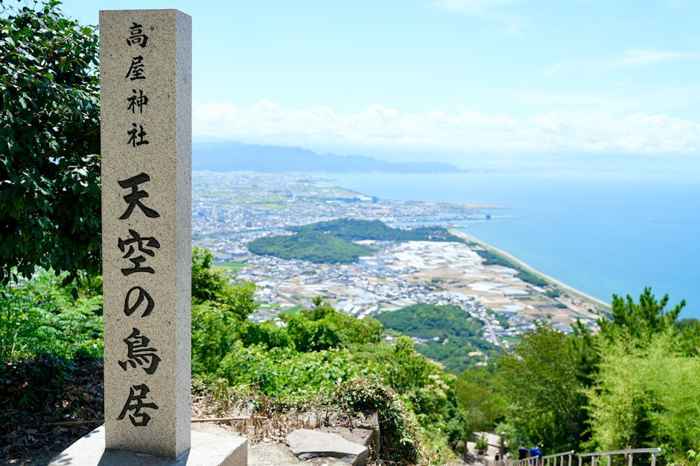
Kechigan is the most significant milestone of the Shikoku pilgrimage — the culmination of a sacred tradition stretching back over 1,200 years. It carries a meaning far deeper than simply finishing 88 temples.
If you complete the pilgrimage without truly understanding Kechigan, that journey risks becoming nothing more than sightseeing.
This article takes a deep dive into what it truly means to reach the end of the 88-temple pilgrimage — and why so many people say their wishes were granted through Kechigan.
- The true meaning of Kechigan and its role in the 88-temple pilgrimage
- The proper steps from Kechigan at Okuboji to the Orei-mairi at Mount Koya
- The evidence behind “wishes coming true” and the 5 spiritual benefits of Kechigan

What Is Kechigan? The Profound Meaning Behind Completing the Shikoku Pilgrimage
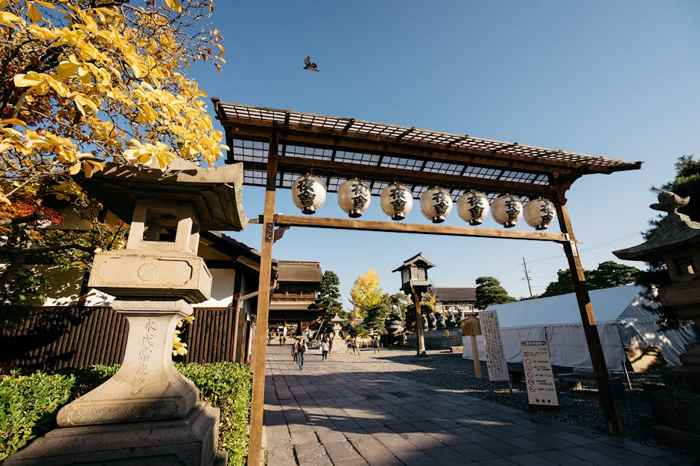
Kechigan (結願) is a Buddhist term referring to the moment a henro (pilgrim) finishes visiting all 88 sacred temples of the Shikoku pilgrimage. The word itself means “to tie together one’s wishes” — and it has been the spiritual goal of this 1,200-year-old tradition.
The roots of Kechigan trace back to the footsteps of Kobo Daishi (Kukai), and the 88th temple, Okuboji, is most commonly where pilgrims reach this milestone.
But Kechigan is not merely a geographical finish line — it is a ritual moment where pilgrims bring their deepest wishes to a close.
The Moment You Finish All 88 Temples Is “Kechigan”
When a pilgrim has visited all 88 temples and received the final stamp at the last temple, the long journey finds its form. That very instant is the moment of Kechigan.
Temple 88, Okuboji (Sanuki City, Kagawa), is known as the “Kechigan-sho” — the place of completion. The temple precincts even have a window where pilgrims can receive their Kechigan certificate, functioning as far more than a geographic endpoint — it is a place to mark a profound shift within.
Kechigan Doesn’t End at One Temple! The Proper Flow from Okuboji to Mount Koya
Many people assume Kechigan is complete at Temple 88, Okuboji — but traditional pilgrimage etiquette does not end there. The full journey includes an Orei-mairi (thanksgiving visit) to Okunoin at Mount Koya, and ideally a return to Temple 1, Ryozenji, to complete the circle.
While many modern pilgrims consider Okuboji the end, those seeking the fullest and most fulfilling Kechigan follow these three steps.
Step 1: Completing Kechigan at Temple 88, Okuboji
Temple 88, Okuboji (Tawa Kanewari, Sanuki City, Kagawa), is the final temple of the Shikoku pilgrimage. Its principal deity is Yakushi Nyorai (the Medicine Buddha), and as the Kechigan-sho, it holds an irreplaceable place in the pilgrimage tradition.
After offering prayers at the main hall and Daishi-do, receiving the final seal in the stamp book marks the official completion of Kechigan. A celebratory atmosphere fills the grounds, and many pilgrims linger here to absorb the moment.
Step 2: The Orei-mairi at Okunoin, Mount Koya
After Kechigan, the traditional next step is to visit Okunoin at Mount Koya (Koyasan) in Wakayama Prefecture, where Kobo Daishi entered eternal meditation. This is a visit of gratitude and farewell — honoring the spirit of Dogyo Ninin (“Walking Together, Two as One”), the belief that Kobo Daishi walks beside every pilgrim.
At Okunoin, pilgrims receive the Mount Koya seal in their stamp book and white robe (byakue), making a final greeting to Kobo Daishi.
The Orei-mairi at Mount Koya is considered an act that “brings Kechigan to its full completion.” It is best thought of as an essential companion to completing the 88 temples at Okuboji.
Step 3: Returning to Temple 1, Ryozenji, to Complete the Circle
Some pilgrims also return to Temple 1, Ryozenji (Naruto City, Tokushima), to report back to the starting point — a practice called “uchi-modori” (return visit). Closing this circle brings the journey to a complete close, both physically and spiritually.
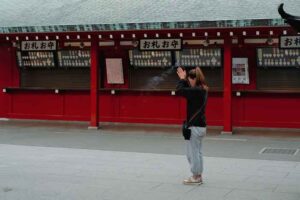
The Spiritual Benefits of Kechigan Are Deeper Than You Think! 5 Life-Changing Gifts
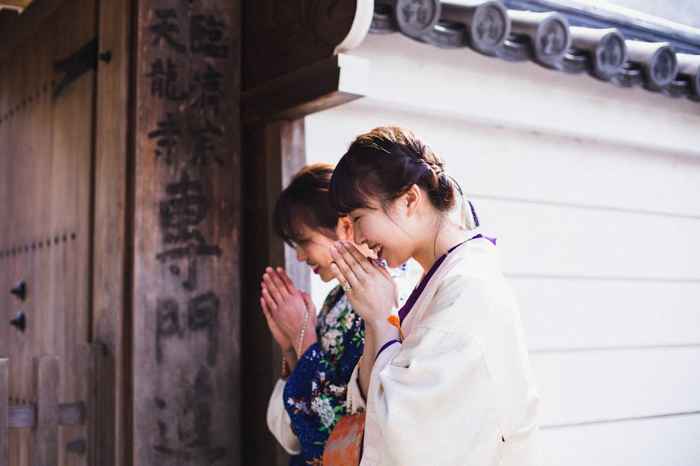
Kechigan carries five major spiritual benefits that have been passed down through generations. These are not merely a sense of achievement — they are deep gifts that can transform one’s life.
The 5 Spiritual Benefits of Kechigan
- Fulfillment of prayers (Kigan-jōju): Your heartfelt wishes are brought to fruition
- Purification of past wrongs (Zaishō-metsuzai): Past mistakes and burdens are cleansed
- Purification of the heart (Kokoro no jōka): 1,200 km of walking brings deep inner reflection
- Deep connection with Kobo Daishi: The bond of Dogyo Ninin is etched into the heart
- A living testimony (Ikita akashi): An irreplaceable life milestone, impossible to replace with anything else
Beyond Answered Prayers — “Purification of the Heart” Is the Greatest Gift
The benefit most commonly spoken of by those who have completed the pilgrimage is “purification of the heart.” Whether walking 1,200 km over 40 days or driving the circuit in a week, stepping away from daily life and spending time in deep self-reflection cleanses something profound within you.
Of course, the joy of having heartfelt prayers answered is real. But beyond that, many Kechigan pilgrims describe gaining a new direction for their lives — a clear sense of “how I want to live from here.” This is why so many look back on the pilgrimage as a true turning point.

Does Kechigan Really Make Wishes Come True? The Truth Behind the Power of Prayer
The question on everyone’s mind: does completing Kechigan actually make wishes come true? The truth is, many people who complete Kechigan with genuine intention and mindfulness do report that their wishes were fulfilled.
However, it’s important to understand what “fulfilled” really means. The essence of wishing (kigan) is not magic — it is the process of aligning your heart through 88 temples and gaining the inner strength to turn wishes into action.
3 Reasons Why Kechigan Is Said to Make Wishes Come True
The first is “crystallization of intent.” Over the long journey through 88 temples, vague wishes gradually become more specific and heartfelt.
The second is “transformation of action.” The time spent in self-reflection and gratitude during the pilgrimage slowly reshapes how you act when you return to daily life.
The third is “walking with Kobo Daishi (Dogyo Ninin).” The faith that you are never walking alone — that Kobo Daishi walks beside you — continues to support the heart long after Kechigan.
The Difference Between Wishes That Come True and Those That Don’t
Wishes most likely to be fulfilled relate to personal growth, family health, and life direction. Wishes least likely to come true are those that seek to control others, or those that are purely material and short-term in nature.
- More likely: Health, family happiness, life direction, personal growth
- Less likely: Greed for money, controlling others, seeking short-term results
Kechigan vs. Mangan — Understanding the Difference and the True Meaning of Orei-mairi
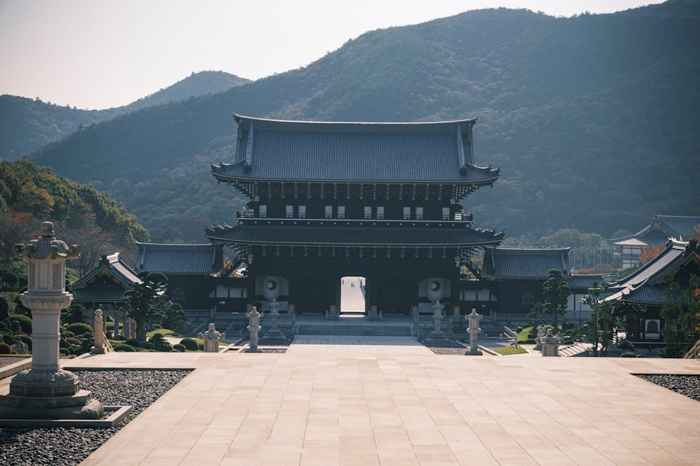
“Kechigan” and “Mangan” may sound similar, but they carry subtly different meanings. To truly understand Shikoku pilgrimage culture, knowing the distinction between these two terms is essential.
Kechigan vs. Mangan — A Clear Comparison
| Aspect | Kechigan (結願) | Mangan (満願) |
|---|---|---|
| Meaning | The goal of having visited all 88 temples | The state of a wish or spiritual practice being fully fulfilled |
| Focus | Physical completion of all 88 temples | The complete fulfillment of one’s prayer or discipline |
| Timing | The moment of receiving the final seal at Temple 88 | After the Orei-mairi at Mount Koya, or when a wish is realized |
| Usage | Primarily used in the context of the Shikoku pilgrimage | Used in broader contexts of prayer and spiritual vows |
Think of Kechigan as “the physical finish line of 88 temples” and Mangan as “the complete fulfillment of the heart’s intent.”
Is the Orei-mairi at Mount Koya Necessary for Kechigan?
Strictly speaking, Kechigan is formally achieved at Temple 88, Okuboji. But the traditional view holds that the Orei-mairi at Mount Koya is needed to achieve Mangan — the full spiritual completion.
In the modern age, time and financial constraints make it difficult for many to travel to Mount Koya. A more flexible interpretation has become common: if you complete all 88 temples with genuine heart, that is Kechigan enough. What matters most is not strict adherence to form, but closing the journey with gratitude and sincerity.
If a visit to Mount Koya isn’t possible, offering heartfelt thanks to Kobo Daishi at Temple 88 is more than sufficient. The heart matters above all — and the modern pilgrimage tradition reflects this with a flexible and compassionate stance.
What Is a Kechigan Certificate? How to Receive Proof of Completing the 88-Temple Pilgrimage
A Kechigan certificate (結願証, kechigan-sho) is an official document proving that a pilgrim has visited all 88 sacred temples — a kind of certificate of completion. Officially recognized by the Shikoku Sacred Sites Association, it is a treasured keepsake available only to those who have completed the full pilgrimage.
It is the lasting proof of having walked the entire journey — something many families cherish as a precious heirloom.
Where Is the Kechigan Certificate Issued? Cost and How to Receive It
The Kechigan certificate is primarily issued at two locations.
- Temple 88, Okuboji: Can be issued on the day of completing Kechigan
- Shikoku Sacred Sites Association (Shikoku Reijōkai): Postal applications also accepted (sent by mail after processing)
The fee is approximately ¥2,000–¥3,000. Your nokyo-cho (stamp book) serves as proof that all 88 temples were visited.
Most pilgrims frame their certificate and display it at home. Some families pass it down through generations as a cherished heirloom, carrying the spirit of the pilgrimage to the next generation.
Looking at it during life’s milestones — a move, a new beginning — can bring back the memory of completing those 88 temples and give you the courage to take on whatever comes next.
Frequently Asked Questions About Kechigan and Completing the Shikoku Pilgrimage
- What is the correct reading of 結願 — “kechigan” or “ketsugano”?
- Does Kechigan have to be completed at Temple 88, Okuboji?
- Does the order of visiting — forward, reverse, or segmented — affect Kechigan?
- Does completing Kechigan really make wishes come true?
- Is the Orei-mairi at Mount Koya after Kechigan mandatory?
Let Us Help Deliver Your Kechigan — One Step Toward Making Your Wishes Come True
Kechigan is the greatest milestone of the Shikoku pilgrimage — a sacred ritual that gives form to your deepest wishes. But not everyone is able to walk 1,200 km across Shikoku on their own.
Elderly family members, those dealing with illness, or people simply too busy with work — there are many people who have wishes they want to fulfill through Kechigan, but cannot make the journey themselves.
Ohenro Gift Bin is an ohenro proxy pilgrimage service that delivers the profound experience and spiritual benefits of Kechigan to those who cannot make the journey. We carry your wishes in our hearts, complete all 88 temples on your behalf, and perform the Kechigan and Orei-mairi at Mount Koya with full sincerity.
Whether it’s a loved one’s health, family happiness, or a meaningful turning point in your life — if there is a wish you want to bring to fruition, please feel free to reach out.
▼ You might also enjoy reading
![[Ohenro]Shikoku Pilgrimage Proxy Service: Costs and How to Choose a Trusted Provider](https://ohenro-gift.com/en/giftohenro369/wp-content/uploads/2026/03/agency_thumb-300x200.jpg)