How Much Does the Ohenro Pilgrimage Cost? Walking, Car & Taxi Budgets Compared for 2026
If that sounds like you, you’re definitely not alone.
The cost of the Ohenro pilgrimage can vary by tens of thousands of yen depending on how you travel, how many days you take, and whether you do it all at once or in stages. That’s exactly why understanding the big picture first is so important.
In this article, we cover:
- The estimated total cost for walking, car, and taxi pilgrimages
- How costs differ between completing the pilgrimage all at once vs. in stages
- A detailed breakdown of temple stamp fees, attire, and accommodation (including the 2024 fee revision)
- Practical ways to keep costs down — and one alternative worth knowing

How Much Does the Ohenro Pilgrimage Cost? Comparing Budgets by Travel Method
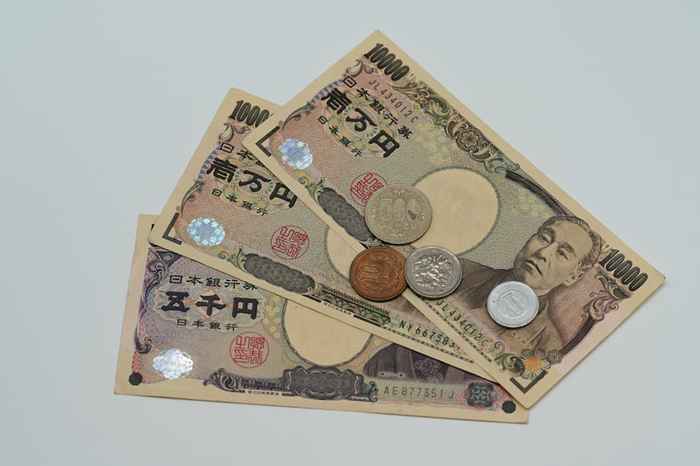
The short answer: Ohenro costs range from about ¥150,000 to over ¥1,000,000 depending on how you travel. Walking runs ¥200,000–¥400,000, car/motorcycle ¥150,000–¥300,000, and taxi pilgrimage ¥500,000–¥1,000,000.
Take a look at the comparison table below first.
| Travel Method | Days Required | Estimated Cost | Best Suited For |
|---|---|---|---|
| Walking | 45–60 days | ~¥200,000–¥400,000 | Those with time and physical fitness |
| Car / Motorcycle | 10–14 days | ~¥150,000–¥300,000 | Those who want to finish quickly |
| Taxi Pilgrimage | 10–14 days | ~¥500,000–¥1,000,000 | Those prioritizing comfort and ease |
| Bus Tour | 12–14 days (can split) | ~¥250,000–¥400,000 | Those wanting a guided, stress-free option |
The same 88-temple journey — and yet the cost difference is enormous. For most people, this is the first real surprise when researching Ohenro.
Let’s break down each option in more detail.
Walking Pilgrimage: Around ¥200,000–¥400,000 — Budget Breakdown for 1,200km
The walking pilgrimage covers roughly 1,200km across the four prefectures of Shikoku — the most traditional form of Ohenro. Average completion time is 45 to 60 days. Even for fit walkers, expect to cover 20–30km per day.
Here’s a typical cost breakdown for a 40-day journey:
- Accommodation: ¥4,000–¥8,000/night × 40 nights = approx. ¥160,000–¥320,000
- Meals: ¥1,500–¥2,500/day × 40 days = approx. ¥60,000–¥100,000
- Temple stamp fees: ¥500 × 88 temples = ¥44,000
- Pilgrim attire (white robe, staff, hat, etc.): approx. ¥30,000
- Miscellaneous (laundry, offerings, incidentals): ¥20,000–¥50,000
The total typically falls in the ¥200,000–¥400,000 range. Staying mainly at henro lodges and guesthouses keeps you toward the lower end; business hotels push toward the top. Mixing in zenkonsyuku (free pilgrim lodges offered by locals) or wild camping can reduce costs further.
Car / Motorcycle Pilgrimage: ¥150,000–¥300,000 — The Most Cost-Effective Option
Driving or riding your own vehicle is widely considered the best value way to complete the Ohenro. It takes 10–14 days — a fraction of walking time — and is the most popular approach among working adults.
Here’s an estimated breakdown for a 12-day motorcycle journey (similar to my own trip):
- Accommodation: ¥6,000–¥10,000/night × 11 nights = approx. ¥66,000–¥110,000
- Fuel: 1,400km ÷ 15km/L × ¥170/L ≈ approx. ¥16,000
- Expressway tolls: approx. ¥10,000–¥20,000
- Meals: ¥2,000/day × 12 days = approx. ¥24,000
- Temple stamp fees: ¥500 × 88 temples = ¥44,000
- Pilgrim attire: approx. ¥20,000–¥30,000
Total lands around ¥150,000–¥300,000. With fewer days on the road, food and accommodation costs are drastically lower than walking.
That said, mountain roads and narrow lanes can be genuinely exhausting — and that’s my honest take from experience. Routes approaching temples like Shozanji and Yokomineji have some particularly narrow stretches that may unsettle drivers who aren’t used to mountain driving.
Taxi Pilgrimage: ¥500,000–¥1,000,000 — The Reality Behind the Comfort
Hiring a dedicated taxi for the pilgrimage — known as taxi henro — is most popular among older pilgrims and those who want to minimize physical strain. No driving required, and some packages even include a guide well-versed in the sacred sites.
The comfort comes at a significant price, however.
- Taxi charter: ¥30,000–¥50,000/day × 11–14 days = approx. ¥330,000–¥700,000
- Accommodation (hotel-grade): ¥10,000–¥15,000/night × 10–13 nights = approx. ¥100,000–¥200,000
- Meals and incidentals: approx. ¥50,000
- Temple stamp fees: ¥500 × 88 temples = ¥44,000
- Pilgrim attire: approx. ¥20,000–¥30,000
Total typically comes to ¥500,000–¥1,000,000. If you travel alone the cost is high, but sharing with up to 4 passengers splits the taxi fare — some couples or siblings bring the per-person cost down to ¥200,000 or less. Group bookings are common for exactly this reason.
If you’re considering a guided bus tour, our Ohenro Tour Comparison Guide covers the differences in detail.
How Do Costs Change Between Complete and Stage Pilgrimages? Choose What Fits Your Life
There are two main approaches to completing the Ohenro: doing it all at once (“通し打ち” — complete pilgrimage) or breaking it into multiple trips (“区切り打ち” — stage pilgrimage). The choice affects your budget more than you might expect.
| Approach | Overview | Cost Tendency | Best For |
|---|---|---|---|
| Complete Pilgrimage | All 88 temples in one go | Lower total (travel efficiency) | Those with a long block of free time |
| Stage Pilgrimage | Split into 4–10 trips | Higher total (return travel adds up) | Working adults, those who prefer a gradual pace |
The Cost of Completing It All at Once
With the complete pilgrimage, you only need to travel to Shikoku once. From Osaka, for example, a round trip runs about ¥10,000–¥20,000. By consolidating your travel, you keep the overall budget tight.
The challenge for working adults is the reality of taking 40+ consecutive days off — for most people, that’s the single biggest obstacle.
The Cost of Stage Pilgrimage
The stage approach typically divides the circuit into four sections — the four “dojos” of Tokushima, Kochi, Ehime, and Kagawa — with each section taking about a week. It’s manageable alongside a regular life, though return travel costs accumulate with each trip.
For example, many pilgrims start with Tokushima (the Awakening Dojo), then return for Kochi (the Training Dojo), and so on — finishing at their own pace, sometimes over several years. The flexibility is the main appeal.
- Return transport to Shikoku: ¥10,000–¥20,000 × 4 trips = approx. ¥40,000–¥80,000
- Accommodation, meals, fuel per round: ¥60,000–¥80,000 × 4 rounds = approx. ¥240,000–¥320,000
- Temple stamp fees (total): ¥44,000
- Pilgrim attire: approx. ¥20,000–¥30,000
Total comes to around ¥350,000–¥500,000 — higher than the complete approach, largely due to repeated return travel. Think of it as paying a little more in exchange for spreading the commitment over time.
For a detailed look at how days compare across methods, see our How Long Does the Ohenro Take? guide.
Fixed Costs Every Pilgrim Faces: Temple Stamps, Attire & Accommodation Explained

Regardless of how you travel, some costs are unavoidable on the Ohenro. Here’s a closer look at the three essentials.
Temple Stamp Fees (Revised April 2024) — ¥44,000 Total
The temple stamp fee (nokyoryo) is what you pay at each temple to receive the calligraphy and red seal in your stamp book. The fees were revised on April 1, 2024, and now stand as follows:
| Item | Per Temple | All 88 Temples |
|---|---|---|
| Stamp book & portrait (nōkyōchō / okageburi) | ¥500 | ¥44,000 |
| Hanging scroll | ¥700 | ¥61,600 |
| White robe (oizuru) | ¥300 | ¥26,400 |
| Repeat stamp (2nd circuit onward) | ¥300 | ¥26,400 |
The fee for the stamp book rose from ¥300 to ¥500 — an increase of roughly 67% from before the revision. Many older blog posts and guidebooks still show the old price, so always check you’re working from the 2024 figure.
Temple stamp fee revision effective April 1, 2024: stamp book ¥500, hanging scroll ¥700, white robe ¥300, repeat stamp ¥300.
Shikoku Pilgrimage Association (official site)
Pilgrim Attire — Around ¥30,000 for the Full Set
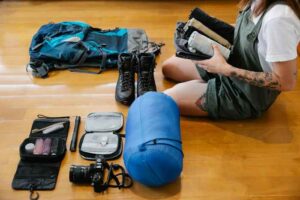
A complete set of Ohenro attire includes:
- White robe (oizuru): ¥2,000–¥4,000
- Pilgrim staff (kongōzue): ¥2,000–¥3,000
- Sedge hat (sugegasa): ¥3,000–¥5,000
- Surplice (wagesa): ¥2,000–¥3,000
- Prayer beads (juzu): ¥1,500–¥3,000
- Sutra book & dedication slips (kyōhon / satsu): ¥1,000–¥2,000
- Stamp book (nōkyōchō): ¥2,500–¥5,000
- Pilgrim bag (zudabukuro): ¥2,000–¥3,000
A full set typically costs ¥25,000–¥30,000. For car pilgrimages or short stage trips, some pilgrims begin with just a white robe and stamp book.
Accommodation & Meals — Budget ¥6,000–¥12,000 Per Day
Accommodation breaks down into four main types:
- Pilgrim lodges / guesthouses: ¥4,000–¥5,500 (usually includes 2 meals)
- Business hotels: ¥6,000–¥9,000 (usually includes breakfast)
- Temple lodgings (shukubō): ¥7,000–¥10,000 (usually includes 2 meals)
- Zenkonsyuku (free lodges) / wild camping: free to ¥1,000
For meals, budget around ¥1,500–¥2,500 per day. Pilgrim lodges and temple lodgings typically include dinner and breakfast, so you mainly need to account for lunch separately.
Frequently Asked Questions About Ohenro Costs — Common Budget Questions Answered
- What’s the cheapest way to complete the Ohenro?
- Can the Ohenro be done for under ¥300,000?
- Why were the temple stamp fees revised in 2024?
- Is a stage pilgrimage more expensive than completing it all at once?
Summing Up Ohenro Costs — Choosing Wisely and Exploring Every Option
To bring it all together, Ohenro costs vary significantly depending on your method and schedule.
- Walking pilgrimage: approx. ¥200,000–¥400,000 (45–60 days)
- Car / motorcycle: approx. ¥150,000–¥300,000 (10–14 days)
- Taxi pilgrimage: approx. ¥500,000–¥1,000,000 (10–14 days)
- Stage pilgrimage tends to cost more overall due to repeat travel
- Temple stamp fees revised in 2024: ¥44,000 for 88 temples
If you looked at those numbers and felt the barrier was high — that’s a completely understandable reaction. The Ohenro asks for all three things at once: time, physical endurance, and money. When even one of those is hard to come by, the whole plan can start to feel out of reach.
One of the most common things we hear is: “I want to give my elderly parent the experience of the Ohenro, but they can no longer manage it physically.” And for many working adults, taking a month off to accompany them simply isn’t an option either.
That “neither of us can do it” feeling is exactly what so many families come to us with.
The cost is a little higher than going alone, since a dedicated staff member walks the full route on your behalf. But what you receive — a real stamp book, photographs from each of the 88 temples, and the full walking record — is something that stays with a family for years.
Questions about pricing, what the service includes, or whether it’s appropriate from a religious standpoint — ask us anything. A consultation is always free, with no obligation to proceed.
![[Ohenro]Shikoku Pilgrimage Proxy Service: Costs and How to Choose a Trusted Provider](https://ohenro-gift.com/en/giftohenro369/wp-content/uploads/2026/03/agency_thumb-300x200.jpg)
▼ You might also like
- Ohenro Tour Compared: Bus Tour, Proxy Pilgrimage & Walking — Which Is Right for You?
- How Long Does the Ohenro Take? Days & Duration by Travel Method, Explained