
[Full Comparison] Ohenro Tour Options Explained — Bus Tour, Proxy Service, or Walking: How to Choose
That confusion is completely understandable.
Search “ohenro tour” and you’ll find bus tours from travel agencies, walking pilgrimages, and proxy services all mixed together. Working out what’s different about each — and which is right for you or someone you care about — takes real effort.
And if you choose wrong, you can end up spending both time and money only to find it wasn’t what you expected. That’s why getting the choice right from the start matters.
This article covers:
- The key differences between the three main ways to complete the Ohenro
- The benefits and drawbacks of bus tours, walking, and proxy services
- A comparison of major bus tour companies: Club Tourism, Hankyu Travel, and JTB
- A full side-by-side comparison of all three methods by cost, days, and what you receive
- Answers to common questions like day trips and how much it costs
- How to think about which option fits you or your loved one

Three Ohenro Tour Options Explained — Bus Tour, Self-Guided, or Proxy Service
There are three main ways to complete the Shikoku 88-Temple Pilgrimage (Ohenro).
- Bus tour: Join a travel agency’s organized tour and visit the temples by bus
- Self-guided (walking or driving): Plan your own itinerary and travel through Shikoku independently
- Proxy service: A dedicated proxy pilgrim walks the full route on your behalf and delivers the records — stamp book, photos, and more — to you
These three options differ completely in cost, duration, and most importantly, the purpose they serve. They may look similar on the surface, but choosing without a clear purpose can lead you to the wrong path.
Which Option Is Right for Whom
Each approach suits a different type of person.
A bus tour suits people who want to visit the temples themselves and experience the journey with some travel comfort. The agency handles all scheduling and accommodation — no individual planning required.
Walking is the path for those who want to experience the pilgrimage in its most authentic form, on their own two feet. It demands both the time and the stamina to walk 1,200 km — and offers a depth of experience only that kind of commitment can bring.
A proxy service is for those who can’t make the journey themselves but want to fulfill a prayer — their own or a loved one’s. It’s often chosen as a gift for aging parents, or to realize a dream that someone can no longer pursue in person.
This Isn’t About Which Is “Best” — It’s About Purpose
When comparing ohenro tour options, most people start by looking for the best deal. But before comparing, there’s one question worth asking first.
If the goal is personal experience, bus tours or walking are the natural fit. If the goal is delivering a prayer on someone else’s behalf, a proxy service is the answer. Once that axis is set, the choice becomes much simpler.

Ohenro Bus Tour Benefits and Drawbacks — Can You Really Complete All 88 Temples by Bus?
An ohenro bus tour means joining a travel agency’s organized tour and visiting the 88 temples by bus. Most tours are structured as a “split pilgrimage” (Kiziuchi) — completing the route across multiple trips over time.
It’s a strong option for first-timers or those who feel uneasy about solo travel.
The Core Appeal: Convenience and Peace of Mind
The biggest advantage of a bus tour is that all travel planning and accommodation is handled for you — you just show up and the pilgrimage experience begins.
- Itinerary, transport, and accommodation are all included — no individual arrangement needed
- A certified Sendatsu (experienced guide) accompanies the group and teaches temple etiquette and rituals
- Natural opportunities to connect with fellow pilgrims who share your purpose
- Group travel means you’re never alone — ideal if solo travel feels daunting
Traveling with others also means you may notice aspects of each temple you’d have missed on your own.
What to Know Before Booking: Total Cost and Time Commitment
There are some important realities about bus tours that are worth knowing before you commit.
- Completing all 88 temples requires 5–8 or more separate tours (costs add up)
- Travel is primarily by bus — you won’t be walking much of the route
- To keep things efficient, temples are often visited grouped by area rather than in numbered order
- Fixed schedules mean limited flexibility to move at your own pace
- Some physical ability is still required (temple steps, uneven ground)
- Multiple trips across several years means ongoing schedule coordination
The most important thing to understand is that completing all 88 temples takes years, not months. Each tour typically covers 10–20 temples, and full-circuit single-trip tours are rare.
A Real Account from a Bus Tour Participant
I once met a woman in her 60s in Shikoku who had been on a split-format bus tour — five times over three years. She was already working out the dates for her next trip and told me she was “still only about halfway.” A bus tour is not something you complete in one go — understanding that upfront helps set realistic expectations.
Top Ohenro Bus Tour Companies Compared — Club Tourism, Hankyu, and JTB
Several major travel agencies offer ohenro bus tours. Here’s a summary of the three most well-known options.
| Factor | Club Tourism | Hankyu Travel (Trapics) |
JTB |
|---|---|---|---|
| Tour Name | Shikoku 88 Temples Ohenro Tour 2026 | Shikoku 88 Temples Pilgrimage (12-trip series / 2-trip / full circuit) |
JTB Tabimono-gatari Shikoku 88-Temple Pilgrimage (Jumbo taxi / Bus) |
| Price estimate (per person) |
Request brochure (varies by full circuit / split) |
Day trip from ¥8,990 Full 9-day circuit ¥310,000–330,000 Full 10-day circuit ¥450,000–490,000 |
Split tour from approx. ¥40,000/trip Full 9-day circuit available (varies by date) |
| Duration / trips to complete | Full circuit 14 days / 2 trips (7–8 days each) 3 trips (5 days each) / 6 trips (2–3 days each) |
Full circuit 9–10 days / 2-trip split / 12-trip series (mainly day trips) |
2-trip full circuit / 4–5 trip split / 9-day full circuit and others |
| Departure cities | Kanto, Tokai, Kansai, Chugoku/Shikoku, Kyushu |
Kansai, Kanto, Tokai, Hokkaido, Kyushu and more nationwide |
Tokyo metro area, Chubu, Kyushu and other regional departures |
| Guide included | Tour escort + certified Sendatsu | Certified Sendatsu or Buddhist monk; escort handles stamp book on some tours |
Tour escort included; Sendatsu on select tours |
| Highlights | Special access experiences; complimentary staff and sutra book for new participants; temple lodging (Shukubo) options |
Jumbo taxi to temple gates; Ohenro starter kit included; original Omikage (sacred image) gift |
Reliable logistics and accommodation from a major agency; easy day-trip entry points via regional Tabimono-gatari series |
※ Prices, schedules, and perks reflect research as of April 2026. Always verify the latest details on each company’s official website.
※ JTB does not operate a dedicated Ohenro brand — their offerings are primarily regional tours in the Tabimono-gatari series.
Club Tourism — Wide Range of Dedicated Plans, Great for First-Timers
Club Tourism offers some of the most comprehensive dedicated ohenro tour programs. Options range from beginner-friendly introductions to plans that closely mirror a full circuit. The range of choices is one of its biggest strengths.
Sendatsu-accompanied plans are widely available, letting you learn the rituals and chanting as you go. Themed tours (reverse-order pilgrimage, special prayer ceremonies, etc.) also attract repeat pilgrims.
Hankyu Travel — The Kansai Standard, Reliable and Well-Organized
Hankyu Travel is one of the most established ohenro bus tour operators for travelers departing from the Kansai region (Osaka/Kyoto area). Their split-format tours covering all 88 temples across around 10 trips are popular, and some plans feature the same escort accompanying the group throughout the entire series.
For those based in Kansai, the convenient departure locations are an added draw.
JTB — National Reach and End-to-End Service Quality
JTB, Japan’s largest travel agency, brings its full logistics strength to Ohenro tours as well. Accommodation quality, escort responsiveness, and support in unexpected situations are consistently strong reasons customers choose them.
With departure cities spread across Japan, JTB is particularly accessible for those based outside Kansai — including Tokyo and Nagoya.
How to Choose a Bus Tour Company
When narrowing down the options, these three factors are the most useful decision points.
- Departure city: Does the tour depart from somewhere you can easily reach?
- Sendatsu availability: If you’re new to the Ohenro, a Sendatsu-accompanied plan offers the most reassurance
- Split format: Does the number of trips and spacing between them fit your schedule?
Across all companies, Ohenro attire (white vest, sedge hat, pilgrim’s staff) is typically required — available for rental or purchase — so check what’s included when booking.
The Reality of Walking the Ohenro — What You Only Find When You Walk 1,200 km
Among self-guided approaches, the most traditional is walking the Ohenro. It means traveling through all four Shikoku prefectures — Tokushima, Kochi, Ehime, and Kagawa — on foot, covering roughly 1,200 km.
A full circuit (Toshiuchi — all 88 temples in one continuous journey) takes approximately 45–60 days. That’s walking 20–30 km every day, through rain and summer heat alike.
What Only Walking Can Give You
The deepest value of walking the Ohenro is the experience itself — each step earned with your own body, on your own terms. The landscape you see from a bus window and the landscape you absorb on foot are entirely different things.
Along the way, walking pilgrims encounter the “Osettai” tradition — a uniquely Shikoku custom in which local residents offer food, drinks, and sometimes even lodging to pilgrims, completely free of charge. In a world where exchange is usually transactional, this culture of pure giving moves many people deeply.
Expected Cost: ¥300,000–500,000
Here’s a breakdown of what walking the Ohenro typically costs.
- Accommodation (45–60 nights): ¥200,000–300,000
- Food: ¥100,000–150,000
- Stamp fees (88 temples × ¥300–500): ¥30,000–50,000
- Ohenro attire (white vest, staff, sedge hat, etc.): ¥10,000–20,000
- Transport to/from Shikoku (round trip): several tens of thousands of yen
Total estimated cost: approximately ¥300,000–500,000. Staying at volunteer guesthouses (Zenkon-yado) reduces costs, but most people do pay for proper lodging.
When Walking Isn’t Realistic
Walking the Ohenro has genuine barriers.
- Cannot take 45–60 or more consecutive days off work
- Physical condition doesn’t allow 1,200 km on foot (age, illness, injury)
- Cannot leave home for extended periods due to family caregiving or childcare
- Under medical advice not to engage in long-distance walking
For most working adults, securing 45–60 days off in one stretch is simply not realistic. Some plan to attempt it after retirement — but by then, the physical demands may have grown more challenging.
What Is an Ohenro Proxy Service? Sending Prayers When You Can’t Make the Journey
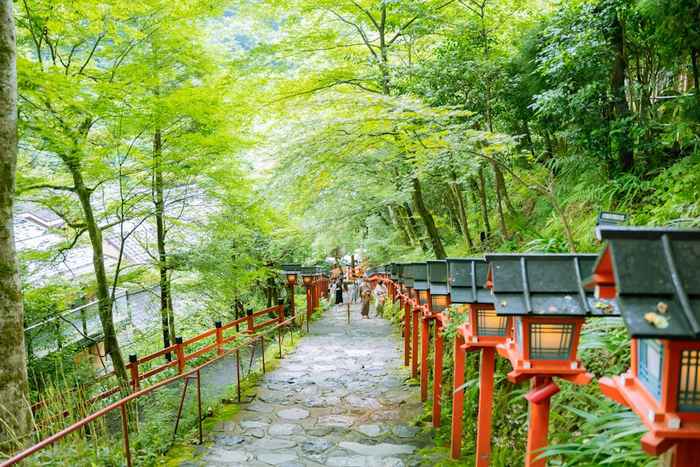
An Ohenro proxy service service means a professional proxy pilgrim walks all 88 temples on behalf of the person who requested it — then delivers the records (stamp book, photos, video, and more) to that person.
Bus tours and walking are ways to experience the pilgrimage yourself. A proxy service is something different: a way to send a prayer or fulfill a wish on behalf of someone who cannot make the journey. The purpose is fundamentally different.
What You Receive from a Proxy Service
With Ohenro Gift Bin, once the pilgrimage is complete, you receive:
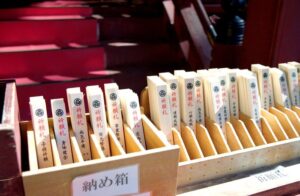
- A completed Nokyo-cho (stamp book) — genuine calligraphy and seals received in person at all 88 temples
- Real-time video documentation of the journey (you can confirm the proxy is genuinely walking)
- Movement records via GPS tracking
- Local souvenirs from Shikoku
- A pilgrimage report
To address the natural concern of “are they really walking?” — video and GPS records document the entire journey. This transparency is the primary reason many people feel comfortable placing a request.
The Proxy Service Draws on a 1,000-Year Tradition
Some people wonder whether using a proxy service is somehow disrespectful. But “Daisan” — the practice of sending a proxy to pray on your behalf — is a tradition with deep roots in Japanese faith.
Sending someone’s prayer through another person is not new — it is, in fact, deeply rooted in the very nature of Japanese faith traditions.
Who Chooses a Proxy Service
At Ohenro Gift Bin, we receive requests from many different situations:
- Adult children who want to fulfill an aging parent’s lifelong wish to complete the Ohenro
- Family members wanting to send prayers from Shikoku’s sacred sites to a loved one facing illness
- Families of those who have passed, wanting to realize a loved one’s unfulfilled dream
- People who cannot go themselves due to work, childcare, or caregiving — but want to send a prayer in a meaningful form
Increasingly, proxy pilgrimages are chosen as gifts for Mother’s Day, milestone birthdays, or as an act of filial devotion. It’s a shift from giving an object to giving a prayer and its recorded journey.

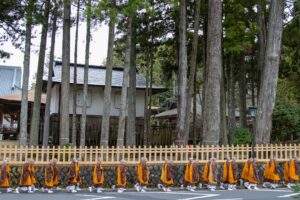

Full Comparison — Ohenro Tour by Cost, Days, and What You Take Home
Here’s a side-by-side comparison of all three methods across five key dimensions.
| Bus Tour | Walking (Self-Guided) | Proxy Service | |
|---|---|---|---|
| Estimated cost | ¥500,000–1,000,000 total (multiple trips) | ¥300,000–500,000 | ¥700,000–2,980,000 (plan dependent) |
| Days required | Years (split pilgrimage across multiple trips) | 45–60 days (full circuit) | You just place the request (no personal days required) |
| Physical requirements | Moderate fitness for repeated participation | Significant physical stamina required | None |
| What you receive | Memories, photos, stamp book | Memories, authentic stamp book | Authentic stamp book, video record, souvenirs |
| Best for | Those who want to visit the temples themselves | Those who want the full, immersive pilgrimage experience | Those sending prayers on behalf of someone who cannot go |
On Cost: Bus Tours Are More Expensive Than They Look
Bus tours can appear affordable at first glance. But since completing all 88 temples requires 5–8 or more separate trips, the total adds up significantly.
On Time: The Proxy Service’s Biggest Advantage Is Zero Personal Days
When it comes to time, the proxy service’s defining strength is that it requires no personal days at all.
Bus tours span years; walking takes one and a half to two months. For anyone with significant time constraints from work or caregiving, this difference is substantial.
On What Remains: The Stamp Book Is Common to All — But the Record Differs
In all three approaches, a Nokyo-cho (stamp book) ends up in your hands. The difference lies in the record that comes with it.
With a proxy service, you also receive video documentation, GPS records, and a pilgrimage report — a third-person account of the full journey carried out in your name. This holds particular meaning when it’s being given as a gift to someone else.
Frequently Asked Questions About Ohenro Tours — Day Trips, Costs, and More

- Are there day-trip ohenro bus tours available?
- How much does a single ohenro bus tour typically cost?
- What is the key difference between a bus tour and a proxy service?
- My elderly parent wants to do the Ohenro, but a bus tour seems too demanding. What are my options?
- Can I join an ohenro bus tour alone?
- Is using a proxy service religiously acceptable?
Finding the Right Ohenro Tour for You and Your Loved Ones
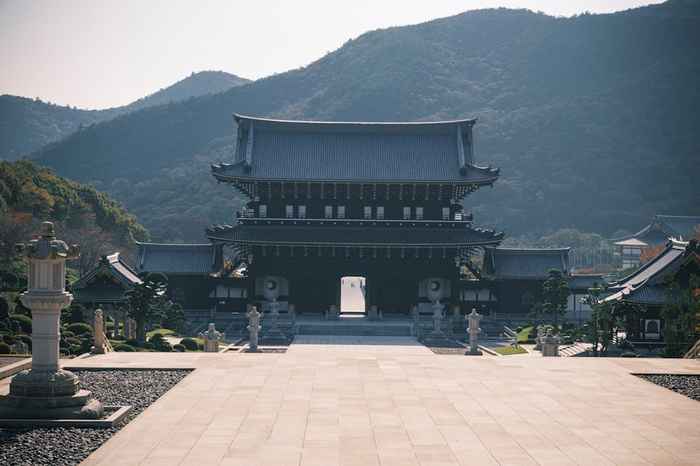
Bus tour, walking pilgrimage, proxy service — none of these is universally the right answer.
If you want to experience Shikoku for yourself, a bus tour or walking pilgrimage will take you there. Given the time and physical commitment, each path offers something genuinely its own.
But if you want to fulfill an aging parent’s wish, or send a prayer on behalf of someone who can no longer make the journey, Ohenro Gift Bin offers another path worth knowing about.
You’re welcome to get in touch via LINE with any questions at all. Free answers to common questions are available, so feel free to send a message whenever something comes to mind.
![[Ohenro]Shikoku Pilgrimage Proxy Service: Costs and How to Choose a Trusted Provider](https://ohenro-gift.com/en/giftohenro369/wp-content/uploads/2026/03/agency_thumb-300x200.jpg)
▼ Further Reading
- Complete Guide to Ohenro Proxy Services — Pricing, Process, and How to Choose a Trustworthy Provider
- What Is the Ohenro? Meaning, Purpose, and History Explained