
[Complete Guide] How Many Days Does the Ohenro Take? Duration by Transport (Full Circuit vs. Split)
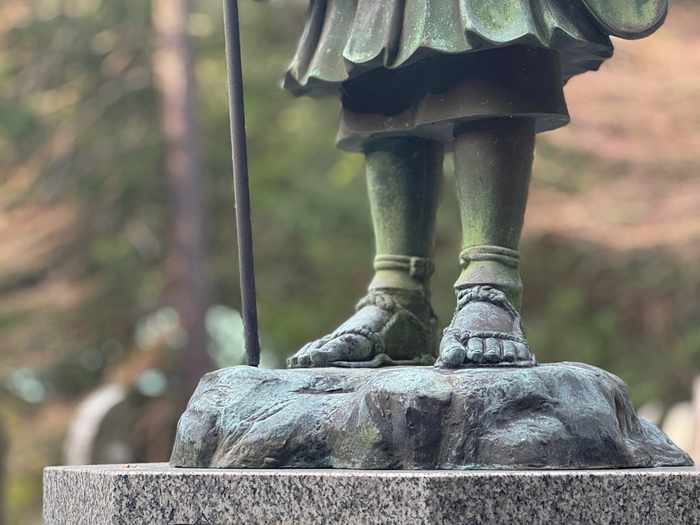
That’s a completely natural question to have.
The Ohenro is a 1,200-year-old pilgrimage trail in Shikoku, Japan. The full route covers approximately 1,200 km across 88 sacred temples — but how many days it takes depends entirely on how you choose to do it.
Walking the full circuit takes over 40 days. By car, it can be done in around 10 days. Some people split it over several years. If you’re stuck wondering “how many days do I actually need?” without a clear answer, you’re not alone.
This article covers:
- An overview of how many days the Ohenro takes (full circuit vs. split pilgrimage)
- Duration by transportation method (walking, car, taxi, bus tour)
- Realistic planning for people with jobs and family commitments
- An alternative for those who simply cannot take time off

How Many Days Ohenro Takes Depends on How You Travel — Full Circuit vs. Split Pilgrimage Explained
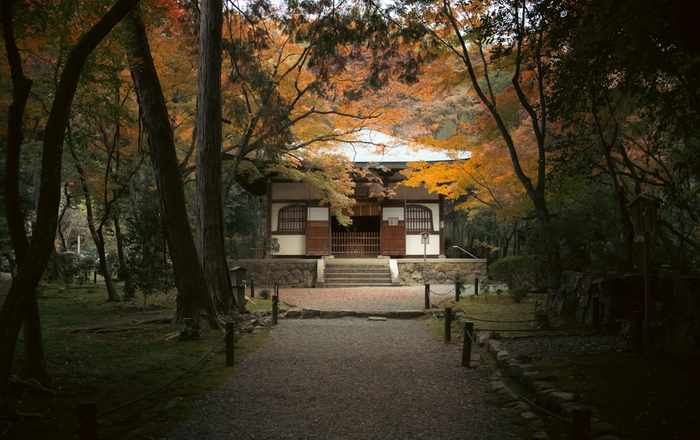
The Ohenro pilgrimage (formally known as the Shikoku Pilgrimage) visits 88 sacred temples across four prefectures — Tokushima, Kochi, Ehime, and Kagawa. The route was established by Kobo Daishi (Kukai) in the 9th century and stretches approximately 1,200 km in total.
How many days it takes comes down to two key factors: how you complete it (full circuit or split) and how you travel (on foot, by car, taxi, or bus tour). Let’s break down both.
Full Circuit vs. Split Pilgrimage: What’s the Difference?
There are two main approaches to completing the Ohenro, each with a very different time commitment.
- Full circuit (Toshiuchi): Completing all 88 temples in one continuous journey without returning home
- Split pilgrimage (Kiziuchi): Completing the route in multiple trips — by prefecture, by weekend, or whenever you have time
- Forward order (Juniuchi): Starting at Temple 1 and proceeding to Temple 88 (the standard approach)
- Reverse order (Sakauichi): Starting at Temple 88 and traveling backward — said to bring special blessings in leap years
A full circuit requires a long block of consecutive time off and significant physical stamina. A split pilgrimage, on the other hand, can be completed while working or raising a family — one trip at a time.
Transportation Can Change the Duration by 10x
Even though the total distance is the same 1,200 km, the number of days varies dramatically depending on how you travel.
| Transportation | Estimated Days (Full Circuit) | Best Suited For |
|---|---|---|
| Walking | Approx. 40–60 days | Those with time and stamina who want the full immersive experience |
| Private car | Approx. 9–12 days | Those who want to go at their own pace without physical strain |
| Charter taxi (incl. minibus) | Approx. 8–11 days | Those who prefer not to drive and want a smooth, guided experience |
| Bus tour (full circuit) | Approx. 9–11 days | First-timers who want professional guidance along the way |
| Bus tour (split) | 3–6 trips × 2–3 days each / 6–18 days total | Those who can’t take extended time off |
Walking takes over a month; by car, it’s about 10 days. There’s a 4 to 6-fold difference in duration — yet both lead to the same destination: all 88 temples.
In the sections ahead, we’ll go deeper into how long each method actually takes — and how to figure out which one works for you.
How Many Days for a Full Circuit? 40 Days on Foot or 10 Days by Car — The Reality
This section looks at the specific durations for each transportation method when doing a full circuit (Toshiuchi). Read through and imagine which option feels closest to your situation.
Walking: 40–60 Days Is the Real Range
Walking the full 88-temple circuit takes approximately 45–55 days for most pilgrims. Faster walkers finish in the low 40s; those taking a more relaxed pace may take up to 60 days.
The average daily distance is daily distance is around 20–30 km. Hilly terrain, mountain paths, and the location of temples relative to guesthouses mean some days might end at 15 km while others stretch past 35 km.
By Car: Complete It in Around 10 Days
Driving your own car cuts the journey to just 9–12 days. The typical pace is 7–10 temples per day, starting early in the morning and continuing through the afternoon.
The great advantage of driving is flexibility — you can linger at temples that feel meaningful and move quickly through others. You’re on your own schedule.
Charter Taxi: The Most Relaxed Full Circuit in 8–11 Days
Chartering a jumbo taxi or minibus for the full circuit typically takes 8–11 days. Drivers are often licensed Sendatsu (certified Ohenro guides), making it a reassuring option for first-time pilgrims.
The cost is higher than driving yourself, but the key benefit is that driving, route planning, parking, and temple etiquette are all handled for you.
Comparing All Three Full Circuit Options
Here’s how the three main full circuit methods compare across duration, effort, and cost.
| Factor | Walking | Private Car | Charter Taxi |
|---|---|---|---|
| Duration | 40–60 days | 9–12 days | 8–11 days |
| Daily hours | 5:00 AM – 5:00 PM | 7:00 AM – 5:00 PM | 8:00 AM – 4:00 PM |
| Physical strain | Very high | Moderate (driving fatigue) | Low |
| Estimated total cost | ¥300,000–500,000 (lodging & meals) |
¥150,000–250,000 (fuel & lodging) |
¥600,000–900,000 (charter fee incl.) |
| Best for | Those who want to walk every step | Those who want freedom and flexibility | Those who want a comfortable, guided completion |
Walking appears most affordable on paper — but with 45–60 days of accommodation and meals, costs easily reach ¥300,000 or more. It’s not as economical as it might seem.
That’s why many people who aspire to walk still end up choosing a car or taxi when it comes down to it — and that’s a perfectly reasonable choice.
How Many Years Does a Split Pilgrimage Take? Planning Tips and How to Actually Finish
For those who can’t manage a full circuit, the split pilgrimage (Kiziuchi) is the practical path. This section covers the different ways to divide the journey, how long each approach typically takes, and how to actually make it to the finish.
Three Main Approaches to a Split Pilgrimage
Split pilgrimages fall into three broad patterns, each with a different timeline to completion.
- Prefecture by prefecture (Ikkoku-mairi): Dividing the route into four sections by prefecture — completing in four separate trips
- Custom split: Dividing into 2, 3, 6, or more trips at whatever pace suits you
- Weekend pilgrim style: Visiting a handful of temples each weekend — completion in 1–3 years
The approach you choose affects both the total days required and how many years it takes to reach completion (Kechigan).
Estimated Schedule by Number of Splits
Here’s a breakdown of common split formats. Many bus tour and taxi tour operators offer packages aligned with these patterns.
| Split Format | Days Per Trip | Total Days | Est. Time to Completion |
|---|---|---|---|
| 4-trip split (by prefecture) | 2–3 days | 8–12 days | Approx. 1 year (one trip per season) |
| 6-trip split | 2–3 days | 12–18 days | Approx. 1–2 years |
| 10-trip split | 1–2 days | 10–20 days | Approx. 1–2 years |
| 12-trip split (bus tour style) | Day trip – 1 night/2 days | 12–24 days | Approx. 1 year (monthly) |
| Weekend accumulation style | 1–2 days | 30–50 days | 2–3 years |
An important point: even in a split pilgrimage, the total number of days is not that different from doing a full circuit. By any method other than walking, most people complete it in around 10–20 days total.
How to Stick With a Split Pilgrimage and Actually Finish
The most common reason people don’t finish a split pilgrimage is simply that “life gets in the way.” Those who do complete it tend to share certain habits.
- Schedule the next trip before leaving the current one (block it on your calendar up to 3 months ahead)
- Book a series with the same bus tour company to lock in dates automatically
- Find a travel partner — mutual accountability makes a real difference
- Stay flexible about order — go where you can, not strictly in sequence
“Booking the next trip while you’re still on this one” is probably the single most effective habit. Without a fixed next date, everyday life will quietly push the pilgrimage aside — that’s the hidden danger of a split pilgrimage.
The Season You Choose Affects Your Completion Rate
For a long-term split pilgrimage, when you go matters as much as how often. Shikoku’s climate varies significantly by region and season, and the right timing can make the difference between a great trip and a grueling one.
| Season | Climate | Best Sections | Recommended |
|---|---|---|---|
| Spring (Mar–May) | Cherry blossoms, mild temperatures | All prefectures comfortable | ★★★★★ |
| Summer (Jun–Aug) | Rainy season + intense heat, heatstroke risk | Early morning/evening only | ★★ |
| Autumn (Sep–Nov) | Cool, clear weather, fall foliage | Ideal across all sections | ★★★★★ |
| Winter (Dec–Feb) | Snow and ice in mountain areas | Tokushima and Kochi flatlands only | ★★★ |
Walking pilgrims especially tend to concentrate in spring and autumn. Summer walking carries serious heatstroke risk, and winter mountain trails can be icy and dangerous. Choosing the right season significantly improves your chances of completing the pilgrimage.
Among those who’ve contacted us, one story stands out: a mother who spent 8 years completing the Ohenro — a little at a time, spring and autumn — finally receiving her Kechigan (completion). A split pilgrimage is a pilgrimage measured in life’s longer rhythms.
Ohenro Days by Transportation — Walking, Car, Taxi, and Bus Tour Compared
This is the heart of the article. The answer to “how many days does the Ohenro take” comes down to how you travel. Here’s an honest side-by-side comparison of all four methods.
All Four Methods Compared Across Key Factors
Beyond just days, here are the factors that actually matter when choosing how to do the Ohenro.
| Factor | Walking | Private Car | Charter Taxi | Bus Tour |
|---|---|---|---|---|
| Full circuit days | 40–60 days | 9–12 days | 8–11 days | 9–11 days |
| Split option | Difficult (hard to maintain stamina) |
Yes (very flexible) | Yes (reservation required) | 3–12 trip packages available |
| Total estimated cost | ¥300,000–500,000 | ¥150,000–250,000 | ¥600,000–900,000 | ¥200,000–400,000 |
| Physical strain | ★★★★★ | ★★★ | ★★ | ★★ |
| Flexibility | ★★★★★ | ★★★★★ | ★★★★ | ★★ |
| Beginner-friendliness | ★ | ★★ | ★★★★ | ★★★★★ |
| Guide included | None | None | Usually yes | Yes (standard) |
In simple terms: if minimizing days and staying safe are your priorities, a bus tour or charter taxi makes the most sense. For a balance of freedom and cost, a private car wins. If you want a total mind-and-body pilgrimage experience, walking is in a class of its own.
Bus Tours Are the Best Option for Minimizing Days
For those who want to use as few days as possible, bus tours are the most practical fit. Split-format bus tours offer day trips or 1-night/2-day packages once a month, making it easy to fit into regular life without disrupting your schedule.
For a detailed comparison of leading bus tour companies (Club Tourism, Hankyu Travel, JTB), see the guide below.
Private Car Is the Best Value Option
For families or couples who don’t mind driving, a private car offers the best balance of cost and freedom. You can realistically complete the full circuit in around 10 days for approximately ¥200,000 in total costs.
Keep in mind that mountain roads and limited parking at some temples do require confident driving. You’ll need time, physical stamina, and driving ability.
Walking Requires 40+ Consecutive Days — Plan Accordingly
For those seriously considering a walking circuit, the first question is whether you can secure 40 or more consecutive days off. Most walking pilgrims are retirees, people between jobs, or those on extended leave. It’s rarely something you can work into a standard schedule.
Beyond time, there’s the preparation: three months of physical conditioning (walking 10+ km daily), gear selection selection, researching guesthouses, and more. The preparation alone is a significant undertaking.
Which Method Fits You? A Quick Checklist
If you’re still unsure, use this checklist to find the option that best fits your situation.
| Your Situation | Recommended Method | Est. Days Required |
|---|---|---|
| Can take 40+ consecutive days off / physically fit | Walking (full circuit) | 40–60 days |
| Retired with free time / comfortable driving | Private car (full circuit) | 9–12 days |
| 60s or older / don’t want to drive | Charter taxi (full circuit) | 8–11 days |
| First-timer / worried about temple etiquette / prefer company | Bus tour (full circuit) | 9–11 days |
| Employed / can’t take long holidays | Bus tour split (monthly) | 12–24 days total |
| Can only manage weekends | Day-trip bus tour split | 20–40 days total |
| Almost no personal time / want to send prayers on someone’s behalf | Ohenro proxy service | 0 days for requester |
There’s no single right answer. What matters most is balancing your available time, physical condition, and budget — and choosing the path you can actually follow through on.

How Many Days Can Working People Realistically Take for the Ohenro?

At this point, you’re probably wondering: “OK, but how many days can I actually take?” This section is about building a realistic plan for completing the Ohenro while holding down a job.
Average Paid Leave in Japan: About 11 Days Per Year
According to Japan’s Ministry of Health, Labour and Welfare, the average number of paid leave days taken by workers in 2023 was 11.0 days. Combined with weekends and public holidays, here’s what that looks like in practice.
| Type of Time Off | Consecutive Days | Realistic Pilgrimage Option |
|---|---|---|
| Weekend only (2 days) | 2 days | Day-trip split (5–10 temples) |
| Weekend + 1 paid day (3-day weekend) | 3 days | Complete one prefecture (Ikkoku-mairi) |
| Weekend + 2 paid days | 4 days | Two 1-night/2-day blocks covering 10–15 temples |
| Golden Week / Obon / Year-end holidays | 5–9 days | Two prefectures (half the circuit) at once |
| Full paid leave + long weekend | 10–14 days | Full circuit by car or taxi is possible |
The takeaway: with strategic use of paid leave, completing the full circuit by car or taxi is entirely achievable for working adults.
A 3-Year Plan Is the Most Realistic Option
For people in their 40s or 50s who are working, the most realistic approach is a 3-year split pilgrimage plan. Here’s an example of how it might look.
- Year 1 – Spring: Tokushima (23 temples) — 1–2 nights
- Year 1 – Autumn: Kochi (16 temples) — 2–3 nights
- Year 2 – Spring: Ehime (26 temples) — 2–4 nights
- Year 2 – Autumn: Kagawa (23 temples) — 1–3 nights
- Year 3 – Spring: Koyasan (final dedication visit) — 1–2 nights
All up, that’s about 10–15 days of leave — a range that many company employees and public servants can realistically arrange.
Even Weekends Only Can Work
Some industries make extended holidays nearly impossible — healthcare, care work, and service industries, for example. For those people, a weekend-only split pilgrimage using day-trip bus tours is a genuine option.
Day-trip bus tours from the Kansai region (Osaka/Kyoto area), for instance, can visit 5–8 temples in a single day. Going once or twice a month, completion in 1–2 years is achievable.
Caregivers and Parents of Young Children Face Extra Constraints
So far we’ve focused on people with jobs — but the reality for many is “I have a job, I’m caring for aging parents, and I’m managing the kids’ schedules.” For those in the caregiving years of life, finding personal time is often the hardest challenge of all.
A Realistic Plan by Life Stage and Career
Based on common consultations we receive, here’s how different situations translate into realistic Ohenro plans.
| Life Situation | Time Availability | Recommended Plan | Est. Completion |
|---|---|---|---|
| Office worker (40s–50s) | Paid leave available | 2 trips/year × 3–4 days | 2–3 years |
| Government / school employee | Extended holidays available | Summer break + year-end for full circuit | 1–2 trips to completion |
| Healthcare / care worker | Hard to take long breaks | Weekend day-trip bus tours | 1–2 years |
| Business owner / self-employed | Flexible with planning | Car circuit avoiding busy season | 10–14 days to completion |
| Parent of young children (30s–40s) | Limited | Monthly 1-night/2-day split | 2–3 years |
| Active caregiver | Barely any | Proxy service or single-prefecture trip only | 0 days with proxy |
| Retired (60s+) | Abundant | Charter taxi full circuit | 8–11 days to completion |
The most important thing is choosing a format that fits your actual life. Attempting a full circuit and burning out halfway is far less meaningful than completing the journey in smaller, honest steps.
In the next section, we’ll introduce one more option for those who truly cannot find the time.
Can’t Make the Trip? Zero Days Needed — The Ohenro Proxy Service
Work, caregiving, health limitations — many people simply cannot take the days needed to complete the Ohenro themselves. For them, there is another option: an Ohenro proxy service (Daiko or Daisan).
What Is a Proxy Service? “Walking in Your Place”
An Ohenro proxy service (Daiko) means a dedicated proxy pilgrim completes the 88-temple circuit on your behalf, then delivers the sacred records — a Nokyo-cho (stamp book), photos, and more — to you. This practice is rooted in a tradition called Daisan (proxy pilgrimage), which has existed for over a thousand years.
Days Required: You vs. Proxy
When you use a proxy service, the number of days you personally need is effectively zero. Here’s how it compares to doing it yourself.
| Method | Your Days Required | Time to Completion | What You Receive |
|---|---|---|---|
| Walking (full circuit) | 40–60 days | 1–2 months | Stamp book, memories, physical experience |
| Car / taxi (full circuit) | 9–12 days | 1–2 weeks | Stamp book, photos |
| Bus tour split | 12–24 days total | 1–3 years | Stamp book, photos, travel companions |
| Ohenro proxy service | 0 days | Approx. 1–3 months from request | Stamp book, photos, video, amulets |
With a proxy service, you can send your prayers without sacrificing any personal time. It’s increasingly chosen as a meaningful gift for elderly parents who have always wished to make the pilgrimage.
Why More People Are Choosing Proxy Services
The growing interest in proxy pilgrimages reflects several common situations.
- Aging parents can no longer travel to Shikoku themselves
- Adult children are too busy with work and caregiving to accompany them
- A deep desire to do something meaningful — beyond just buying a gift
- Parents who once expressed a wish to complete the Ohenro
- The need to send prayers in a tangible, documented form
The shift in thinking is this: not “I can’t go, so I’ll give up” — but “I can’t go, so I’ll find another way to send my prayers.”
About Ohenro Gift Bin
At Ohenro Gift Bin, our proxy pilgrim walks the full 88-temple circuit on foot, then delivers a Nokyo-cho (completed stamp book), Goshuin seals, photographs, video, and amulets directly to the person who requested the service.
This isn’t a souvenir — it’s a genuine record of a real pilgrimage. You can ask any questions in advance via LINE or a free consultation.
What Gets Delivered: Proof of the Pilgrimage
People sometimes wonder: “Did they really walk it? Is this just a service on paper?” At Ohenro Gift Bin, we deliver multiple forms of documentation to show that the pilgrimage was genuinely completed.
| Item Delivered | Contents | Significance |
|---|---|---|
| Nokyo-cho (stamp book) | Calligraphy and seals from all 88 temples | Irreplaceable proof of the full pilgrimage — a heirloom |
| Photographs | Photos taken at each temple | Visual proof that the proxy was physically there |
| Video | Short video clips from each temple visit | Captures the atmosphere, sounds, and presence of the place |
| Amulets and Osame-fuda | Sacred tokens received at each temple | A connection between the temple’s blessings and the requester |
| Pilgrimage report | Written account from the proxy pilgrim | A personal record of the prayers offered on your behalf |
A completed Nokyo-cho is worth ¥20,000–30,000 to produce — but one with stamps from all 88 temples cannot be purchased anywhere. Each seal was received in person, temple by temple, by the proxy pilgrim walking in your place.
» Learn more about Ohenro Gift Bin’s proxy service
Frequently Asked Questions About Ohenro Duration — Shortest Route, Day Trips, and More
Here are the most common questions we receive about how many days the Ohenro takes. If you’re still working out the details, these answers should help.
- What’s the minimum number of days to complete the Ohenro?
- Can I complete all 88 temples in a single day?
- Does a full circuit bring more blessings than a split pilgrimage?
- How far do walking pilgrims walk each day?
- If I pause my split pilgrimage for a few years, can I still complete it?
- My elderly parent wants to do the Ohenro but can’t manage many days. What are the options?
Summary — How Many Days You Need for the Ohenro Depends on Your Life
We’ve covered the Ohenro from every angle — by transportation, by life situation, by time available. Here’s a quick recap of the key points.
Key Takeaways
- Full circuit: Walking 40–60 days / Car 9–12 days / Taxi 8–11 days / Bus tour 9–11 days
- Split pilgrimage: 10–20 total days spread over 1–3 years is the most realistic path
- For working adults, a 3-year split plan is the most achievable approach
- For those who truly cannot take time off, an Ohenro proxy service is a genuine option
The real question isn’t “how many days to finish” — it’s “what format can you and your loved ones actually sustain?” Walking 40 days straight, splitting it over 3 years, or sending prayers through a proxy: every approach carries its own meaning.
If work, caregiving, or physical limitations make it difficult to find the days needed, Ohenro Gift Bin’s proxy service offers another path. Our proxy pilgrim walks the full circuit on foot and delivers a complete set of records — stamp book, photos, video, and amulets — to you or your loved one.
▼ Further Reading

![[Ohenro]Shikoku Pilgrimage Proxy Service: Costs and How to Choose a Trusted Provider](https://ohenro-gift.com/en/giftohenro369/wp-content/uploads/2026/03/agency_thumb-300x200.jpg)