
Ohenro After 70: Can Seniors Walk the Shikoku Pilgrimage? 4 Ways to Visit by Age & Stamina
The Shikoku pilgrimage (Ohenro) has no age restriction. Even people in their 80s can complete it by choosing a pilgrimage style that matches their stamina.
In this guide, we’ll walk through four practical ways for seniors to visit the 88 temples, how to prepare for knee pain and heat, the warning signs families should watch for, and what options remain even when walking becomes impossible.

Shikoku Pilgrimage for Seniors: No Age Limit, But Here’s Who Can and Can’t Walk It
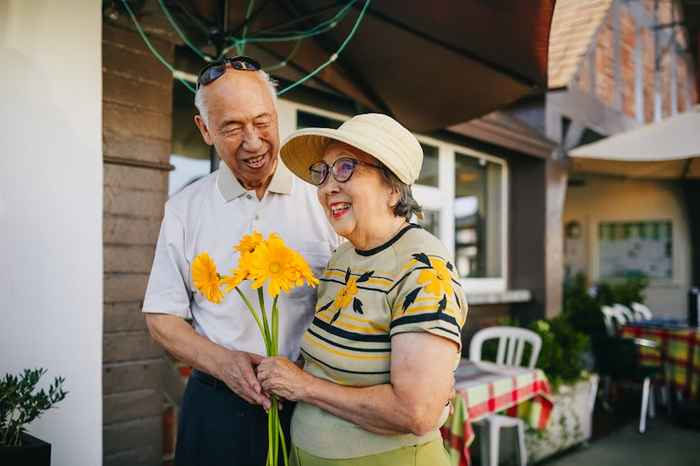
The Shikoku pilgrimage has no official age cap. You’ll find pilgrims in their 80s and even 90s quietly making their way around the 88 temples each spring and autumn.
That said, whether your parent can complete it depends less on their age and more on which style of pilgrimage they choose. Let’s look at what makes the difference.
Who Can Still Walk the Ohenro in Their 70s and 80s
Seniors who tend to complete the pilgrimage successfully share a few traits:
- They can walk 30–60 minutes daily without major pain
- They have no uncontrolled high blood pressure or heart conditions
- They’re comfortable with stairs and uneven temple grounds
- They have a travel companion or family supporting the trip
The Shikoku Ohenro covers all 88 temples across four prefectures. Bus tours take 8–12 days, while the traditional walking route takes 40–60 days. For more on the different durations, see our complete comparison of Ohenro tour options — walking, bus, car, and proxy service.
When Ohenro Becomes Physically Unsafe
There are situations where even a shorter pilgrimage style puts a senior at real risk. Be especially careful if your parent has:
- Severe knee or hip pain that limits daily walking
- Recent surgery or recovery from a stroke
- Heart disease where a doctor has restricted long trips
- Advanced dementia or cognitive decline
In these cases, insisting on a physical pilgrimage may cause more harm than spiritual benefit. Later in this guide, we’ll cover alternatives that still honor the wish.
Is the Ohenro Really That Tough? The 3 Physical Hurdles Seniors Face
The biggest concerns families raise for elderly pilgrims are always the same three: knee pain, general stamina, and heat stroke. Here’s what each actually looks like on the route.
Hurdle 1: Knee and Lower Back Pain on Steep Temple Steps
Many Shikoku temples are built on mountainsides. Reaching the main hall often means climbing hundreds of stone steps, sometimes uneven and moss-covered. For seniors with knee issues, this is the first thing that derails a pilgrimage.
Some practical safeguards include:
- Using a knee brace from day one, not after the pain starts
- Choosing temples with shuttle access or car park near the main hall
- Taking the railing path instead of the center steps
Hurdle 2: Stamina for Long Days of Travel
Even on a bus tour, a pilgrimage day can start at 7 AM and run past 6 PM. The exhaustion isn’t just from walking — it’s from the full day of travel, prayers, and new environments.
Seniors who manage this well often:
- Split the pilgrimage into stages (kugiri-uchi) over several trips rather than all at once
- Build in one full rest day every 3–4 days
- Sleep at temple lodgings (shukubō) rather than cheaper business hotels for calmer nights
Hurdle 3: Heat Stroke in Summer, Slips in Winter
Shikoku summers are brutal. July and August routinely see 35°C (95°F) days with high humidity. Even young hikers collapse from heat stroke. For seniors, summer and midwinter are simply not safe windows.
The safer seasons are:
- Late March to late May — cherry blossoms, mild temperatures
- October to November — crisp air, autumn foliage
Choosing the right season matters more than any piece of gear. For what to wear and pack, see our guide on Shikoku pilgrimage dress code and attire.
4 Pilgrimage Styles for Seniors: Choose by Stamina, Not by Tradition
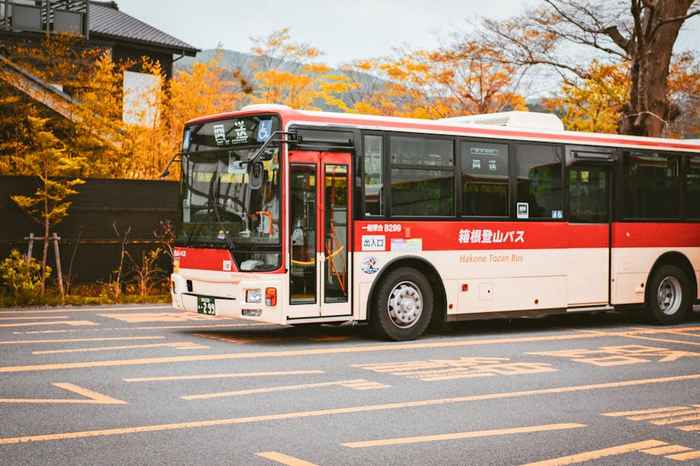
This is the most important section. The Ohenro can be completed four different ways, each suited to a different stamina level. Knowing which one fits your parent changes everything.
Style 1: Walking Pilgrimage (Aruki Henro) — for the Very Fit
The traditional method. Pilgrims walk all 1,200 km over 40–60 days. Realistic only for seniors in exceptional health — typically fit walkers in their early 60s or younger. For more on what the walking route demands, read our guide to walking the Shikoku pilgrimage.
Pros: The most authentic experience, time for reflection, deep meaning.
Cons: Physically punishing, long time commitment, risk of injury.
Style 2: Car Ohenro — for Active Seniors with a Family Driver
A family member drives, parking near each temple. This cuts walking dramatically — sometimes just from the parking lot to the main hall. Flexible pace, rest whenever needed, and privacy for your parent are the main advantages.
Best for: Seniors in their 70s with decent stamina and a willing family driver.
Style 3: Taxi Ohenro — the Safest Option for Frail Seniors
Specialized taxi drivers (often certified sendatsu guides) take pilgrims temple-to-temple. They know which side of the parking lot has the shortest walk, carry pilgrimage supplies, and respond quickly if your parent feels unwell.
Typical cost: ¥450,000–600,000 for the full 88 temples over 10–12 days, split between 2–3 people. Higher than a bus tour, but the safety margin is worth it for frail seniors.
Style 4: Bus Tour — Structured and Social
Organized group tours with scheduled stops, meals, and lodging. Typically 8–12 days total, often split into 3–4 separate trips. Many Japanese seniors prefer this style because someone else handles logistics and there’s company along the way.
The main drawback: you can’t set your own pace. If your parent needs a rest mid-morning, the bus keeps moving.
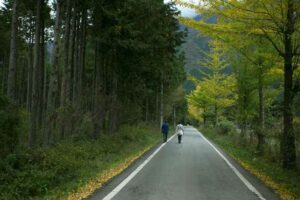
Ohenro Preparation for Seniors in Their 70s and 80s: Season, Gear, Health
Choosing the right style is half the work. The other half is preparation. Here’s what matters most for senior pilgrims.
Pick the Season Carefully
As mentioned earlier, spring (late March–May) and autumn (October–November) are the only safe windows for seniors. Avoid:
- July–August: Extreme heat, heat stroke risk
- January–February: Ice on mountain temple steps
- June: Heavy rainy-season downpours
Gear Adjustments Seniors Often Miss
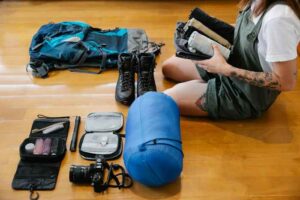
The traditional pilgrimage kit — byakue (white robe), kongō-zue (pilgrim staff), suge-gasa (sedge hat) — works well for most pilgrims. But seniors should add a few practical items:
- Knee brace or walking stick — use before pain starts
- Cooling towel — essential in late spring
- Blood pressure monitor — if medication requires daily check
- Warm layer — temples get cold even in May mornings
For the full pilgrimage packing list, see our 18 essential Ohenro items guide.
Pre-Trip Medical Check Is Non-Negotiable
Always consult the primary-care doctor before booking. Blood pressure, heart conditions, and diabetes can all be managed on a pilgrimage, but your parent’s doctor needs to know the plan. Carry a printed list of medications and a doctor’s note — language is usually Japanese-only at clinics along the route.
When Is It Too Much? 3 Warning Signs Families Should Watch For
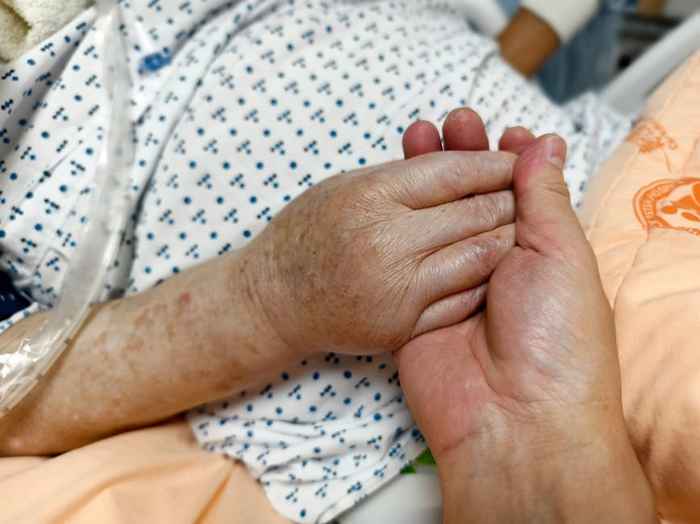
Even with the right style and preparation, some seniors hit their limit mid-pilgrimage. Families often miss the signs because their parent doesn’t want to “give up.” Here’s what to watch.
Warning 1: Persistent Joint or Leg Pain That Doesn’t Ease Overnight
Occasional soreness is normal. But if your parent wakes with the same knee or hip pain as the day before — or worse — the body is telling you the pace is wrong. Consider switching to taxi Ohenro or pausing the trip.
Warning 2: Confusion, Fatigue, or Loss of Appetite
These can signal dehydration, heat exhaustion, or a new medical issue. Seniors often don’t realize how dehydrated they are. If your parent skips breakfast for two days running, that’s a stop signal.
Warning 3: “I Want to Go Home” Said More Than Once
Mental exhaustion matters as much as physical. If your parent says this quietly and repeatedly — even while insisting they can continue — take it seriously. The pilgrimage’s value isn’t measured in completion rate.
![[Ohenro]Shikoku Pilgrimage Proxy Service: Costs and How to Choose a Trusted Provider](https://ohenro-gift.com/en/giftohenro369/wp-content/uploads/2026/03/agency_thumb-300x200.jpg)
FAQ: Common Questions About Ohenro and Age
- Is there an age limit for the Shikoku pilgrimage?
- Which style is safest when accompanying an elderly parent?
- Can a senior with knee problems still do the Ohenro?
- What’s the best season for an elderly pilgrim?
- What if my parent truly cannot do the pilgrimage themselves?

Don’t Give Up on Your Parent’s Wish: How to Honor It When Walking Isn’t Possible
We’ve covered the relationship between age and the Shikoku pilgrimage, four ways seniors can visit the 88 temples, and the warning signs families should watch for. Here’s the short version:
- The Ohenro has no age limit — seniors in their 80s do complete it
- The right style (walking / car / taxi / bus tour) matters more than age itself
- Spring and autumn are the only safe seasons for senior pilgrims
- If the limit is reached, there are still ways to honor the wish
But some parents truly can’t make the trip. Illness, post-surgery recovery, or simply the distance itself can make a physical pilgrimage impossible. Does that mean giving up?
Not at all. Within the 1,200-year tradition of the Ohenro, there’s a practice called daisan — pilgrimage by proxy. Someone walks the route on behalf of a person who cannot, carrying their intention and returning with a real nōkyō-chō.
If you’re weighing options — the cost, whether it feels right religiously, how to explain it to family — a simple conversation can help. Whether your parent goes themselves, whether you go with them, or whether you choose proxy, the heart of the Ohenro is the intention, not the legs that carry it.
- [Full Comparison] Ohenro Tour Options Explained — Bus Tour, Car, Walking and More
- 18 Essential Items for Ohenro — Complete Shikoku Pilgrimage Checklist
- Aruki Henro for Beginners: Is Walking 1,200km Tough? A Complete Guide