
[Beginner’s Guide] How to Start Shikoku Ohenro: Steps, Etiquette, and What to Prepare
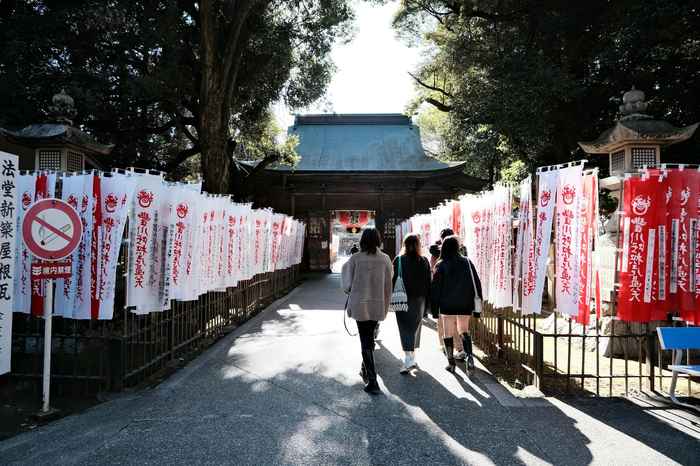
If you feel that way, you are far from alone.
The Shikoku Ohenro is a 1,200-year-old pilgrimage that visits 88 sacred temples. But it is much more open and flexible than most people imagine, and anyone can begin. This article organizes the key points a first-time pilgrim truly needs, step by step.
This article will walk you through the following:
- The basics of Ohenro and what every beginner should know first
- A clear 3-step way to start without getting lost
- The flow of temple etiquette (greeting, name slips, temple seal)
- The minimum outfit, gear, and budget for your first pilgrimage
- The difference between forward, reverse, full, and segmented pilgrimage

Ohenro Basics for Beginners: What the 88-Temple Shikoku Pilgrimage Really Is
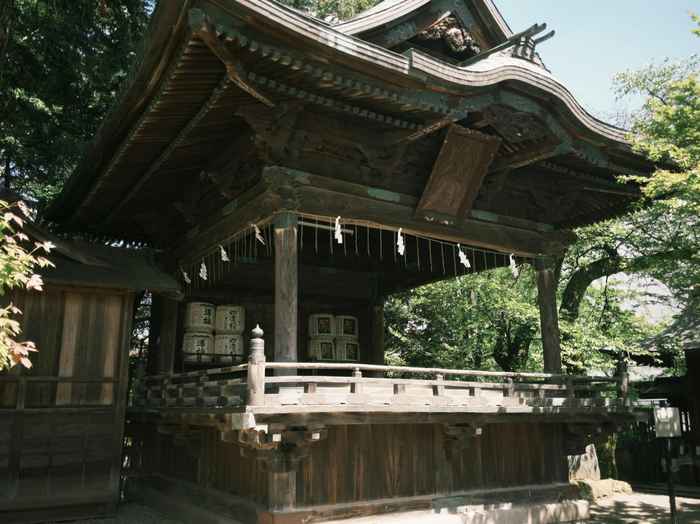
Ohenro refers to a pilgrimage around 88 sacred temples (reijo) scattered across Shikoku Island. Pilgrims visit temples connected to Kobo Daishi (Kukai), the founder of Shingon Buddhism, in a tradition that has continued for over 1,200 years.
Today, people walk it not only for spiritual training, but also to mark a turning point in life, to pray for loved ones, or for family healing. You do not need to be religious or well-versed in Buddhism at all.
In recent years, international visitors, people in their 20s, and seniors in their 50s and beyond are all walking the route. It is said more than 100,000 pilgrims visit each year. The modern Ohenro is less about “ascetic training” and more about taking time to face yourself.
Distance and Duration of the Pilgrimage
The total route of the 88 temples covers about 1,200 km. Here is the typical time required by each method of travel.
| Method | Days Needed | Features |
|---|---|---|
| Walking | About 40–50 days | Most traditional. Requires stamina, time, and budget |
| Car / Taxi | About 10–12 days | Efficient. Easy to complete in one trip |
| Bus Tour | About 10–12 days | Can be split into several scheduled segments |
| Segmented | Several years | Spread across weekends or holidays |
Is It Really OK for a Beginner?
The short answer is, yes, beginners are completely welcome. Ohenro is a generous pilgrimage that does not judge the depth of your faith or experience.
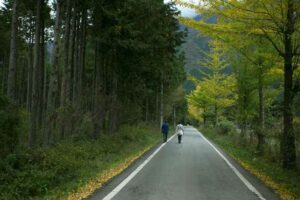
How to Start Ohenro in 3 Steps: A Beginner-Friendly Route to Your First Temple
Starting Ohenro becomes simple if you follow these 3 steps. Trying to decide everything at once is overwhelming, so take it in order.
Step 1: Decide When to Go and How to Travel
First, decide when you will go and how you will move. Spring (March–May) and autumn (October–November) are the most comfortable seasons for walking.
As for travel, you can choose from walking, car, taxi, bus tour, or a proxy service. If you cannot take long time off work or away from family, segmented pilgrimage or a proxy service are the realistic options.
Step 2: Gather the Minimum Outfit and Items
The first three items a beginner should prepare are just the white robe (byakue), stole (wagesa), and sutra book (nokyocho). Together they cost around 5,000 yen.
You can buy everything at the shop near Ryozenji, Temple No. 1. Buying on-site is the easiest way — there is no need to order online in advance.
Step 3: Start from Ryozenji, Temple No. 1
Once you have your gear, you begin Ohenro from Ryozenji in Tokushima (Temple No. 1). Ryozenji is accessible as a day trip from the Kansai area, and it is the ideal place for a beginner’s first step.
If you want a deeper look at the different pilgrimage styles by travel method, please also read this article.
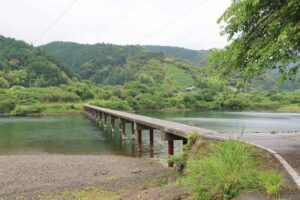
Ohenro Etiquette for Beginners: From Prayer to Name Slips and Temple Seals
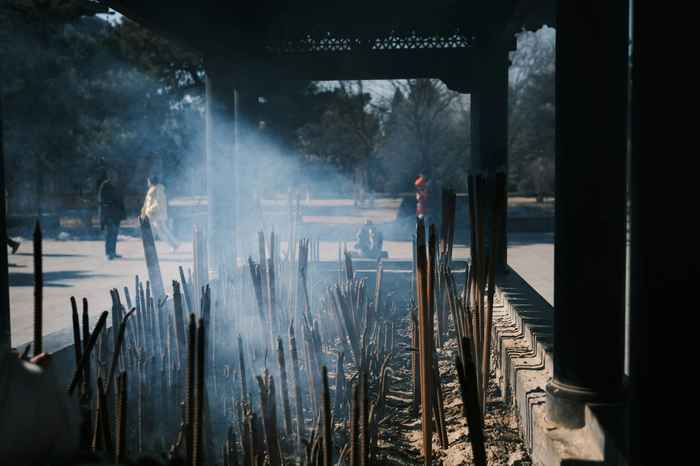
Each temple visit follows a basic sequence of etiquette. Knowing it helps, but small mistakes are not a problem at all. What truly matters is praying with sincerity.
Basic Flow at Each Temple
At every temple, your visit roughly follows these steps.
- Bow once at the main gate before entering
- Purify your hands and mouth at the water pavilion (chozuya)
- Pray at the main hall (gassho, sutra, name slip, offering)
- Pray at the Daishi hall (same etiquette)
- Receive the red stamp and calligraphy at the seal office
- Bow once as you leave the gate
How to Do Gassho (Palms Together)
Gassho is a simple gesture: place your palms together in front of your chest and bow your head slightly. Even if you cannot read sutras, gassho with “thank you” or “I entrust myself” in your heart is completely acceptable.
As you get used to it, you may recite the Heart Sutra (Hannya Shingyo) at both the main hall and the Daishi hall for a more formal visit. Many temples also lend sutra books.
Name Slip, Offering, and Temple Seal
At the main hall and the Daishi hall, place your name slip (osamefuda) in the designated box. The name slip carries your name, address, and prayer. The color is white for the 1st–4th pilgrimages, and it changes from the 5th and beyond.
Next, make your monetary offering, light a candle and three incense sticks, then pray and chant. Finally, at the seal office (nokyosho), you receive the red stamp and calligraphy for 500 yen per temple.
There is no fixed amount for the offering. Even 5 or 10 yen is not considered rude, so simply give what feels right. For candles and incense, one candle at each hall and three incense sticks is a common guideline.
What to Prepare for Your First Ohenro: Outfit, Essentials, and Budget at the Minimum
For a first-time pilgrim, it’s easiest to think in three simple categories: a 3-piece outfit, practical essentials, and travel costs. You do not need to gather everything at once. Start with what you need first.
The 3 Basic Items for Ohenro Outfit
If you want to look the part, these three items are all you are all you need.
| Item | Meaning | Price Range |
|---|---|---|
| White robe (byakue) | Formal look for worship, symbol of pilgrim | 2,000–4,000 yen |
| Stole (wagesa) | Minimum formal item worn at prayer | 2,000–3,000 yen |
| Sutra book (nokyocho) | Book that records the temple seals | 2,500–5,000 yen |
Together these come to about 5,000–10,000 yen. You can buy them all at Ryozenji with no guesswork. Prices vary by material and craftsmanship, but the simplest version is plenty for your first trip.
Practical Items to Bring
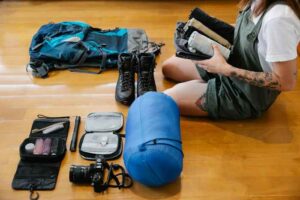
Beyond the outfit, here are the bare minimum items a beginner should bring.
- Comfortable shoes (hiking shoes for walking pilgrims)
- Rain gear (folding umbrella or rain jacket)
- Small coins for offerings (500–1,000 yen per day)
- Seal fees (500 yen × number of temples)
- Candles and incense (can buy at Temple No. 1)
- Name slips (white for 1st–4th pilgrimages)
- A lighter or matches
Big-Picture Budget
Here is a budget guide for a beginner doing the full pilgrimage (tooshi-uchi) in one go.
| Item | Estimated Cost |
|---|---|
| Basic outfit (3 items) | 5,000–10,000 yen |
| Temple seal fees (500 yen × 88) | 44,000 yen |
| Lodging and meals (10–12 days) | 100,000–150,000 yen |
| Transport (car, gas, tolls) | 30,000–50,000 yen |
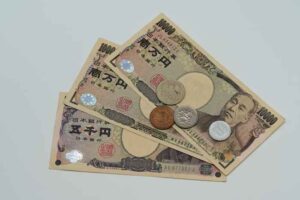
For deeper details on outfit and budget, please also see these articles.
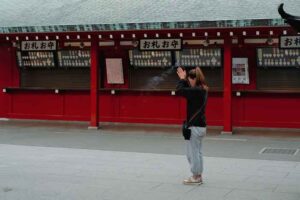
Forward, Reverse, Full, and Segmented: Which Pilgrimage Style Fits a Beginner?
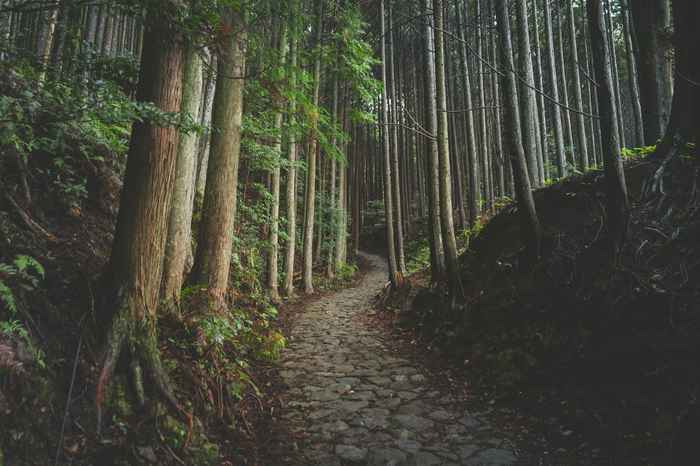
Ohenro has several pilgrimage styles. The names sound complex, but the meanings are simple once you break them down.
Forward vs. Reverse Pilgrimage
Forward pilgrimage (jun-uchi) visits the temples in order, from No. 1 to No. 88. The road signs and guidance are built around this direction, so beginners should generally choose forward order first.
Reverse pilgrimage (gyaku-uchi) goes from Temple No. 88 back to No. 1. It is said to bring three times the blessings in a leap year. However, road signs face the opposite way, so it is more difficult for beginners.
Full vs. Segmented Pilgrimage
Full pilgrimage (tooshi-uchi) visits all 88 temples in one continuous trip. Walking takes about 40 days, while driving takes around 10–12 days.
Segmented pilgrimage (kugiri-uchi) splits the journey into several separate trips. It is popular among those who cannot take long vacations, and many spread it across one to two years.
| Style | Features | Best For |
|---|---|---|
| Forward | Temple 1 → 88 | All beginners |
| Reverse | Temple 88 → 1 | Experienced / leap-year pilgrims |
| Full | All in one continuous trip | Those with long vacations |
| Segmented | Split into several trips | Those with work/family commitments |
Recommended Combination for Beginners
For first-time pilgrims, “forward + segmented” is the most approachable combination. You start from Temple No. 1 in order, and divide the journey across long weekends or short holidays.
If you would like to learn more about full and segmented pilgrimage, see this article.
Common Beginner Questions About Ohenro: Clearing Up Doubts on How to Start and Etiquette
- Is it OK to start Ohenro alone?
- I cannot read sutras. Can I still do Ohenro?
- What is the shortest way to finish Ohenro?
- Is it true that a reverse pilgrimage in a leap year brings triple blessings?
- My elderly parent wants to try Ohenro for the first time. I’m worried.
Don’t Regret Your First Ohenro: Smart Options to Reduce the Burden for Beginners

Let’s recap everything one more time.
- Ohenro is absolutely fine for beginners — no experience required
- Start in 3 steps: pick a season → prepare your outfit → begin at Ryozenji
- Do not aim for perfect etiquette — gassho and sincerity are what matter
- The minimum outfit is the white robe, stole, and sutra book (from 5,000 yen)
- Beginners do best with the “forward + segmented” combination
Seen this way, Ohenro is easier to start than most people imagine, isn’t it?
That said, we still hear plenty of concerns: “I can’t take long time off,” “gathering the outfit sounds complicated,” “my elderly parents want to walk it but no longer have the strength.”
Your sutra book is stamped with real seals and calligraphy from all 88 temples. We also include photos of the route, so your family truly feels that the pilgrimage was completed for them.
Whether you cannot take the time off yourself, or you want someone to walk on your family’s behalf, just reach out. We’ll build the right plan together. Cost, timing, and how to present it as a gift are all flexible.
Any question is welcome — about the pilgrimage itself, about ways to walk it, or about the small hesitations beginners feel. A consultation alone is perfectly fine.
![[Ohenro]Shikoku Pilgrimage Proxy Service: Costs and How to Choose a Trusted Provider](https://ohenro-gift.com/en/giftohenro369/wp-content/uploads/2026/03/agency_thumb-300x200.jpg)
▼Related Reading
- [2026 Updated] How Much Does Ohenro Really Cost? Walking, Car, and Taxi Budgets Compared
- [Complete Guide] How Many Days Does Ohenro Take? Full Pilgrimage and Segmented Pilgrimage Explained
- [Complete Guide] Is There a Dress Code for the Shikoku Pilgrimage? White Robe, Pilgrim Outfit, and Casual Clothes Explained
- [Side-by-Side] How to Choose Your Ohenro Tour: Bus Tour, Proxy, and Walking Compared