Aruki Henro for Beginners: Is Walking 1,200km Tough? A Complete Guide to Costs, Duration & Difficulty
Many people feel exactly that way.
To be honest, aruki henro is not a challenge we’d recommend for everyone. It requires the stamina to walk 25–30km a day, sustained over 40 to 50 days — and nearly half of all who attempt it drop out before finishing.
That said, whether it’s realistic for a beginner comes down to the numbers. Once you understand the costs, the gear you need, and where the tough sections are, you can make that call yourself. This article covers everything you need to know.
- The basics of aruki henro and what 40 days looks like
- Realistic daily pacing and duration for beginners
- A breakdown of the ¥300,000–¥500,000 total cost and tips to save
- Essential gear and packing list
- The toughest sections of the route and what beginners really face

What Is Aruki Henro? Walking the 88 Sacred Sites of Shikoku — 1,200km in About 40 Days
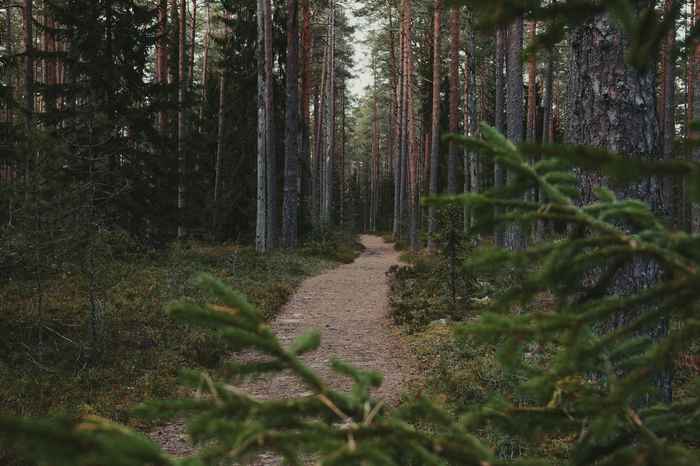
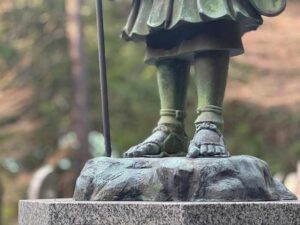
Aruki henro is a pilgrimage covering all 88 sacred sites of Shikoku on foot — roughly 1,200km in total. It follows the same path that Kobo Daishi (Kukai) walked 1,200 years ago, and is considered the most traditional form of the Ohenro pilgrimage.
Today there are many alternatives — bus tours, car henro, taxi henro — but aruki henro still holds a special place as the pilgrimage in its “original form.” Each year, approximately 1,000–2,000 people complete the full walk.
However, nearly half of those who attempt it drop out along the way, so completing it is anything but easy. Before you commit, it’s worth understanding exactly what the numbers look like.
The Full Picture in Numbers
The quickest way to grasp the scale is to look at the raw data.
| Item | Details |
|---|---|
| Total distance | Approx. 1,200km (roughly 1.5 times the distance from Tokyo to Fukuoka) |
| Standard duration | Approx. 40–50 days (for a continuous pilgrimage) |
| Daily walking distance | Average 25–30km |
| Starting point | Ryozenji (Temple No. 1), Tokushima Prefecture |
| Final destination | Okuboji (Temple No. 88), Kagawa Prefecture |
Why Do People Still Choose to Walk? The Shared Motivations
Among those who choose aruki henro today, three motivations come up again and again.
- To mark a turning point in life — retirement, a career change, mourning a loved one
- To test the limits of their body and mind
- To walk the same path as Kobo Daishi with their own feet
At the heart of each motivation is the irreplaceable sense of “I walked this myself” — something no bus or car tour can replicate.

Aruki Henro Takes About 40–50 Days! A Beginner’s Guide to Daily Pacing
The standard duration for aruki henro is approximately 40–50 days. It varies based on fitness, experience, and accommodation style, but for beginners aiming to walk without overexerting themselves, 50 days is a realistic estimate.
Duration by Fitness Level (35–60 Days)
| Pace | Duration | Daily Distance | Best For |
|---|---|---|---|
| Fast Pace | Approx. 35–40 days | 30–35km | Hikers and trail runners |
| Standard Pace | Approx. 40–50 days | 25–30km | Those with a regular walking habit |
| Beginner Pace | Approx. 50–60 days | 20–25km | First-time long-distance walkers |
Walking While Working! The Stage Pilgrimage Option
If you can’t take 40+ consecutive days off work, splitting the route into stages — called “kiri-uchi” (stage pilgrimage) — is a valid alternative.
You divide the route into manageable sections, completing 3–7 days at a time using weekends, public holidays, and paid leave. Walking at roughly one region per visit and completing the full circuit over six months to a year is common.
Mornings Start at 5am! A Day in the Life of Aruki Henro
The daily rhythm of aruki henro starts earlier than most people expect.
- 5:30–6:00 Wake up and leave accommodation
- 7:00–12:00 Morning walk (approx. 15km)
- 12:00–13:00 Lunch and rest
- 13:00–17:00 Afternoon walk (10–15km)
- 17:00–18:00 Arrive at lodging, do laundry
- 19:00–20:30 Dinner and prepare for next day
- 21:00–21:30 Sleep
For a detailed breakdown of duration and comparisons with other travel styles, see our full guide below.
Does Aruki Henro Cost ¥300,000–¥500,000? A Full Breakdown and Saving Tips
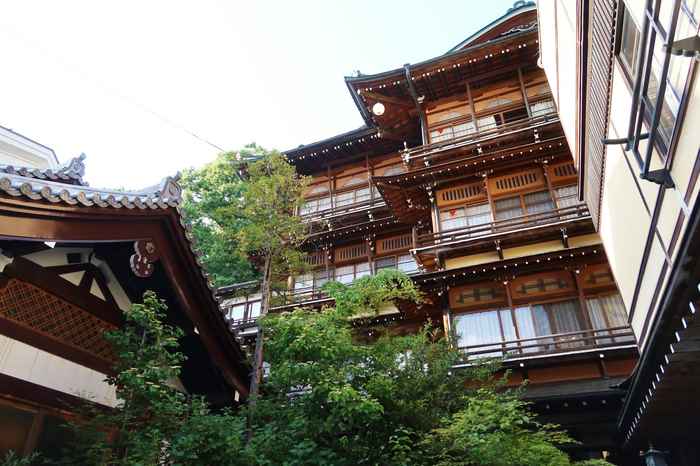
Total costs for aruki henro range from ¥300,000 to ¥500,000 depending on accommodation style and duration. It takes longer than car or taxi henro, but transportation costs are minimal — which means the total can be lower than you’d expect.
Cost Breakdown: Accommodation, Food, and Temple Fees
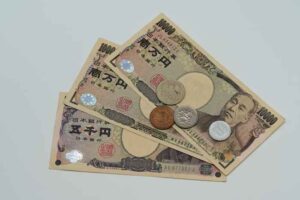
Here’s an estimated breakdown for a standard 45-day trip (accommodation: ¥7,000–¥9,000 per night).
| Item | Estimated Cost | Notes |
|---|---|---|
| Accommodation (44 nights) | ¥300,000–¥400,000 | Temple lodgings, guesthouses, business hotels |
| Food (45 days) | ¥50,000–¥70,000 | Breakfast/dinner at lodging; lunch from convenience stores |
| Temple fees (88 temples × ¥500) | ¥44,000 | Revised rate as of April 2024 |
| Pilgrim outfit | ¥10,000–¥30,000 | Hakuye (white robe), wagesa (stole), etc. |
| Transport (to/from Shikoku) | ¥20,000–¥50,000 | Depends on departure location |
All told, the typical budget lands at around ¥400,000–¥550,000.
Using Zenkonyado Too! Three Ways to Cut Costs
Accommodation is by far the biggest expense. Tackling this strategically can dramatically reduce the total.
- Use zenkonyado (善根宿) — free or donation-based lodging hosted by local residents
- Camp at designated roadside stations (michi-no-eki) or henro huts
- Stay at breakfast-only guesthouses and handle lunch and dinner yourself
By combining zenkonyado and camping, some pilgrims bring the total down to around ¥200,000. That said, the physical demand is high — beginners are generally better off budgeting for regular accommodation.
For a full look at total costs and comparisons with other pilgrimage styles, see our cost guide.
What Gear Do You Need for Aruki Henro? Hakuye, Hiking Boots, and the Full Packing List
Aruki henro gear falls into three falls into three categories: traditional pilgrim outfit, practical hiking equipment, and daily essentials. Since you’ll be carrying everything on your back for 40 days, balancing light weight with proper function is the top priority.
Hakuye, Sugegasa, Kongotsue — The Pilgrim Outfit and What It Costs
The traditional outfit you’ll see on aruki henro pilgrims includes the following.
| Item | Purpose | Estimated Cost |
|---|---|---|
| Hakuye (白衣, white robe) | Traditional pilgrim garment; also breathable for walking | ¥2,000–¥4,000 |
| Wagesa (輪袈裟, stole) | Minimum formal attire for temple visits | ¥2,000–¥3,000 |
| Sugegasa (菅笠, sedge hat) | Traditional hat that blocks sun and rain | ¥2,000–¥4,000 |
| Kongotsue (金剛杖, staff) | Symbol of Kobo Daishi; also aids walking | ¥2,000–¥3,000 |
| Nōkyō-chō (納経帳, stamp book) | Collects the ink and seal from each temple | ¥2,500–¥5,000 |
Everything is available near Temple No. 1, Ryozenji. Total cost is around ¥10,000–¥30,000.
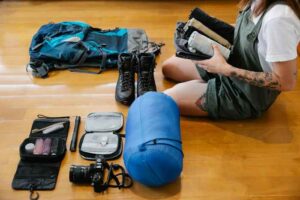
Essential Gear to Prevent Dropout — What You Must Bring
Beyond the pilgrim outfit, your practical gear is what keeps your body safe.
- Hiking boots (waterproof, well-cushioned)
- Backpack (30–40L) with rain cover
- Rain jacket and trousers (Gore-Tex recommended)
- Moisture-wicking T-shirts, underwear, socks (2–3 sets each)
- Warm layer (fleece or down jacket)
- Portable battery and charging cables
- First aid kit (plasters, sports tape, pain relief)
In particular, hiking boots and rain gear are non-negotiables. Blisters from ill-fitting shoes and chilling your body in wet weather are the leading causes of dropping out.
Pack Weight Must Stay Under 10kg — Protecting Your Knees and Back
With everything packed, aim to keep your total load at 7–10kg. Once you exceed 10kg including water and food, the strain on your knees and lower back rises sharply.
Temple Lodgings, Guesthouses, or Business Hotels — How to Choose
The three main types of accommodation for aruki henro pilgrims are shukubo (temple lodgings), minshuku (guesthouses), and business hotels. Shukubo let you stay on temple grounds and include shojin ryori (Buddhist meals) — a special experience of pilgrimage culture. Minshuku are plentiful along the henro route and usually include breakfast and dinner plus laundry access, making them ideal for long-distance walkers.
Business hotels are limited to larger towns but offer better facilities for proper rest. For beginners, building your itinerary around minshuku as the base with a shukubo night or two mixed in is an manageable approach.
For a detailed look at pilgrim outfits and gear, see our guide below.
Is Aruki Henro Really That Difficult? The Toughest Sections and What Beginners Face
Aruki henro is the most physically demanding of all the Shikoku pilgrimage styles. But knowing specifically where the tough sections are makes it much easier to assess whether it’s right for you.
Shozan-ji, Yokomine-ji, Unpen-ji — The Three Major Challenges Every Beginner Must Know
Several sections of the henro route are known as “difficult passes.” The three that challenge beginners most are below.
| Difficult Pass | Location | Why It’s Tough |
|---|---|---|
| Shozan-ji (焼山寺) approach | Tokushima — Temple No. 12 | Mountain path over 700m elevation. The first major hurdle |
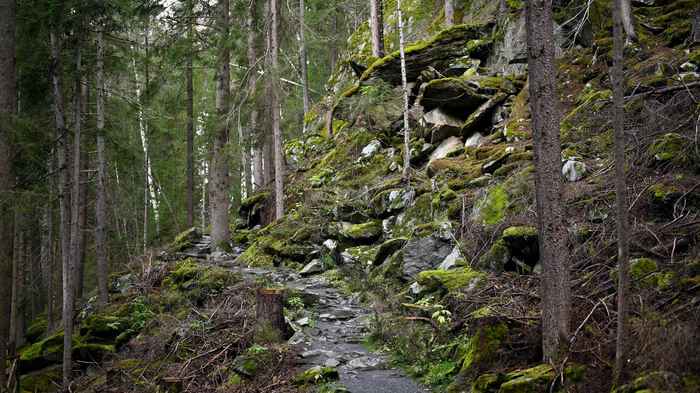
| Yokomine-ji (横峰寺) approach | Ehime — Temple No. 60 | 750m elevation. Steep, moss-covered mountain trail |
| Unpen-ji (雲辺寺) approach | Kagawa/Tokushima border — Temple No. 66 | 920m — the highest point in the Shikoku sacred sites |
All three require a level of fitness comparable to standard hiking, and conditions can become dangerous in bad weather — knowing when not to push on is essential.
Blisters, Knee Pain, Gear Failure — The Realities Beginners Face
Looking at accounts from experienced pilgrims, the issues that trip up beginners consistently come down to three things.
- Blisters and hot spots (most common around day 3)
- Chronic knee and ankle pain (from the end of week one onwards)
- Gear problems in the rain (soaked pack, inadequate warmth)
All three can be greatly reduced with the right gear and preparation beforehand. In the 1–2 months before the pilgrimage, getting into the habit of walking 10km or more at least twice a week in your hiking boots is the ideal baseline.
For beginner basics on how to start and henro etiquette, see our beginner’s guide.
Aruki Henro FAQ — Answers to Common Worries and Questions for Beginners
- Is aruki henro safe for women travelling alone?
- What is the minimum budget for aruki henro?
- What is the best time of year to do aruki henro?
- What training do I need before attempting aruki henro?
- My elderly parent has always dreamed of aruki henro but can no longer walk. Is there a way someone else could complete it on their behalf?
Aruki Henro Too Challenging? A Gentler Way to Complete All 88 Sacred Sites
Let’s bring together everything we’ve covered.
- Aruki henro is a 1,200km, 40–50 day walking pilgrimage of the 88 Sacred Sites of Shikoku
- Total cost is typically ¥300,000–¥500,000, with accommodation making up the majority
- Hiking boots and rain gear are what keep you safe
- The three tough passes — Shozan-ji, Yokomine-ji, Unpen-ji — require hiking-level fitness
- For beginners, advance training and the stage pilgrimage format are the realistic path forward
Seen all together, aruki henro is clearly a profound undertaking — one of those rare challenges in life that is genuinely worth attempting.
Even so, we regularly hear from people who feel: “I can’t take that much time off.” “I worry my parent isn’t physically able to do it.” “I’d love to try, but it’s just not realistic for me right now.”
The nōkyō-chō will carry genuine ink stamps and calligraphy collected at each of the 88 temples — a tangible record of every step of the walk, delivered to your hands.
“I can’t make the walk myself, but I want the intention to reach.” If that resonates, that’s exactly what Ohenro Gift Bin is here for. Costs, scheduling, and gifting options for a loved one — all of it is open for discussion.
Whether it’s about aruki henro, about our proxy service, or about how to deliver a heartfelt wish — please feel free to reach out. An enquiry only is perfectly welcome.
![[Ohenro]Shikoku Pilgrimage Proxy Service: Costs and How to Choose a Trusted Provider](https://ohenro-gift.com/en/giftohenro369/wp-content/uploads/2026/03/agency_thumb-300x200.jpg)
▼ Related Articles