18 Essential Items for Ohenro — Complete Shikoku Pilgrimage Checklist
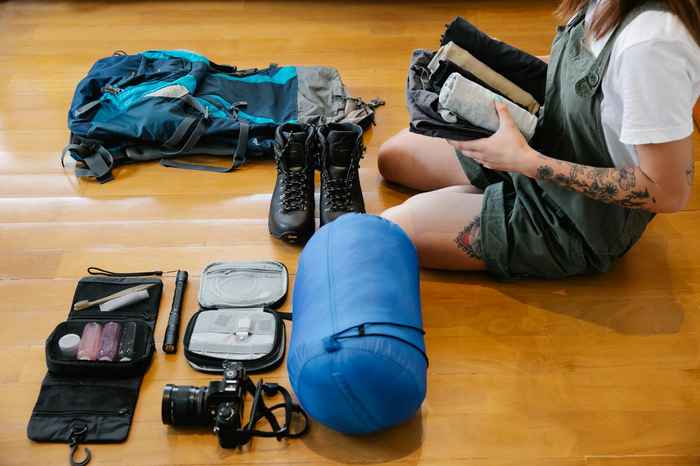
Ohenro items can be organized into 3 categories: pilgrimage attire, worship essentials, and convenient gear — totaling 18 items.
This article breaks down all 18 items with their purpose, necessity level, and reference price, plus a cost overview and where to buy them.

18 Essential Items for Ohenro — Complete Shikoku Pilgrimage Checklist
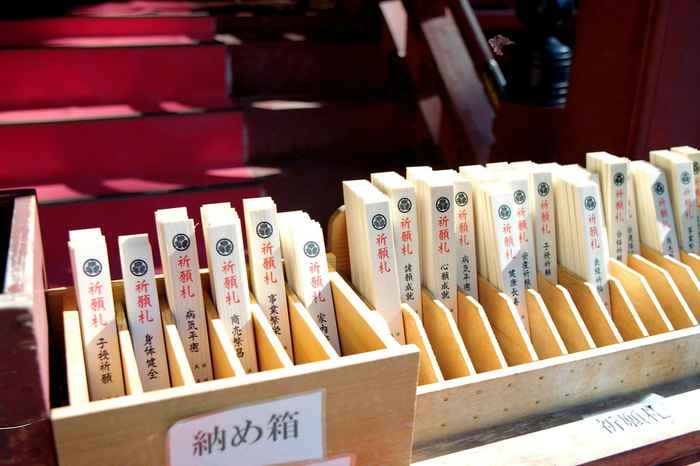
Start by reviewing all 18 essential Ohenro items in this handy table.
| No. | Item | Category | Priority | Reference Price |
|---|---|---|---|---|
| 1 | Byakue (white vest) | Attire | ★★★ | ¥2,000–5,000 |
| 2 | Kongō-zue (pilgrim staff) | Attire | ★★★ | ¥1,500–3,500 |
| 3 | Suge-gasa (sedge hat) | Attire | ★★☆ | ¥2,000–4,000 |
| 4 | Wagesa (Buddhist stole) | Attire | ★★★ | ¥1,000–3,000 |
| 5 | Nōkyō-chō (stamp book) | Worship | ★★★ | ¥2,000–3,500 |
| 6 | Osamefuda (name slips) | Worship | ★★★ | ¥100–200 |
| 7 | Juzu (prayer beads) | Worship | ★★★ | ¥1,000–3,000 |
| 8 | Kyōhon (sutra book) | Worship | ★★★ | ¥300–1,000 |
| 9 | Candles | Worship | ★★★ | ¥200–500 |
| 10 | Incense | Worship | ★★★ | ¥200–500 |
| 11 | Lighter | Worship | ★★★ | ¥100–300 |
| 12 | Sanya-bukuro (pilgrim bag) | Gear | ★★☆ | ¥1,500–4,000 |
| 13 | Miei-chō (sacred image book) | Gear | ★★☆ | ¥1,500–2,500 |
| 14 | Jirei (hand bell) | Gear | ★☆☆ | ¥1,000–2,500 |
| 15 | Kakejiku (hanging scroll) | Gear | ★☆☆ | ¥20,000–50,000 |
| 16 | Rain gear | Gear | ★★★ | ¥2,000–5,000 |
| 17 | Comfortable walking shoes | Gear | ★★★ | ¥5,000–15,000 |
| 18 | Maps & guidebooks | Gear | ★★☆ | ¥1,500–2,500 |
Now let’s look at each category in detail.
4 Essential Pilgrimage Attire Items — Byakue, Kongō-zue, Suge-gasa, and Wagesa
Pilgrimage attire represents the “formal dress” of Ohenro.
While you don’t absolutely need all four pieces, wearing them creates a powerful sense of commitment and focus.
Byakue (White Vest)
The byakue is the iconic white vest of Ohenro pilgrims.
White represents the Pure Land in Buddhism, symbolizing the pilgrim’s resolve to “have no regrets whenever life ends.”
Kongō-zue (Pilgrim Staff)
The kongō-zue is considered the manifestation of Kobo Daishi and is treated as the most sacred tool in Ohenro.
Upon arriving at lodging, you wash the staff’s tip and lean it against the upper seat in your room. Never strike the staff on bridge crossings — there’s a tradition that Kobo Daishi rests beneath bridges.
Reference price: ¥1,500–3,500. You can also purchase one at the Temple 1 shop.
Suge-gasa (Sedge Hat)
The suge-gasa bears the words “Dōgyō Ninin” (two pilgrim travelers) and protects you from both sun and rain in practical style.
You don’t need to remove it indoors, so your worship flows smoothly. Reference price: ¥2,000–4,000.
Wagesa (Buddhist Stole)
The wagesa is a simplified stole worn around the neck and an important piece in completing the pilgrim’s formal appearance.
Remember to remove it during meals and restroom visits — this is proper etiquette. Reference price: ¥1,000–3,000.
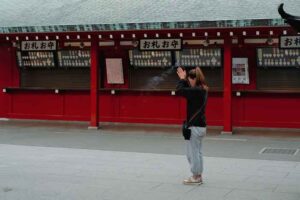
7 Worship Essentials — From Stamp Books to Incense Sets
Now we cover items you’ll use during worship at each temple.
Nōkyō-chō (Stamp Book)
The nōkyō-chō is where you collect the sacred seals at each temple and becomes your Ohenro record.
Books designed for the Shikoku Eighty-Eight Temples come with temple numbers already printed, which is super convenient. Reference price: ¥2,000–3,500. The stamp fee is ¥500 per temple (updated 2024), totaling ¥44,000 for all 88 temples.
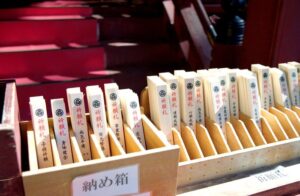
Osamefuda (Name Slips)
You leave one slip at each temple’s main hall and one at the Kobo Daishi hall, so you’ll need at least 176 for all 88 temples.
Write your name, address, and intention ahead of time for smooth worship. A bundle of 100 costs just ¥100–200, so grab two bundles to be safe.
Juzu (Prayer Beads)
Worn in hand during worship, a simple one-handed string of beads (nyohitsu) works fine regardless of Buddhist sect.
Reference price: ¥1,000–3,000. If you already own prayer beads, you can reuse them.
Kyōhon (Sutra Book)
This book contains the sutras you’ll recite in the main and Kobo Daishi halls, including the Heart Sutra, opening hymn, and the temple’s main mantra.
Reference price: ¥300–1,000. You may feel overwhelmed reading at first, but most pilgrims naturally memorize key passages after visiting multiple temples.
Candles
You light one candle in each of two offering lanterns, so that’s two per temple.
You’ll need 176 total for all 88 temples, but shops along the route sell them, so starting with 1–2 boxes (¥200–500) is enough.
Incense
The custom is to place 3 sticks in the incense burner at each hall, representing the Buddha, the Dharma, and the Sangha.
You’ll use about 528 sticks total (6 per temple × 88 temples). Like candles, you can replenish along the way, so starting with a few boxes (¥200–500) is fine.
Lighter
Essential for lighting candles and incense.
Matches blow out too easily, so a windproof turbo lighter is best. At ¥100–300 each, bring two for peace of mind.
7 Convenient Gear Items — Your Pilgrimage Comfort Companions
These items aren’t strictly required for worship, but make the pilgrimage much more comfortable.
Sanya-bukuro (Pilgrim Bag)
A specialized shoulder bag for carrying worship items like name slips, sutra books, and candles.
Worn crossbody, it saves you from constantly opening your backpack. Reference price: ¥1,500–4,000.
Miei-chō (Sacred Image Book)
A book where you preserve the sacred images that temples give you during the seal ceremony.
These small printed images depict each temple’s principal deity. Many pilgrims collect them alongside stamps. Reference price: ¥1,500–2,500.
Jirei (Hand Bell)
This small bell makes a chiming sound that purifies the space and announces your presence to Kobo Daishi.
Not mandatory, but on mountain paths it also deters wildlife. Reference price: ¥1,000–2,500.
Kakejiku (Hanging Scroll)
Instead of a stamp book, you can request seals directly on a hanging scroll.
Collecting all 88 creates a stunning Buddhist artwork you can display as a family treasure. However, prices range from ¥20,000–50,000, so it’s better for second pilgrimages or special commemorations.
Rain Gear
Shikoku has a warm, wet climate. The Pacific coast of Kōchi Prefecture especially sees heavy annual rainfall, making rain gear essential.
Umbrellas tie up both hands (one with the staff), so a poncho or rain coat works better. Reference price: ¥2,000–5,000.
Comfortable Walking Shoes
Walking pilgrims often cover 20–30 km per day, making proper footwear essential.
Trekking or walking shoes offer security at ¥5,000–15,000. Never wear brand-new shoes on pilgrimage — break them in first to avoid blisters.
Maps & Guidebooks
The pilgrimage bible for walkers is “Shikoku Henro: Hitotabi Dōgyō Ninin” (Henro Michi Preservation Society).
It contains detailed trail maps and lodging info, essential for avoiding wrong turns. Reference price: ¥1,500–2,500. Most modern pilgrims pair it with smartphone map apps.
What Does a Complete Ohenro Kit Cost? Real Budget Breakdown for Beginners
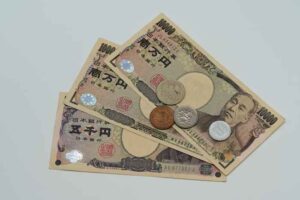
Buying all 18 items totals approximately ¥43,900–105,000.
However, the hanging scroll (¥20,000–50,000) is a premium item for second pilgrimages or special occasions. For first-time pilgrims skipping the scroll, a realistic budget is ¥23,900–55,000.
| Category | Item Count | Subtotal (Estimate) |
|---|---|---|
| 4 Pilgrimage Attire Items | 4 | ¥6,500–15,500 |
| 7 Worship Essentials | 7 | ¥3,900–9,000 |
| 6 Convenient Gear Items (minus scroll) | 6 | ¥13,500–30,500 |
| Hanging Scroll (Optional) | 1 | ¥20,000–50,000 |
- Bulk shopping at Temple 1 (Ryozenji): Many shops offer bundle discounts cheaper than buying items individually
- Online price comparison: Amazon and Rakuten sell bundled pilgrimage sets, often cheaper than in-store prices
- Use what you already have: Many people own prayer beads and lighters. Rain gear and shoes from everyday use work fine too
Beyond gear, many wonder about overall pilgrimage costs. Consider lodging, transportation, and stamp fees (¥44,000 for all 88 temples) — our cost guide breaks it all down.
Where to Buy Ohenro Gear — Best Shops and Online Options
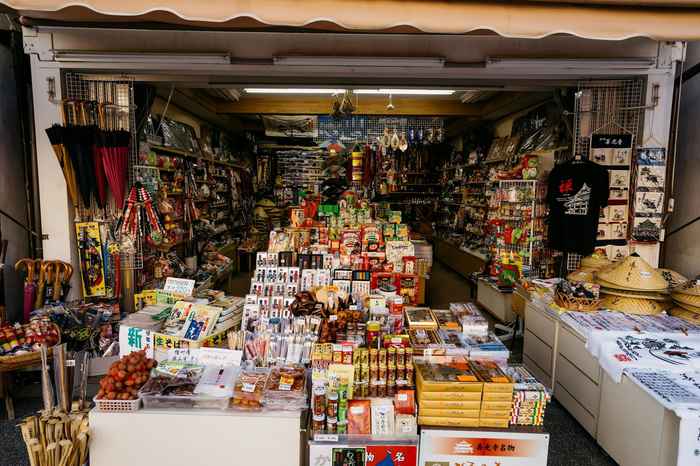
Once you’ve chosen your items, the next question is where to buy them.
You have three main shopping options.
Temple 1 (Ryozenji) Shop
Temple 1 in Naruto, Tokushima, is the pilgrimage’s starting point and has a large shop with complete gear selection.
The biggest advantage is hands-on shopping — you can feel the items. Plus, staff can explain how to use everything, which is reassuring.
Specialty Shops Along the Route
Pilgrimage supply shops dot the villages and paths throughout Shikoku.
Consumables (candles, incense, name slips) can be replenished as you go, so don’t overstock at the start.
Online (Amazon, Rakuten, Specialty Sites)
If you want to shop from home and compare prices, online is convenient.
Search “Ohenro set” on Amazon or Rakuten to find starter bundles with byakue, wagesa, sanya-bukuro, and kyōhon. Beginner-friendly sets make shopping easy, and price comparison is simple.
For a complete beginner’s guide to Ohenro preparation, see our full introduction.
Frequently Asked Questions About Ohenro Gear
- What’s the bare minimum I need for Ohenro?
- Where can I find the cheapest Ohenro gear?
- Is a kongō-zue (pilgrim staff) absolutely required?
- Must the nōkyō-chō be specifically for the 88 Temples?
- Do driving pilgrims need different gear than walking pilgrims?
Ohenro Preparation is 90% of Success — Checklist Your Way to Peace of Mind
Ohenro gear breaks down into 4 attire items, 7 worship essentials, and 7 convenience items — 18 total.
For beginners skipping the hanging scroll, budget ¥23,900–55,000, available at Temple 1 or online retailers.
What matters most is taking that first step, not having everything perfect.
You’ll find missing items along the route, and shops stock consumables. Use this checklist as your starting point and begin gathering items at your own pace.
If time or health prevents you from traveling to Shikoku directly, the Ohenro Gift Service offers a proxy pilgrimage service where we visit the 88 temples on your behalf.
We handle everything from preparation to the full pilgrimage journey. It’s a meaningful way to send your wishes or those of your family to Shikoku without traveling yourself.
» Explore the Ohenro Gift Service
▼ Related Reading
![[Ohenro]Shikoku Pilgrimage Proxy Service: Costs and How to Choose a Trusted Provider](https://ohenro-gift.com/en/giftohenro369/wp-content/uploads/2026/03/agency_thumb-300x200.jpg)