
【The Essence of Ohenro】 The True Meaning of “Dōgyō Ninin”: Walking the Pilgrimage with Kobo Daishi
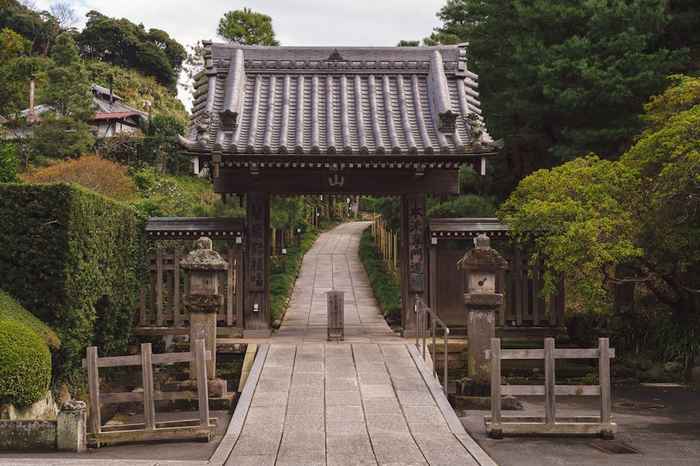
Among all the words used on the Shikoku 88-temple pilgrimage, the one held most sacred is “Dōgyō Ninin”.
This phrase carries the deep meaning of walking together with Kobo Daishi (Kukai).
In this article, we’ll cover the reading, meaning, and origins of Dōgyō Ninin, the faith embedded in pilgrim attire, the blessings of its amulets, and even the Buddhist reasoning behind why proxy pilgrimage (Daisan) still fulfills the same spirit — the full essence of Ohenro in one place.

The Meaning and Reading of “Dōgyō Ninin”: The Kobo Daishi Legend Behind It
Dōgyō Ninin is read as “Dōgyō Ninin” (literally, “two walking together”).
As the characters suggest, it means the pilgrim and Kobo Daishi (Kukai) are always walking the path together.
Though some pronounce it “Dōgyō Futari”, the official reading used by bodies such as the Shikoku Sacred Sites Association is “Dōgyō Ninin”.
The reason this phrase appears on nearly every piece of pilgrim gear is to express the belief that even when walking alone, the pilgrim is never truly alone.
The Emon Saburo Legend: The Origin Story of Dōgyō Ninin
The legend that best embodies Dōgyō Ninin is the story of Emon Saburo.
Emon Saburo was a wealthy farmer in Iyo Province (modern-day Ehime Prefecture) who once turned away a traveling monk seeking alms. In the tragic months that followed, his children died one by one — and he came to realize that the monk he had driven away was none other than Kobo Daishi himself.
Seeking forgiveness, Emon Saburo made more than twenty pilgrimages around Shikoku. Just as he was collapsing on his final circuit, Kobo Daishi appeared with a staff in hand, and legend says he was finally forgiven.
This legend became the foundation for the belief that Kobo Daishi still walks the land of Shikoku today. Even if unseen, he is said to always be beside the pilgrim — the very root of the Dōgyō Ninin philosophy.
Dōgyō Ninin in the Suge-gasa, Kongō-zue, and Byakue: Faith Woven into Pilgrim Attire
The philosophy of Dōgyō Ninin is built into every piece of the pilgrim’s attire and gear.
The suge-gasa (sedge hat), kongō-zue (staff), and byakue (white vest) each carry meaning, standing as proof that Kobo Daishi accompanies every step of the pilgrim.
The Meaning Behind “Dōgyō Ninin” Written on the Suge-gasa
The suge-gasa bears the words “Dōgyō Ninin” alongside Sanskrit characters (bonji) and mantras.
When worn with the front facing forward, the writing faces outward — showing everyone the pilgrim meets that they walk with Kobo Daishi.
Beyond its practical function of shielding from rain and sun, the hat is also a symbol of receiving the protection of Kobo Daishi.
Why the Kongō-zue Is Considered Kobo Daishi Himself
The kongō-zue is far more than a walking aid.
According to the traditions of the Shikoku Sacred Sites Association, the staff itself is regarded as a manifestation of Kobo Daishi. For this reason, the following customs are carefully observed.
- When arriving at lodging, the first thing to do is wash the tip of the staff to purify it
- Never place it directly on the floor — stand it in the tokonoma or a place of honor
- Never tap the staff on a bridge (from the tradition that Kobo Daishi rests beneath bridges)
- Treat it with respect even after the pilgrimage ends
The Faith Embodied in the Byakue and Wagesa
The byakue (white vest) symbolizes the pilgrim’s wish to become pure in body and mind, aligning themselves with the path of Buddha.
The color white represents purity in Buddhism, and historically, pilgrims wore it prepared to be buried in it should they die on the journey.
The wagesa is a simplified stole worn around the neck — a sign that even laypeople are walking the Buddhist path.
On the back, the inscription “Namu Daishi Henjō Kongō” expresses devotion to Kobo Daishi. Wearing the attire itself is, in a sense, the practice of Dōgyō Ninin.
Never Walking Alone: The Quiet Comfort of Dōgyō Ninin
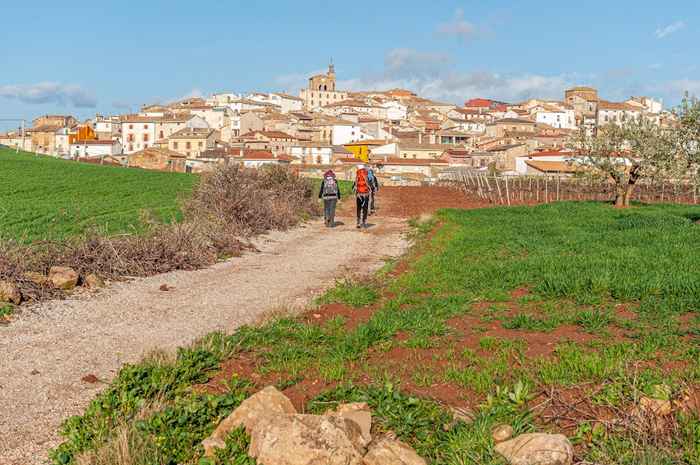
The true power of Dōgyō Ninin lies in the sense of comfort the pilgrim feels in their heart.
Even while walking long distances alone, believing Kobo Daishi is by one’s side makes it possible to overcome loneliness and exhaustion.
Feeling Kobo Daishi’s Presence in Difficult Moments
Many who have attempted the walking pilgrimage describe moments when they felt as if someone were gently pushing them forward.
When the legs give out on a steep mountain path, or when rain and wind seem about to break the spirit, something warm quietly wraps around them.
This is not a rare or special experience — it’s a sensation many sincere pilgrims describe in similar words.
It cannot be explained scientifically. But faith lives beyond logic, and these are some of the most human moments the pilgrimage offers.
Stories of Pilgrims Who Felt Dōgyō Ninin
Across Shikoku, there are countless stories of pilgrims who felt Dōgyō Ninin firsthand.
One elderly woman set out on the walking pilgrimage to pray for her late husband. When exhaustion nearly brought her down along the way, a stranger from the neighborhood offered her a drink and said, “Kobo Daishi is watching over you.”
Moments like this — small miracles — are what turn Dōgyō Ninin from mere words into a living, breathing faith.
The kindness pilgrims receive is called Osettai, and it too is one of the most beautiful expressions of Dōgyō Ninin.
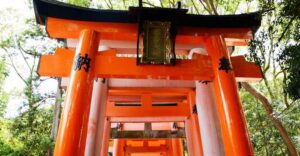
The Power of the Dōgyō Ninin Amulet: Blessings, Where to Get One, and How to Carry It
Dōgyō Ninin amulets are a way to feel the protection of Kobo Daishi close at hand, even without physically walking the pilgrimage. They have been cherished for a very long time.
They’re chosen by pilgrims themselves and also make meaningful gifts for family and friends.
Types of Dōgyō Ninin Amulets and Their Blessings
There are several kinds of Dōgyō Ninin amulets, each believed to offer different blessings, so choosing by purpose is recommended.
| Type of Amulet | Main Blessing |
|---|---|
| Netsuke / Strap type | Daily protection and the presence of Kobo Daishi |
| Wooden / Sanskrit tablet | Household safety and warding off misfortune |
| Prayer bead bracelet | Pilgrimage fulfillment and spiritual focus |
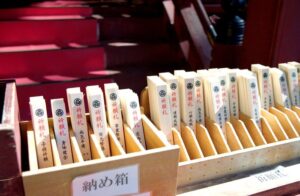
| Miei (sacred image) | Receiving the image of each temple’s principal Buddha as an object of prayer |
Every amulet is designed so the wearer can feel days lived alongside Kobo Daishi.
If you’re choosing one as a gift, pick an amulet whose theme fits the recipient’s wishes or prayers.
Where to Receive Amulets and How to Care for Them
Dōgyō Ninin amulets are traditionally received at the 88 temples of Shikoku. Each temple offers amulets reflecting the blessings of its principal Buddha, making them meaningful keepsakes of the pilgrimage.
A wide variety is available at Ryozenji (Temple 1), Okuboji (Temple 88 and the site of Kechigan), and at Mount Koya Okunoin — the traditional destination for the final gratitude visit.
For more on the meaning of Kechigan, see our article on Kechigan.
- Wear it on your person or keep it in a clean place
- Treat it with respect; avoid letting it get soiled
- After about a year, return it to the temple where you received it (or a nearby temple/shrine)
- If giving it to someone, pass it on with sincere intention
Dōgyō Ninin Works Even Through Daisan: Delivering the Hearts of Distant Families to Shikoku
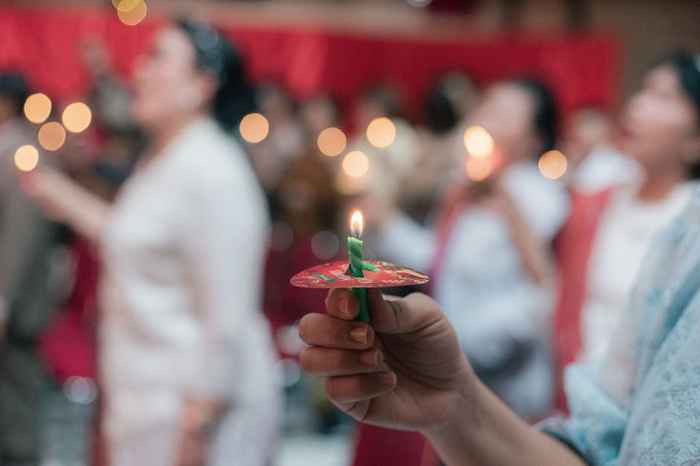
“The pilgrimage is physically too demanding.” “Work or family makes it impossible to travel to Shikoku.” Many people share these kinds of concerns.
But Dōgyō Ninin is still fulfilled through Daisan — a proxy pilgrimage pilgrimage.
The Buddhist Basis for Dōgyō Ninin in Proxy Pilgrimage
Daisan is an old Buddhist tradition in which one person performs a pilgrimage or visit on behalf of another.
In Buddhism, prayer and merit (kudoku) are believed to be carried by the state of the heart. When the proxy walks the pilgrimage walks the pilgrimage holding the requester’s wishes in their heart, those prayers reach the Buddha, and the blessings return to the person who asked.
The Shikoku Sacred Sites Association has long recognized Daisan as a legitimate form of pilgrimage. In the Edo period, village representatives would even set out carrying the prayers of every household they represented.
Delivering prayers to the Buddha on behalf of the elderly, the ill, or those bound by obligation — this gentle wisdom of Japanese pilgrimage culture has been passed down from generation to generation.
The proxy receives the requester’s name, wishes, and prayers in advance, and recites them carefully at each of the 88 temples.
By delivering the calligraphy in the nōkyō-chō (pilgrimage stamp book) and the miei (sacred images), it is believed the requester receives the same merit as if they had walked the path themselves.
Daisan is by no means a “shortcut pilgrimage”. The proxy, carrying the requester’s heart, stands firmly within the circle of Dōgyō Ninin.
The one who entrusts their prayer from afar, the one who carries it on foot, and the Kobo Daishi who watches over them. These three prayers join into one along the roads of Shikoku — that is the true form of Daisan.
Frequently Asked Questions About Dōgyō Ninin
- How is “Dōgyō Ninin” read?
- Where can I get a Dōgyō Ninin amulet?
- Does Kobo Daishi really walk beside me?
- Does Dōgyō Ninin still apply to proxy pilgrimage (Daisan)?
- Can I achieve Dōgyō Ninin without a kongō-zue?

Dōgyō Ninin Is the Heart of Ohenro: The True Meaning of Walking with Kobo Daishi
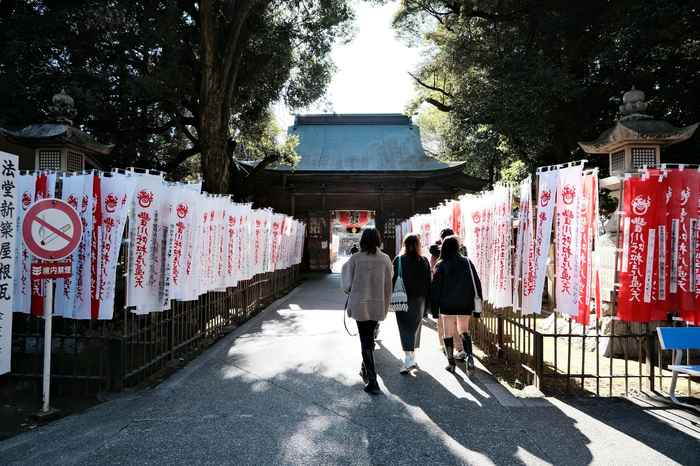
Dōgyō Ninin is the foundational idea of Ohenro — that the pilgrim walks the 88 temples of Shikoku with Kobo Daishi (Kukai).
Beginning with the Emon Saburo legend and carried through the suge-gasa, kongō-zue, and byakue, the phrase reminds every pilgrim that from the very first step, they are never alone.
Whether worn as an amulet or entrusted to a proxy pilgrimage, Dōgyō Ninin has grown in form over time, always staying close to human hearts.
The sense of Kobo Daishi’s presence on Shikoku’s roads, and the time spent praying for family and loved ones — all of it lives within this one phrase.
Whether you walk the path yourself or not, as long as you hold the spirit of Dōgyō Ninin, Kobo Daishi is always beside you. Knowing this truth is the real first step of the pilgrimage.
▼ Related Articles
- What Is Osettai? Meaning, Origins, Blessings, and Manners
- Complete Guide to Ohenro Attire: From White Vest to Everyday Clothes
![[Ohenro]Shikoku Pilgrimage Proxy Service: Costs and How to Choose a Trusted Provider](https://ohenro-gift.com/en/giftohenro369/wp-content/uploads/2026/03/agency_thumb-300x200.jpg)