Ohenro Daiko Cost, Honestly Explained: What Proxy Pilgrimage Pricing Actually Covers
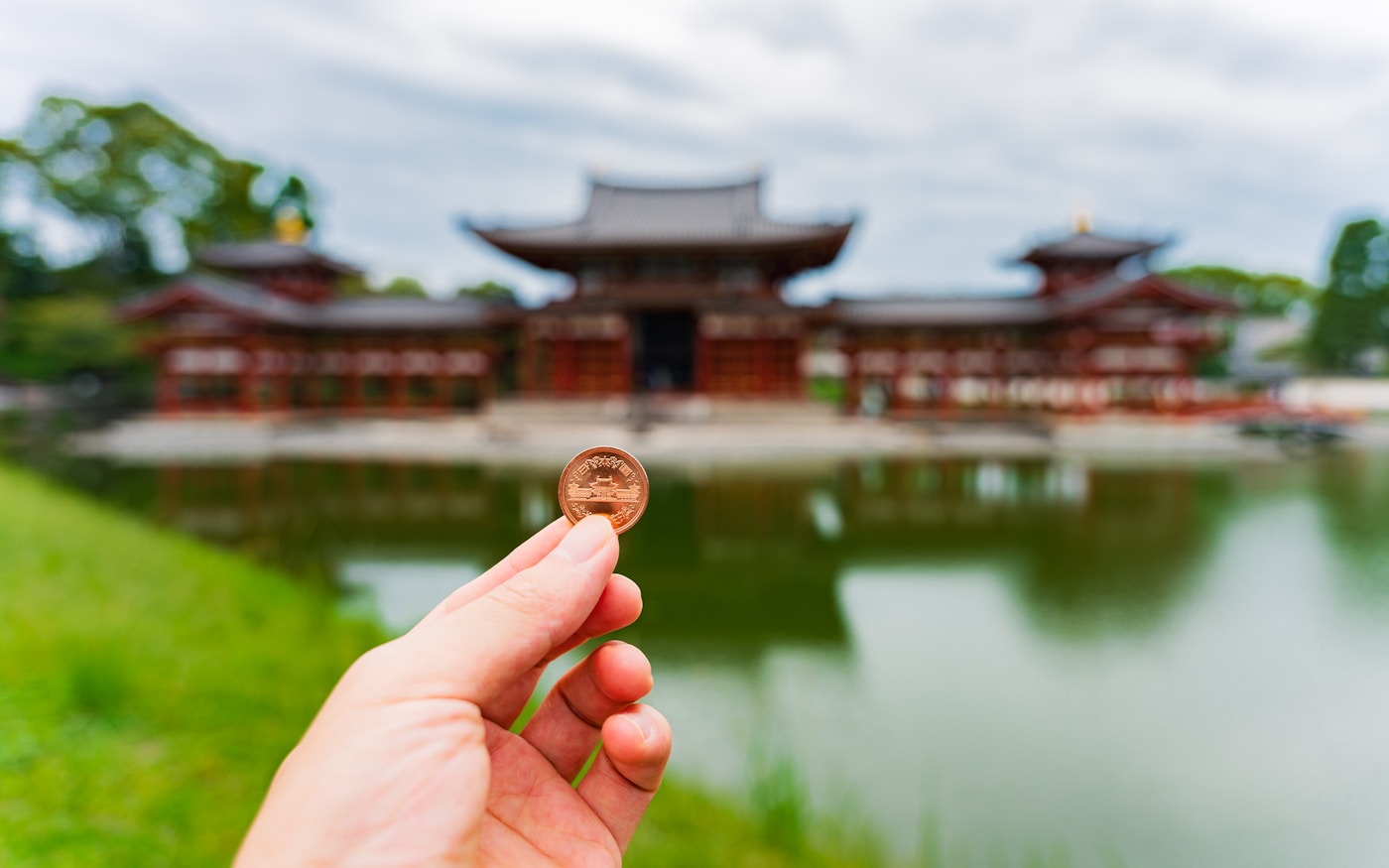
For a full 88-temple Ohenro proxy pilgrimage done properly, you’re looking at roughly 300,000 to 600,000 yen (about USD 2,000 to 4,000) as a realistic range.
Here’s why the number lands there: 88 temple stamp fees, the fuel and road costs of driving a loop around all of Shikoku, forty-odd days of a proxy pilgrim’s labor, lodging, and pilgrim gear all get stacked into that single price.
It might look steep at first glance. But once you see the line items, it’s the suspiciously cheap quotes that start to feel unnatural — not the fair ones.
In this article, I’ll walk you through:
- What Ohenro daiko actually costs — full 88-temple and stage-by-stage, without the spin
- The five cost components you’re paying for: temple fees, transport, day rate, lodging, gear
- The 2024 nokyo fee revision and how hard costs stack up before anyone earns a yen
- What you’re really buying when you pay for a proxy pilgrimage — and why “walking days” are the core cost
- Three quick filters to tell a fair price from skipped work, plus what tends to go wrong with cheap operators
- The most common questions about Ohenro daiko cost, answered straight
I run an Ohenro proxy service myself, so I’ll be transparent about where every yen goes. Once you know what’s inside the price, picking a provider you can trust becomes a lot simpler.
What Ohenro Daiko Actually Costs — The Real Price Range, Stated Straight
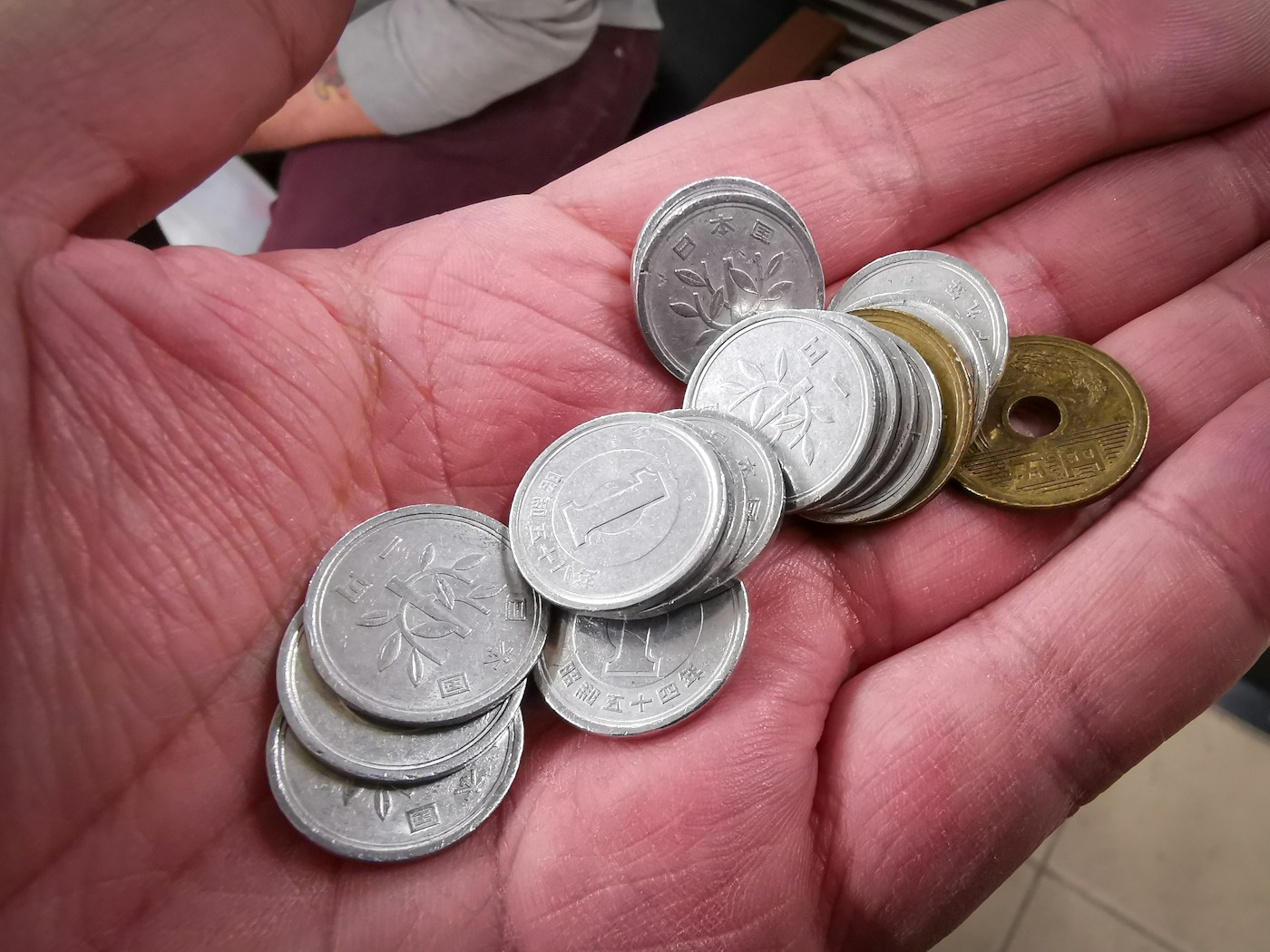
For Ohenro daiko, a full 88-temple proxy pilgrimage, actually walked or ridden, generally lands between 300,000 and 600,000 yen (roughly USD 2,000–4,000).
Plans vary, obviously. But what you want to check isn’t just the headline price — it’s what the price actually covers, line by line. That’s the first real step toward understanding whether a quote is fair or suspicious.
- Full 88 temples, walked or ridden honestly: 300,000–600,000 yen
- Full 88 temples, efficient car-based plan: 200,000–400,000 yen
- Stage-by-stage (per prefecture, etc.): 50,000–150,000 yen per stage
- Single-temple proxy visit: 5,000–10,000 yen per temple
- Ultra-cheap operators (full 88 for tens of thousands of yen): treat as a red flag
A range this wide makes a lot of people nervous. “Why is there such a huge gap?” is a reasonable reaction. But every gap has a reason sitting behind it.
And the fastest way to spot those reasons is this: look at whether the proxy walks the full 88 in one push, or covers it in stages. That single structural choice shifts the whole price.
Full 88-Temple vs. Stage-by-Stage Requests — Where the Price Shifts
Ohenro daiko pricing moves a lot depending on how you ask for it. A full 88 in one go and an 88 spread across stages look similar on paper but behave differently in practice.
- Full 88 in one push: maximum travel efficiency, one continuous loop around Shikoku
- Stage requests: shorter trips, easier to pay in portions, lower commitment per stage
- One-push totals look bigger, but the per-temple unit cost is usually lower
- Stage requests let you pay across several months, which feels lighter
- Single-temple requests are the most convenient, but the highest unit price
For example: a full 88 at 400,000 yen vs. four stages at 100,000 yen each (also 400,000 yen total). Same money, different experience. The full-push version gets you a proxy walking the whole route in one flow, which tends to preserve the continuity of the prayer in a way split trips don’t quite match.
Stage requests, on the other hand, let you try one stage, see how it lands, then commit to the next — which is genuinely reassuring for first-time clients.
Inside the Price Tag — The Five Things You’re Actually Paying For
Before you label an Ohenro daiko quote “too expensive” or “suspiciously cheap,” break the price into its pieces first.
Most operators just list “88 temples — XXX yen” and stop there. But inside that number, there are five very different kinds of cost bundled together — temple fees, transport, day rate, lodging, and pilgrim gear. They don’t behave the same way at all.
- Nokyo fees (temple stamps): 500 yen × 88 = 44,000 yen
- Transport: the fuel, tolls, and ferry fares for a full Shikoku loop
- Day rate: the proxy pilgrim’s labor across a month-plus of fieldwork
- Lodging: roughly a month of inn stays, even at the cheap end
- Gear: byakue (white robe), osamefuda, nokyocho stamp book, kongo-zue staff, etc.
Of those five, temple fees and transport are hard costs that nobody can negotiate away. No provider, no matter how lean they run, can make those numbers go down.
Which means: if you calculate those two alone, you already know roughly what percentage of the quote is actually “service fee.”
The 2024 Nokyo Fee Change — Why Hard Costs Stack Up Fast
First thing to know: in 2024, the Shikoku 88-Temple Reijokai (the official temple association) raised the nokyo stamp fee to a flat 500 yen per temple.
It used to be 300 yen. From April 2024 onward, every stamp in a nokyocho is 500 yen, which means 44,000 yen in hard costs just for the full 88-temple set.
- Through March 2024: 300 yen × 88 = 26,400 yen
- From April 2024: 500 yen × 88 = 44,000 yen (+17,600 yen)
- Add stamps on a hanging scroll or white robe, and the total goes up further
- This fee is paid by the provider at each temple — every legitimate plan has it baked in
- If nokyo fees look suspiciously low, the provider may not be returning the real stamp book
In other words, any real Ohenro daiko quote has a minimum of 44,000 yen in nokyo fees sitting inside it. That part is non-negotiable.
Transport is the same story. A full Shikoku loop is around 1,400 km. By car you’re looking at 50,000–100,000 yen in fuel, tolls, and ferries, and even by motorcycle it’s 30,000–60,000 yen in hard costs.
- Nokyo fees: 44,000 yen
- Transport (car estimate): ~80,000 yen
- Gear (byakue, osamefuda, nokyocho, kongo-zue): 15,000–30,000 yen
- Lodging (~35 days, budget inn at 5,000 yen/night): ~175,000 yen
- Hard-cost total: roughly 310,000–330,000 yen
At that point you can already see: just physically getting one person around all 88 temples leaves almost nothing for the provider’s margin.
On top of that stack comes the day rate — the proxy pilgrim’s labor for spending a month-plus away from everything else in their life. That’s what pushes the number toward the true total.
And that’s exactly where the 300,000–600,000 yen range for Ohenro daiko cost comes from.
Before You Call It Expensive — What You’re Really Buying With Ohenro Daiko Cost
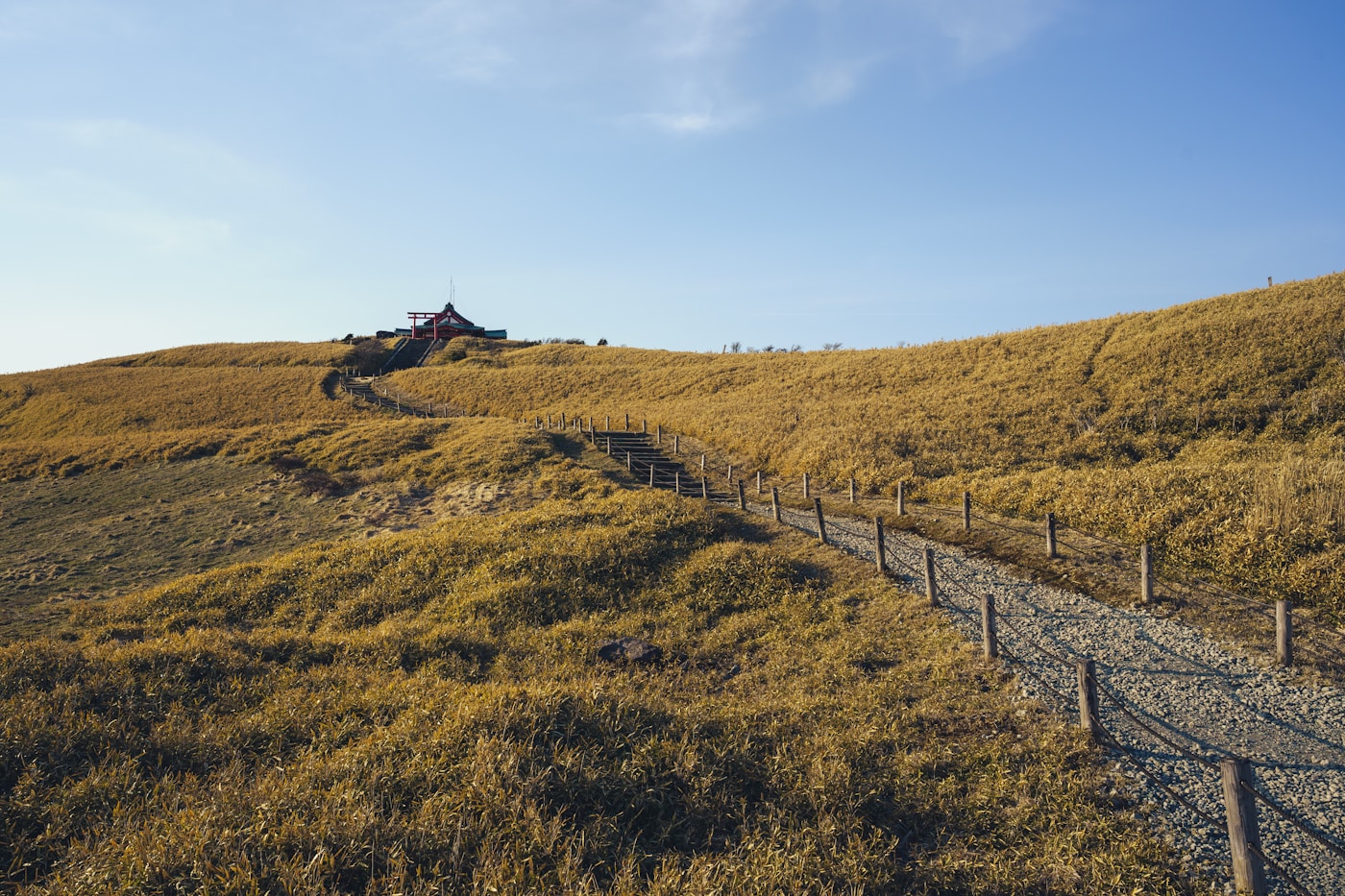
The main reason Ohenro daiko cost can feel high is that in everyday life, we rarely hire anyone to do something continuously for over a month.
But the whole point of a pilgrimage is that the meaning lives inside the time spent walking it. So that time shows up, directly, in the price.
Anyone who’s actually ridden or walked the route learns something else fast: the 88 temples aren’t clustered together. They’re spread around all four prefectures of Shikoku.
- Tokushima (Dojo of Awakening Faith): temples 1–23
- Kochi (Dojo of Ascetic Training): temples 24–39
- Ehime (Dojo of Enlightenment): temples 40–65
- Kagawa (Dojo of Nirvana): temples 66–88
Full route: roughly 1,400 km — about 40–45 days on foot, 10–12 days by car.
For one proxy pilgrim to walk that distance carrying the client’s prayer with real care, it’s going to take a month or more, period.
Why 88 Temples’ Worth of Walking Days Translates Directly Into Price
The single biggest driver of Ohenro daiko cost is how many days the proxy spends physically in Shikoku.
On foot: 40–45 days. By motorcycle or car: 10–15 days. During that stretch, the proxy can’t work anything else, and their living expenses, lodging, and transport keep running the whole time.
- Walking proxy (40–45 days): 15,000 yen/day × 40 = 600,000+ yen in labor alone
- Motorcycle proxy (10–15 days): 15,000 yen × 12 = ~180,000 yen in labor
- Car proxy (10–12 days): 15,000 yen × 11 = ~165,000 yen in labor
- On top of that, daily lodging, meals, and transport keep adding up
- The only way to “make it cheap” is to cut days somewhere
So here’s the bluntest version: the only real lever for lowering price is shaving days off.
Which means: a suspiciously cheap quote is either a proxy sprinting through the 88 too fast, or a proxy who isn’t actually doing all 88. One of the two.
Proper proxy pilgrimage means arriving at each temple, writing the client’s name and prayer on an osamefuda, chanting the sutras, and only then moving to the next one. Doing that 88 times takes real time — physically and mentally.
- Bowing at the sanmon gate and purifying at the water basin: ~5 min
- Sutra chanting at the main hall (Heart Sutra + mantra): 10–15 min
- Sutra chanting at the Daishi-do (hall for Kobo Daishi): 10–15 min
- Receiving the nokyo stamp at the office: ~10 min (up to 30+ when crowded)
Total: roughly 40–60 minutes per temple on average.
Just the on-site worship alone adds up to 60–90 hours across all 88 temples — before any travel between them is counted.
For the full picture on what an Ohenro pilgrimage costs overall (not just proxies), see The Real Cost of Walking Shikoku’s 88-Temple Ohenro — A Full Breakdown for 2026 too.
When Cheap Is a Red Flag — Three Ways to Tell Fair Pricing From Skipped Work
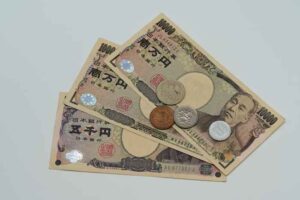
Given what we’ve just seen — hard costs alone for a full 88-temple proxy pilgrimage come out to roughly 300,000 yen.
With that floor in mind, any provider pricing themselves well below the realistic range tends to share a specific set of warning signs.
- Does the site clearly state they physically walk or ride all 88 temples?
- Is the price breakdown (nokyo, transport, day rate, lodging) actually disclosed?
- Do they return the real nokyocho (stamped book) and white robe to you?
Miss any of these three and you risk ending up with a “cheap” service where nobody can confirm the pilgrimage was actually carried out.
Are They Actually Walking the 88? — The First Filter
The very first thing to check, ahead of everything else, is whether the provider actually covers all 88 temples.
Trustworthy operators state this plainly on their site. If the page doesn’t somewhere say “we physically visit all 88 Shikoku temples by foot / car / motorcycle,” the proxy work behind it is suspicious.
- The proxy pilgrim’s face, background, and profile are publicly shown
- Past pilgrimage records, photos, or blog posts are visible
- Road-side reports (weather, route conditions, temple visits) are shared along the way
- The real stamped nokyocho is returned to you after the pilgrimage
- All 88 temple stamps are present and complete when it comes back
By contrast, a provider with no named proxy, no photos, no records, and no physical nokyocho return has no way to demonstrate that any pilgrimage actually happened.
Proxy pilgrimage is “trusting someone else to walk it for you” — but that’s not the same as “handing over money without checking anything.” Insist on providers that give you something to confirm the work.
What Tends to Go Wrong With Suspiciously Cheap Operators
Operators who undercut the realistic range by a wide margin tend to share a predictable pattern of problems.
- They skip most of the 88 and only cover a handful, then hand over stamps
- They don’t return the real nokyocho, only an in-house “certificate”
- They go silent mid-project — no progress updates
- There’s no way to confirm the proxy exists (the work may be quietly outsourced)
- No aftercare — questions after the pilgrimage go unanswered
Problems like these hollow out the whole purpose of a proxy pilgrimage, which is to carry the prayer to the actual temples.
Even at half the price, if your parent’s prayer never actually reaches the temples, the “savings” buy you nothing real.
Ohenro daiko isn’t a service you should pick on price alone. The real question is: will this provider actually carry your parent’s prayer to each temple? Before you compare prices, check the operator info, the proxy pilgrim’s profile, the return policy for the nokyocho, and past pilgrimage records.
For a deeper look at how to judge proxy providers overall, see What Is Daisan? The Centuries-Old Ohenro Custom of Walking on Someone Else’s Behalf as well.
Ohenro Daiko Cost — Frequently Asked Questions
- Why is there such a huge spread in Ohenro daiko pricing between providers?
-
Three things: mode of travel (walking vs. motorcycle vs. car), total days in the field, and how the proxy’s labor is structured. A provider walking for 40+ days has a very different cost base than one covering the loop by car in 10 days — and whether the proxy is an in-house staff member or outsourced also shifts the math. Providers who physically return the real nokyocho and white robe do more work than those who settle for photos. The clearest test is whether the provider discloses what’s inside the price: when the breakdown is open, the gap between quotes makes sense almost every time.
- I heard the nokyo fee changed in 2024 — does that actually affect proxy pricing?
-
It does. In April 2024, the Shikoku 88-Temple Reijokai raised the nokyocho stamp fee from 300 yen to 500 yen, which adds 17,600 yen in hard costs across 88 temples. Any serious Ohenro daiko provider has rebuilt their pricing to include the new figure. If a provider has kept their price completely unchanged since 2024 and won’t explain why, that’s worth a follow-up question about how they’re handling the nokyo fee line specifically.
- Why does the per-temple cost go up when I request stage-by-stage instead of the full 88?
-
With stage requests, the proxy pilgrim travels to Shikoku for just one prefecture (or a handful) at a time, which means round-trip transport, local lodging, and set-up/teardown time get booked fresh for each stage. Doing all 88 in one push absorbs that setup cost once, so the per-temple number drops. Stage requests suit people who want smaller, manageable payments or who want to try one stage before committing to more — but on pure total, they usually run slightly higher than the equivalent full-push plan.
- What’s a reasonable price for a single-temple proxy visit?
-
It depends on the provider, but single-temple proxy visits usually run around 5,000 to 10,000 yen. That price point generally assumes the proxy is already near that particular temple — if a provider has to travel to Shikoku specifically to visit one temple for one client, expect the cost to rise. Single-temple requests are a good fit for a favorite temple, a family-connected temple, or any specific site someone wants a prayer carried to. Just confirm up front whether the proxy’s schedule can actually accommodate the timing you need.
- Is it rude to ask a provider for a detailed cost breakdown before booking?
-
Not at all — it’s the opposite. Entrusting your prayer to someone else is a meaningful act, and asking what’s inside the price before you commit is part of being a responsible client. Trustworthy providers will walk you through nokyo fees, transport, day rate, and lodging without hesitation. How they respond to that question is itself a strong signal of the operator’s character, so ask plainly. If a provider dodges the question or refuses to show the breakdown, that’s a sign to step back and look at other options.
Ohenro Daiko Cost Makes Sense Once You See Its Breakdown
That’s the map — pricing range, cost components, and how to tell a fair quote from a skipped one.
The one thing worth leaving with: Ohenro daiko cost is built to make sense once you know the breakdown behind it.
44,000 yen in temple stamps, the fuel and tolls of a 1,400 km Shikoku loop, a proxy pilgrim’s month-long labor, gear, lodging — stack all of that together and the 300,000–600,000 yen range stops feeling inflated and starts feeling reasonable.
- Full 88-temple range: 300,000–600,000 yen. Stage requests: 50,000–150,000 per stage
- Five cost components: nokyo fees, transport, day rate, lodging, gear
- Post-2024 nokyo fee is 500 yen/temple, or 44,000 yen in hard costs just for stamps
- Days in the field drive labor cost directly — that’s the core lever
- Quotes far below the realistic range usually mean skipped work
- Check operator info, proxy profile, and nokyocho return policy before price
“So where do I actually book a proxy pilgrimage I can trust?” — if that’s where you’ve landed, here’s our honest pitch.
Ohenro Gift-Bin offers a proxy pilgrimage with every cost line fully disclosed and all 88 temples physically visited, one by one.
- Every cost component — nokyo, transport, day rate, lodging, gear — is disclosed openly
- All 88 temples are physically visited by motorcycle, never skipped
- Your loved one’s prayer is written on the white robe and osamefuda before departure
- The real nokyocho and a full pilgrimage record are returned to you
- No “guaranteed blessings” language — only honest, faithful prayer delivered
You get every number explained before you decide whether to book at all — that’s the stance.
Initial consultations are free. A message as simple as, “I’d like someone to walk the 88 temples on behalf of my parent — what would that cost?” is more than enough to start a conversation.
Full plan details, pricing breakdown, and the booking flow live at the Ohenro Gift-Bin plan page.
![[Ohenro]Shikoku Pilgrimage Proxy Service: Costs and How to Choose a Trusted Provider](https://ohenro-gift.com/en/giftohenro369/wp-content/uploads/2026/03/agency_thumb-300x200.jpg)