Year-End Reflection Prayer Through Daisan: A Way to Close Out Your Year, Just for Yourself
If that’s where your head is at, you’re far from alone — more people sit with this than you’d think.
The pull at year-end to “actually create my own turning point” shows up after the work and the household sprint of the year. Late December surfaces it.
The local shrine’s quick prayer feels light. Wanting one quieter step deeper, facing yourself. “A closing prayer for myself” — more people are reaching for this every year.
In this article, I’ll lay out requesting daisan as a year-end turning-point prayer for yourself, the way I see it.
- What’s actually behind that “I want to do something” feeling at year-end
- How daisan differs from a shrine thank-you visit
- Shrine vs. temple — which fits better for year-end reflection
- What Shikoku 88-temple daisan delivers as a year’s worth of prayer
- The booking flow and the deadlines for landing the nōkyōchō by year-end

What “Prayer Just for Yourself” at the Year-End Turning Point Means
Year-end prayer typically means a thank-you visit before New Year’s. Lately though, more people want “prayer just for themselves” that’s different from that.
What’s underneath that feeling? Let me work through it.
What’s behind the “I want to do something” pull at year-end
Once December hits, the feeling of “can I really just roll into the new year like this?” shows up. It’s separate from the work parties and the New Year’s cards — it operates one layer deeper.
Here’s what’s underneath.
- The instinct for time markers: a cultural pull toward “one year” as a unit
- Quiet gratitude for getting through: an unspoken thank-you for health, work, family
- Setting intent for the next year: wanting to clean up before stepping into the new year
- Age-driven turning points: the older you get, the more weight one year carries
- A pull away from the daily rush: wanting quiet, away from the busyness, to face yourself
What ties these together: “wanting to close out the year just for myself — not for SNS, not for family, just for me.”
If the year’s been “a real career turning point” or “a year of big family changes” or “a year I worked hard and feel I earned”, the urge to put a turning-point prayer into tangible form runs even stronger.
Daisan: a different kind of prayer than a shrine visit
The standard year-end prayer is a shrine thank-you visit — going to the local tutelary deity or the shrine you did hatsumōde at, to say “I made it through, thank you.”
That said, the shrine visit has limits.
- No time: year-end busyness blocks the visit
- Living far away: can’t get back to your home shrine
- Feels light: the thank-you visit alone doesn’t feel like enough of a turning point
- Five minutes: too short to actually face yourself
- Limited target: focused on this-life benefits at one shrine
Which is why daisan is increasingly chosen. A thousand-year-old Buddhist method where someone delivers prayer at a sacred site on your behalf — even when you can’t move yourself.
Shikoku 88-temple daisan in particular fits the year-end turning point. If a shrine visit is “a single quick bow,” daisan is “a year’s worth of reflection across 88 temples.”
“Shrine thank-you + daisan” is also a natural combination. Quick thanks at the shrine, deeper reflection through the temple-side daisan. Splitting by role and using both is becoming more common.
Why Daisan Gets Picked for the Year-End Reflection Prayer
Why daisan keeps getting picked at year-end comes down to specific properties no other prayer form has.
Shrine vs. temple — which fits year-end reflection
The two have different prayer directions. For year-end reflection specifically, which fits?
Side by side.
| Aspect | Shrine | Temple (incl. daisan) |
|---|---|---|
| Direction of prayer | This-life happiness | Soul, reflection, gratitude |
| What it suits | Business, love connections | Reflection, thanks, intent for next year |
| Time investment: | Done in minutes | Sustained, deeper engagement |
| Record | Goshuin (single shrine) | Nōkyōchō (88-temple record) |
| Visits during kichū | Skip | Fine |
| Fit for turning point | Prayer for next year | Closing out this year |
Bottom line: for “reflecting on, thanking, and centering around this year,” temples (and daisan) fit better. Shrine = prayer toward next year; temple = closing this year out. That framing makes it cleaner.
What Shikoku 88-temple daisan delivers as a year’s worth of prayer
The Shikoku 88 covers 88 temples and roughly 1,200 km. To carry the weight of a full year of reflection, that scale is what makes it land.
Here’s what year-end daisan delivers.
- A real nōkyōchō: seals and calligraphy from all 88 temples — a record of the pilgrimage
- Pilgrimage report: photos, video, GPS records from each temple
- Byakue dedication: the white pilgrim’s coat with your name dedicated
- “Dōgyō ninin” with Kobo Daishi: the prayer carried under a thousand-year framework
- A record of the year’s prayer intent: gratitude, reflection, intent — written down
The real nōkyōchō, placed on the alcove or family altar at year-end, becomes “proof of the year”. Opening it on New Year’s Eve recreates the reflection time itself.
Buddhism’s “ekō (廻向)” framework holds that the merit accumulated by the living can be redirected to others. Year-end daisan is for yourself but also threads into gratitude and prayer for family and people around you.
For the depth of the prayer itself, “Serious ganakake at the Shikoku 88: how daisan delivers real prayer” goes deeper. Worth pairing if you want a serious year-end prayer.
For seasonal-turning-point uses of daisan, “Obon memorial through ohenro daisan” is also worth a look. Using daisan across seasonal turning points is a growing pattern.
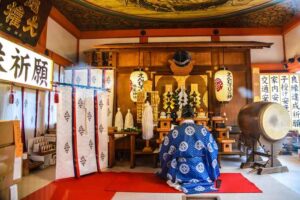
Booking Year-End Daisan: Process and Year-End Deadlines
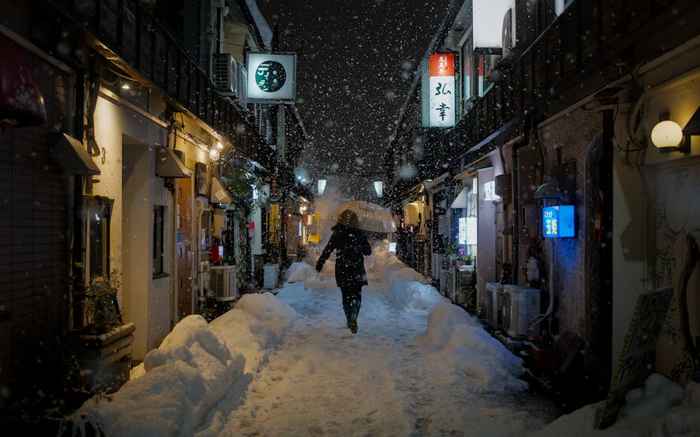
Booking year-end daisan involves specific time constraints. “Book in December, get the nōkyōchō by year-end” doesn’t actually work in practice.
Flow from booking to completion and reporting
Here’s the standard daisan flow.
- ①Inquiry via LINE or free consultation: share prayer intent and timing
- ②Formal booking and payment: pick a plan and lock it in
- ③Pilgrimage starts: the proxy heads to Shikoku and walks the 88 in order
- ④Progress updates: regular photos and video sent through
- ⑤Pilgrimage complete and nōkyōchō shipped: full route done, nōkyōchō delivered
The Shikoku 88 daisan takes 45–60 days for the full route. It’s a real walking pilgrimage, so booking with real lead time is essential.
Which means “land the nōkyōchō by year-end” requires booking by around October. Last-minute requests won’t make it before year-end — moving early is the move.
Pricing, notes, and December cutoffs
Pricing and year-end-specific notes.
| Item | Detail |
|---|---|
| Light plan | ¥700,000 (44 temples) |
| Standard plan | ¥1,200,000 (all 88) |
| Pilgrimage duration | 20–30 days or 45–60 days |
| Year-end nōkyōchō delivery | Book by October as a guideline |
| New-year delivery is fine | Nov–Dec booking → January+ delivery |
| Payment | Bank transfer, credit card |
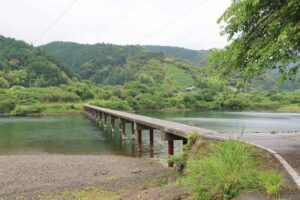
One thing worth knowing: “winter weather in Shikoku.” Some mountain temples get snow, so late-December schedules may need flexibility. Early conversation is reassuring.
For comparing daisan against other paths, “Comparing the ohenro options: bus tour, proxy, walking pilgrimage” walks through the alternatives. Worth pairing if you’re weighing more than just daisan.
For broader provider-selection guidance, the complete ohenro daisan guide walks through the criteria.
FAQ on Choosing Year-End Daisan
- If I book year-end daisan, will the nōkyōchō land before year-end?
- Is doing both a shrine thank-you and daisan a problem?
- Is daisan “for myself” inappropriate?
- For year-end daisan, how should I word the prayer intent?
- How is ohenro daisan different from other proxy services?
We’ll Deliver the Year-End Reflection Prayer for You, From Shikoku
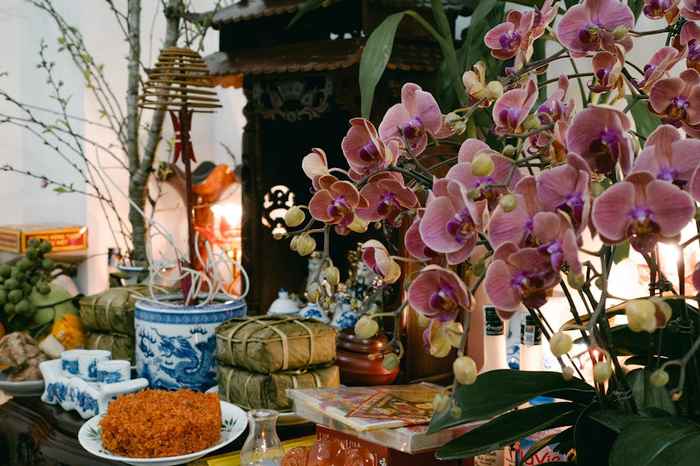
Year-end daisan is “reclaiming the personal turning point” from inside the rush. Not for SNS, not for family — pure prayer just for yourself.
The kind of “year-end reflection prayer” a shrine thank-you visit can’t quite hold — delivered at the 88-temple scale. As a year-end / New-Year’s turning-point memorial, it carries real weight.
- The “I want to do something” feeling at year-end is a natural pull toward a turning point
- Shrine = “prayer toward next year”; temple-side daisan = “reflection on this year”
- Shikoku 88 daisan delivers a real nōkyōchō to your hands
- For year-end delivery, October is the booking guideline
- “Daisan for yourself” is a fully legitimate Buddhist form, not selfish
If “this year was a real turning point” or “I want a closing my year deserves” describes the feeling — Ohenro Gift Bin, walking the 88 to deliver prayer, is one option to consider.
A real nōkyōchō and a record of the pilgrimage land as proof of the year-end turning-point prayer. Place it on the alcove or family altar — the time of looking back over the year shows up.
For pricing, the mechanics, or how to time it for year-end — anything worth asking, please reach out via the plan and LINE consultation page. Even just a question is fine.
“Is daisan for myself okay?” “How should I word the intent?” — specific questions get straight, honest answers, one at a time. Moving forward only when you’re convinced is what we want too.
For a year you worked hard, a turning-point prayer at the 88-temple scale. That depth of quiet — hard to find inside daily life — is worth experiencing.
▼Related reads
![[Ohenro]Shikoku Pilgrimage Proxy Service: Costs and How to Choose a Trusted Provider](https://ohenro-gift.com/en/giftohenro369/wp-content/uploads/2026/03/agency_thumb-300x200.jpg)