
When the Body Can’t Move: How to Pray, Stay Connected, and Deliver Prayer Through Daisan
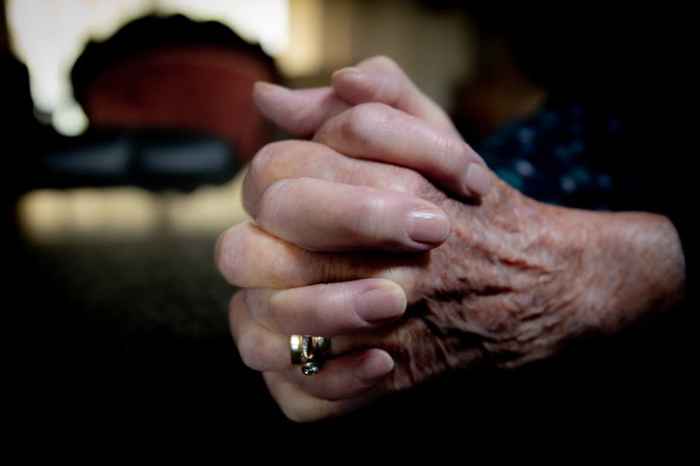
If that’s where your head is at, you’re far from alone — more people sit with this than you’d think.
Even when the body can’t move, the urge to pray doesn’t fade. If anything — being unable to leave home tends to make prayer for family deepen, not weaken.
Bedridden, long-term illness, leaving home is hard. “If I can’t visit a shrine or temple, I can’t pray” — easy to assume. But “ways to deliver prayer without leaving home” exist in real terms today.
In this article, I’ll lay out real ways to deliver prayer when the body can’t move, the way I see it.
- Why the urge to pray doesn’t fade when leaving home becomes hard
- How to handle the “I can’t go myself” guilt
- What praying internally actually means and does
- Concrete prayer formats accessible from home
- How daisan delivers prayer to the Shikoku 88 on your behalf
The Urge to Pray When the Body Can’t Move

When the body can’t move and leaving home is hard, the urge to pray often deepens rather than fading. Worth sorting out what’s underneath.
Why the urge to pray doesn’t disappear when bedridden
Bedridden, long-term care, leaving home is hard — and yet the urge to pray stays. Why.
- Love for family: precisely because you can’t move, family wellbeing matters more
- Time available: stepping out of daily-life rush opens up reflective time
- Wider perspective: when the body slows, the past-and-future view widens
- Powerlessness inverted: “I can’t do anything” turns into prayer
- Confronting life: more moments of facing your own and your family’s life
So “the structural conditions for prayer to deepen exist when you can’t move.” The longings that didn’t surface when healthy emerge naturally when the body stops.
Picture “someone in their 80s, mostly bedridden from chronic illness.” They wholeheartedly pray for family — children, grandchildren — and yet, with no way to physically express it, they feel locked in.
Working through the “I can’t go myself” guilt
What many leave-home-difficult folks carry is guilt about “I can’t worship myself”. Understanding the structure of that feeling clarifies the response.
What’s underneath the guilt.
- “Prayer = physical worship” as fixed: visit and prayer treated as one
- Comparison to healthy past self: “I used to be able to”
- Apology to family: “I’m causing trouble”
- Distance from social expectation: “I want to do it right but can’t”
- No alternative known: “other paths” aren’t visible
What ties these together: the assumption “prayer = physical worship.” The original Buddhist view actually puts intent ahead of form.
For broader thinking on prayer when you can’t leave home, “Sending ohenro daisan to a hospitalized family member” walks through it. Ways to deliver prayer when you can’t move sit there.
How to Pray When the Body Can’t Move: What You Can Do Yourself
Even when leaving home is hard, forms of prayer you can do yourself exist. Concretely.
What internal prayer actually means and does
The simplest form of “praying without going to a shrine or temple” is “praying in your heart”. Not a formality — this is the original shape of prayer.
What internal prayer carries.
- The original Buddhist form: intent over form
- Doable anywhere, anytime: zero physical capacity required
- Convertible to prayer for others: not for yourself — for family
- Stabilizes the heart: praying itself has psychological effects
- Can be made habitual: at consistent times — waking, before sleep
So “praying in your heart” isn’t a formal substitute — it’s the essence of prayer. For people physically unable to move, it’s the purest possible delivery of prayer.
Concrete prayer formats accessible from home
On top of internal prayer, concrete prayer formats accessible from home exist.
- Hands together at the family altar: morning and evening as habit
- Sutra copying: shorter sutras matching your strength
- Holding nenju (prayer beads): bedridden-accessible
- Omamori / ofuda at bedside: a physical anchor for prayer
- Mailed-in prayer requests: send the offering to a shrine/temple for them to pray
- Online worship: livestream-based participation in temple services
Especially sutra copying or holding nenju in prayer work even for bedridden folks. With zero physical capacity, you can still carve out time for heart and intent to face prayer.
Daisan as an Option for Bedridden / Leave-Home-Difficult Folks
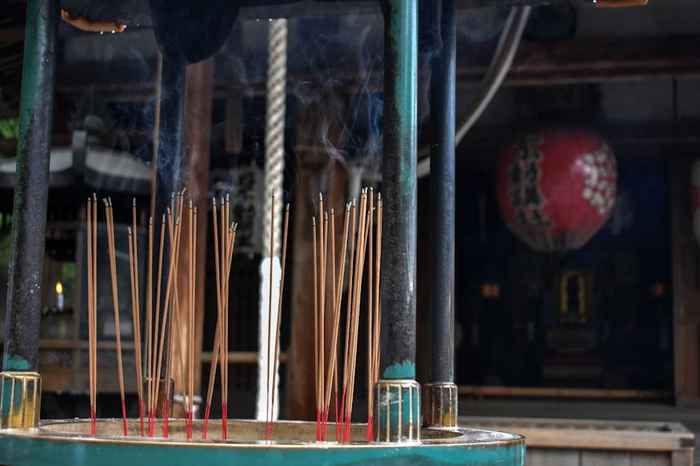
For leave-home-difficult folks who think “I want to deliver real prayer at sacred sites”, daisan is the option.
What daisan is: getting someone to pray on your behalf
Daisan (代参) is “someone else worshipping and praying on your behalf”. When you can’t move yourself, you entrust the prayer to another person.
Daisan’s character.
- Over a thousand years of history: established as a Buddhist practice (Edo-era O-Ise mairi, etc.)
- “Ekō (廻向)” framework: others’ prayers can be received as your own
- Specialist providers exist: daisan-specific services are available
- A physical record stays: nōkyōchō and pilgrimage report arrive in report arrive in your hands
- Home-completable: booking and receipt all from home
So daisan is “a Buddhistically legitimate way of delivering prayer for those who can’t move.” Not a “compromise on prayer” — a serious method with a thousand-plus years of history.
For the broader concept and history, “What is ohenro daisan? The difference from proxy services and the meaning” walks through it. Worth pairing if you want the basics.
The ohenro daisan flow for delivering prayer to the Shikoku 88
Among daisan options, Shikoku 88-temple ohenro daisan stands out for scale, and is increasingly picked by leave-home-difficult folks for serious prayer.
The booking-to-completion flow.
- ①Inquiry via LINE / free consultation: share prayer content and target timing (no phone)
- ②Formal booking and payment: pick a plan, lock it in (home-completable)
- ③Pilgrimage starts: the proxy heads to Shikoku and walks the 88 in order
- ④Progress updates: photos and video as it progresses (family can watch)
- ⑤Pilgrimage complete and nōkyōchō shipped: real nōkyōchō delivered to your home
For leave-home-difficult folks, the biggest advantage is “the entire process completes from home.” No phone or in-person needed; you can self-pace via LINE.
For more on serious prayer, “Serious ganakake at the Shikoku 88” is also worth a look. Real prayer from people who can’t leave home sits there.

FAQ for People Who Can’t Move or Leave Home
- Even bedridden, does internal prayer alone really mean something?
- Can I request daisan even when nearly bedridden?
- I feel guilty about not being able to go myself. How do I handle that?
- How is mailed-in prayer different from ohenro daisan?
- If leaving home is going to stay hard long-term, can I pray regularly?
Even When the Body Can’t Move, Prayer Can Be Delivered
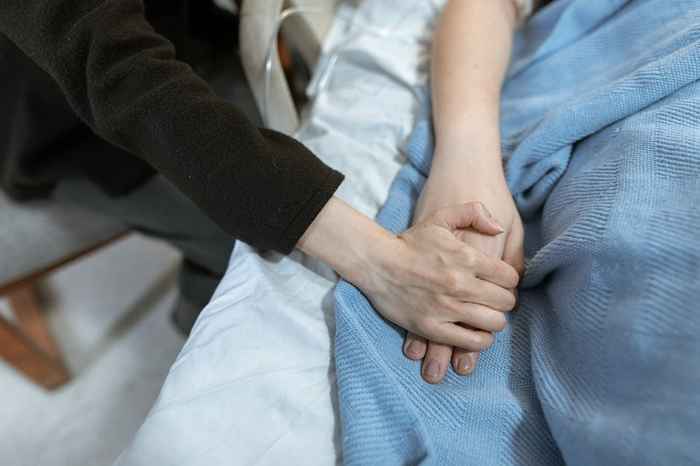
Even when the body can’t move and leaving home is hard, ways to deliver prayer exist. Just knowing “can’t go ≠ can’t pray” lifts the weight on the heart.
Pray internally, pray from home, request daisan. Pick a form that fits “what your body allows” — match prayer formats to your physical capacity.
- The urge to pray doesn’t fade when the body can’t move
- “I can’t go myself” guilt isn’t something to keep carrying
- Internal prayer is the original Buddhist form of prayer
- Home-accessible prayer formats are wider than expected
- Daisan delivers serious prayer with a real nōkyōchō to keep
If “my body can’t move, but I want to deliver real prayer for my family“ describes the feeling — Ohenro Gift Bin, walking the 88 temples to deliver prayer, is one option to consider.
A real nōkyōchō and a record of the pilgrimage land as proof of prayer delivered without moving. Place it on the family altar — daily prayer for the household becomes possible.
If you’re considering daisan, talk through prayer content and timing with a provider first. LINE consultation lets you self-pace — accessible even when leaving home is hard.
For broader provider-selection guidance, the complete ohenro daisan guide walks through the criteria.
For pricing, the mechanics, or how to align with your home-based situation — anything worth asking, please reach out via the plan and LINE consultation page. Even just a question is fine.
“How do I use this for my situation?” “How do I explain it to family?” — specific questions get straight, honest answers, one at a time. Moving forward only when you’re convinced is what we want too.
Even when the body can’t move, prayer can be delivered. Let’s find the option that gives shape to the feeling, together.
▼Related reads
- Sending Ohenro Daisan to a Hospitalized Family Member
- Serious Ganakake at the Shikoku 88: How Daisan Delivers Real Prayer at Life’s Turning Points
- What Is Ohenro Daisan? The Difference From Proxy Services and the Meaning
![[Ohenro]Shikoku Pilgrimage Proxy Service: Costs and How to Choose a Trusted Provider](https://ohenro-gift.com/en/giftohenro369/wp-content/uploads/2026/03/agency_thumb-300x200.jpg)