
Fulfilling a Dream Given Up Due to Illness — In a Different Form: How Entrusting Sets It in Motion

If that’s where your head is at, you’re far from alone — more people sit with this than you’d think.
Even when the body can’t move, “the things I wanted to do” don’t disappear. If anything — the moment they become impossible, the longing sharpens.
Mountain climbing, pilgrimages, overseas travel, the long-held challenge. “Is giving up the only option?” — those are heavy nights.
In this article, I’ll lay out “fulfilling a dream you gave up because of illness, in a different form” as a real option, the way I see it.
- What “I had to give it up” actually does to the heart
- The difference between “giving up” and “fulfilling in a different form”
- The “it doesn’t have to be me” frame as a reframing
- Why entrusting wishes to others gets the dream moving again
- How daisan delivers the wish to the Shikoku 88 in concrete form
Giving Up Because of Illness: The Real Weight of an Abandoned Dream
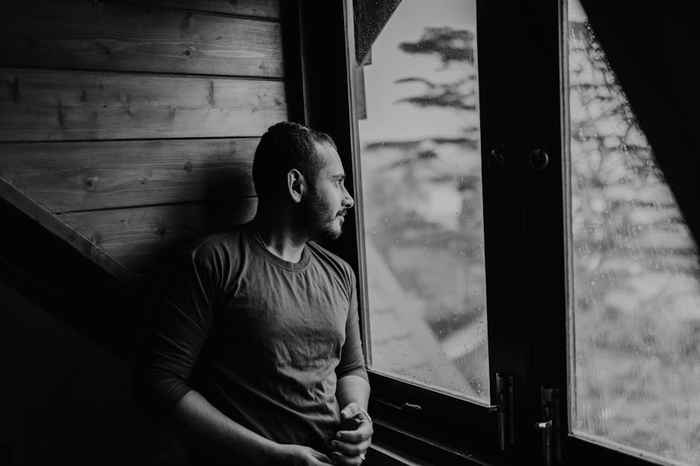
Giving up on something because of illness carries a particular weight — not the same as something just being absent. Let me sort out what’s actually under it.
Why “the thing you wanted to do” doesn’t disappear when the body can’t
Chronic illness, declining stamina, ongoing treatment — physically, things become impossible. And yet, the wish in the heart doesn’t fade. Plenty of people experience this.
What’s underneath that.
- Personhood and longing are separate: the body can’t move, but the “want” stays as part of identity
- Intensity grows over time: not the moment of giving up — afterward, the longing sharpens
- Self-image takes a hit: hard to accept “the version of me that gave up”
- Regret accumulates: “I should have just done it” repeats
- Lack of substitute: “do something else instead” doesn’t fill the gap
So “giving up a dream” isn’t just stopping an action — it’s letting go of part of yourself. That’s why the loss runs deep.
Picture “someone who planned a post-retirement Shikoku ohenro for 20 years, who suddenly can’t walk due to chronic illness right before retirement.” Twenty years of mental preparation suddenly hanging in the air — the loss is real.
The difference between “giving up” and “fulfilling in a different form”
“Giving up” and “fulfilling in a different form” sound similar, but they’re fundamentally different choices. Worth sorting out the difference.
Side by side.
| Aspect | Giving up | Fulfilling in a different form |
|---|---|---|
| Treatment of the wish | Trying to extinguish it internally | Reshaping and using it |
| Mental load | Regret and loss linger | A sense of resolution emerges |
| Action | Nothing happens | An alternative gets executed |
| What remains | Memory of “couldn’t” | Record of “shaped it differently” |
| Family relationship | Resignation spreads | Frame shifts to “supporting together” |
The difference: “deny the wish entirely vs. accept it in a reshaped form.” A foundational difference in stance — and one with major effects on the quality of the second half of life.
For ways to deliver prayer when you can’t move, “Sending ohenro daisan to a hospitalized family member” walks through it. The “deliver the wish even if you can’t move yourself” frame sits there.

How to Fulfill an Illness-Forced-Up Dream in a Different Form
Concretely, what does “in a different form” mean — and what’s the approach? Let me sort it out.
The “it doesn’t have to be me” reframing
Stepping away from “a dream is something you fulfill with your own hands” as a fixed assumption is the first step. The assumption is strong, but worth questioning at the root.
Reframing pivots.
- From “experience” to “delivering the wish”: you don’t need to physically be there
- From “body” to “heart”: not a physical experience — emotional fulfillment as the center
- From “individual” to “family / proxy”: don’t carry it alone
- From “result” to “process”: not “the fact you went” — the fact you delivered something
- From “giving up” to “entrusting”: shift to an active act
What ties these together: “breaking the dream into parts.” Realizing the goal isn’t “to walk a pilgrimage” but “to deliver prayer or a wish” opens up alternative forms.
Why entrusting moves the dream forward
“Entrusting to someone” isn’t just a substitute — it carries the power to set the dream in motion in a new form.
What entrusting unlocks.
- Internal stagnation breaks: from “I can’t move” to “I’m moving something”
- The wish actually moves physically: prayer gets delivered
- Family becomes part of the support: those watching also feel the joy
- A sense of resolution lands: “I did this” sticks
- Self-dialogue deepens: articulating the wish in order to entrust it gets you to know it
Especially “the time spent articulating your own wish” is the essential value of fulfilling-in-a-different-form. The work of making a vague wish explicit is part of “entrusting.”
Entrusting as a Choice: Concrete Ways to Fulfill the Wish
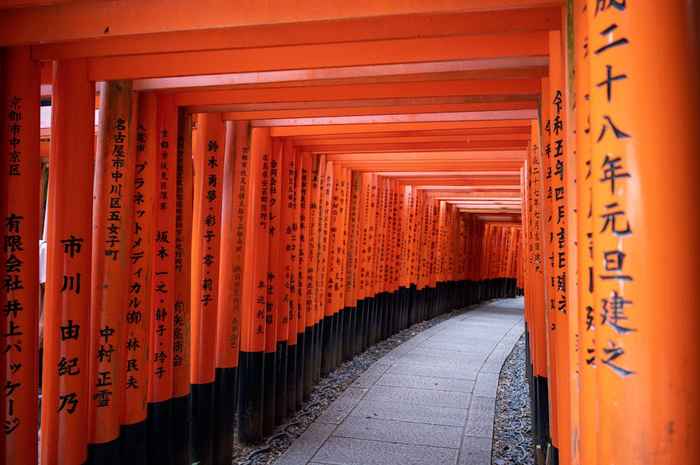
How does “entrusting” actually take shape? Concrete real-world options exist for specific dream categories.
Daisan: delivering the wish and prayer to Shikoku
For people who gave up on the Shikoku ohenro, “daisan (proxy pilgrimage pilgrimage)” is the option. A Buddhist method with over a thousand years of history, where someone else carries the prayer when you can’t.
What daisan delivers.
- Prayer at all 88 temples individually: client’s name and wish carried at each one
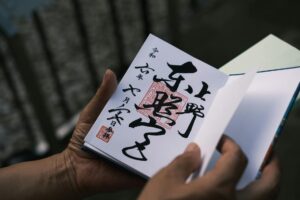
- A real nōkyōchō: seals and calligraphy from all 88 — proof of the pilgrimage
- Pilgrimage report: photos and video from each temple
- Byakue dedication: with the client’s name, recorded
- “Dōgyō ninin” with Kobo Daishi: prayer carried under the thousand-year framework
So daisan is “a way to leave a real prayer and a real record even when you can’t move.” A real participation record arrives in your hands — a substitute for physical pilgrimage that retains substance.
For more on serious prayer when you can’t move, “Serious ganakake at the Shikoku 88” walks through it. Prayer for those whose bodies can’t move sits there.
Picture “someone in their 60s with rheumatoid arthritis who can no longer walk, who’d long dreamed of doing the Shikoku ohenro.” Daisan delivers the wish in a real-nōkyōchō form to their hands.
From booking to completion: the flow that doesn’t strain
The specific flow for requesting daisan. Designed so people in poor health can manage it.
- ①Inquiry via LINE / free consultation: share prayer content and timing (no phone needed)
- ②Formal booking and payment: pick a plan, lock it in (home-completable)
- ③Pilgrimage starts: the proxy heads to Shikoku and walks the 88 in order
- ④Progress updates: photos and video as it progresses (family can watch)
- ⑤Pilgrimage complete and nōkyōchō shipped: real nōkyōchō delivered to your home
The Shikoku 88 daisan takes 45–60 days for the full route. All steps are completable from home, so it’s accessible even when health isn’t at full capacity.
For broader provider-selection guidance, the complete ohenro daisan guide walks through how to avoid picking the wrong one.
FAQ on Fulfilling Illness-Forced-Up Dreams
- Does “fulfilling in a different form” really count as fulfilling the dream?
- Doesn’t asking someone via daisan mean “giving up on my dream”?
- If recovery isn’t expected, isn’t fulfilling-in-a-different-form pointless?
- Can the patient handle the daisan booking themselves?
- If the “dream” is something other than the Shikoku ohenro, are there alternative-form approaches too?
You Don’t Have to Give Up. Entrusting Is an Option.

Even when illness physically takes “the thing you wanted to do” off the table, the wish in your heart doesn’t disappear. It doesn’t have to end as “giving up.”
Reframe to “it doesn’t have to be me.” Entrust ing the wishing the wish gets the dream moving in a different form. That’s the modern option that’s been spreading.
- The pain of an illness-forced-up dream is a natural function of personhood
- “Giving up” and “fulfilling in a different form” are fundamentally different choices
- “It doesn’t have to be me” is the starting reframing
- Entrusting the wish sets the dream in motion in a new form
- For people who gave up on the Shikoku ohenro, daisan is the option
If “chronic illness forced me to give up on the Shikoku ohenro, but I want to fulfill the long-held wish in some form” describes the feeling — Ohenro Gift Bin, walking the 88 temples to deliver prayer, is one option to consider.
A real nōkyōchō and a record of the pilgrimage land as proof you didn’t have to give up. “I couldn’t move, but I fulfilled it in a different form” stays carved deep in the heart.
If you’re considering daisan, talk through the wish content and timing with a provider first. LINE consultation lets you self-pace — accessible even when health isn’t at full capacity.
For pricing, the mechanics, or how to communicate at your own pace — anything worth asking, please reach out via the plan and LINE consultation page. Even just a question is fine.
“How do I use this for my situation?” “How do I explain it to family?” — specific questions get straight, honest answers, one at a time. Moving forward only when you’re convinced is what we want too.
For dreams you thought you had to give up, “the option of fulfilling them in a different form” exists. Don’t drop the possibility until the end.
▼Related reads
- Serious Ganakake at the Shikoku 88: How Daisan Delivers Real Prayer at Life’s Turning Points
- Sending Ohenro Daisan to a Hospitalized Family Member
- Healing Prayer at the Shikoku 88: How Ohenro Daisan Delivers It
![[Ohenro]Shikoku Pilgrimage Proxy Service: Costs and How to Choose a Trusted Provider](https://ohenro-gift.com/en/giftohenro369/wp-content/uploads/2026/03/agency_thumb-300x200.jpg)