When You Can’t Be at Their Bedside: How a Shikoku Proxy Pilgrimage Carries Your Prayers to a Hospitalized Family Member
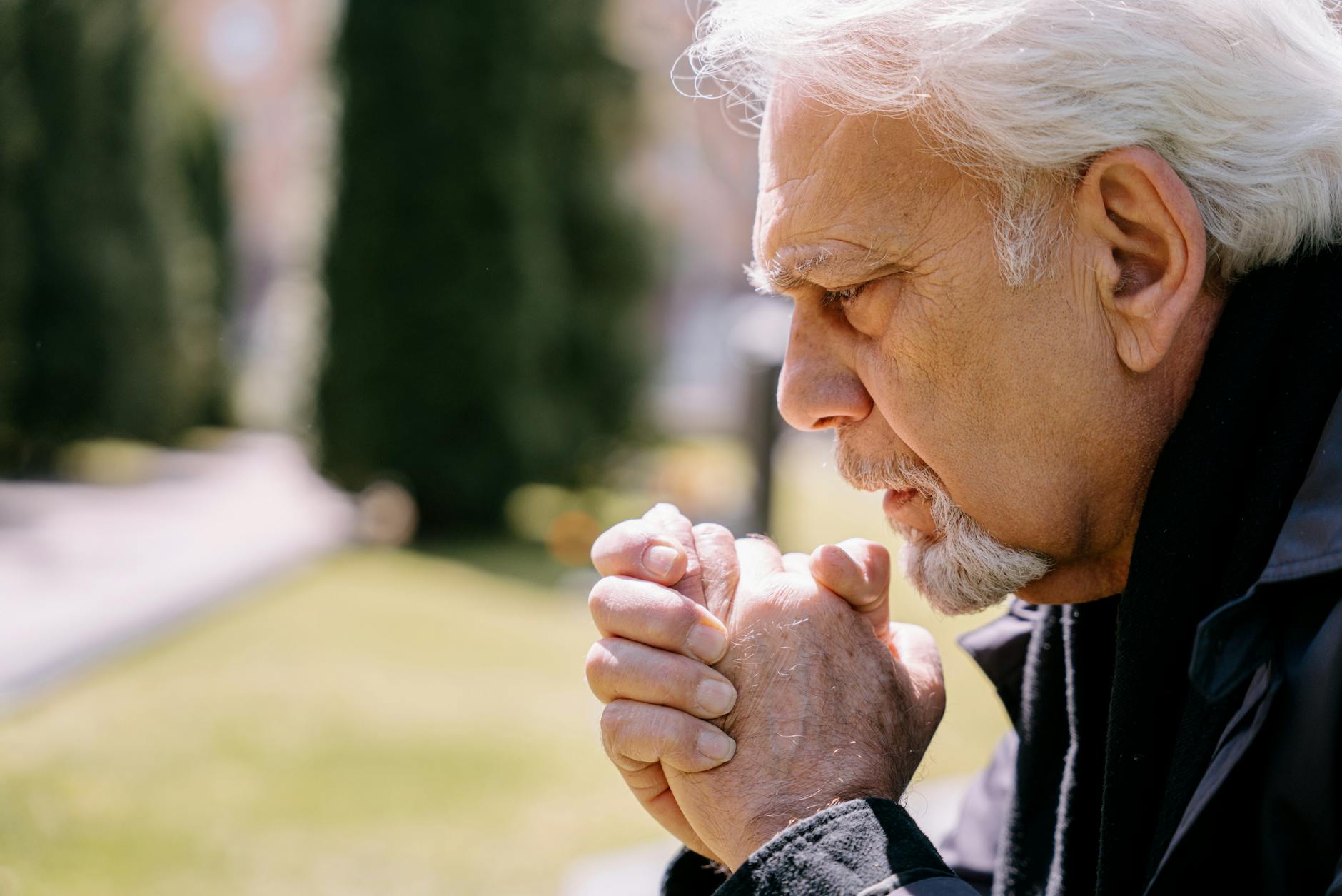
Someone you love is in the hospital, and you can’t fix any of it.
That powerlessness is genuinely heavy. You can visit, you can hold their hand, you can talk about nothing in particular — but the moment you step back into the hallway, you’re reminded that praying is the only thing you actually have left to offer. A quiet, gnawing helplessness follows you home.
When people in Japan couldn’t reach the temples themselves, they used to turn to something called daisan — proxy prayer.
You ask someone else to make the visit, offer the prayer, and carry your wish for recovery. Having someone stand in for you at a sacred place is a form of devotion that’s been practiced for over a thousand years — and a Shikoku proxy pilgrimage falls squarely in that lineage.
- Why the helplessness around a hospitalized family member is so hard to shake
- What a Shikoku proxy pilgrimage is, and how it delivers prayer in place of an omamori
- Three concrete ways a proxy pilgrimage differs from a mailed charm or a care package
- The things worth thinking through before you book a proxy service

Why the Hospital Hallway Feels So Helpless — The Real Shape of “Useless” Family Guilt
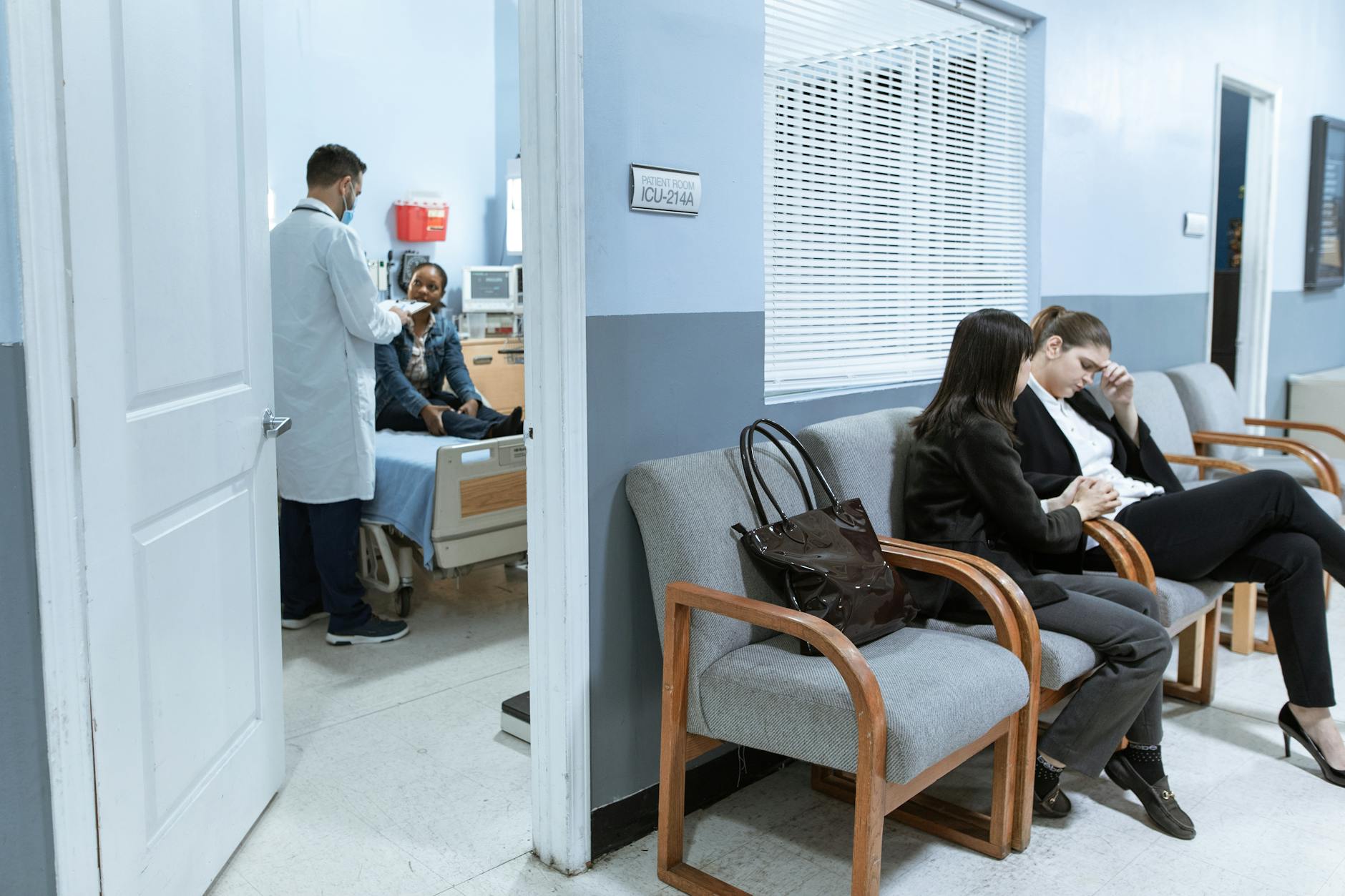
When someone in your family is hospitalized, the amount of time you spend feeling useless is way higher than you’d think.
The doctors handle the medicine. The nurses handle the care. You hand over grapes, you refold a blanket, you say something cheerful. And the whole time, a quieter voice keeps telling you that if you could trade places with them, you would — and that you can’t.
Let’s sit with that feeling for a minute before we talk about solutions.
You’re Not the Only One Feeling Useless — It’s Baked Into the Situation
Watching a family member go through a hospital stay is a textbook recipe for helplessness.
You’re not qualified to weigh in on treatment. If you live far away, you can’t even be there most of the time. “Hang in there” is a painfully small thing to offer, and both sides of the bed know it. That awkwardness isn’t a personal failure — it’s the situation.
In my experience, families carrying this kind of worry tend to circle through a few recurring feelings.
- Survivor’s guilt, small-scale — they’re suffering, you’re going about your normal day, and it feels wrong
- Geography guilt — you can’t visit often because of work, kids, or plain distance, and you feel the cost of that every week
- Medical-side uncertainty — you don’t understand half of what the doctor said, and that powerlessness lingers
- The “I have to do something” pull — if you can’t fix it, you at least want the worry to take some shape
These aren’t signs you’re handling it badly.
They’re actually a fairly reliable signal that you care deeply about the person in that bed. Beating yourself up over feeling useless just adds another layer — you don’t need that one.
Even “Just Go Buy an Omamori” Isn’t Simple Anymore
A lot of people quietly think: fine, I’ll at least go get a healing omamori myself.
Then the logistics hit. Work meetings stacked on top of each other, a kid with an ear infection, and a temple that’s a train ride and a taxi away. The intent is there — the bandwidth simply isn’t. That mismatch is very modern, and very normal.
Here are the situations I hear most often.
- The hospital, the parent’s home, and your job are spread across three different prefectures
- You’ve got kids or older parents depending on you, so a half-day temple run isn’t feasible
- You don’t actually know which temples are known for healing prayer
- Even if you got there, a single small charm feels like it isn’t quite enough for what you’re carrying
That last one is what people rarely say out loud.
You manage to mail an omamori to the hospital room, and a small voice whispers, is that really all I could muster? The weight of your worry and the weight of a palm-sized charm don’t always balance, and people feel that even if they can’t name it.
That gap is where proxy pilgrimage quietly fits.
![[Ohenro]Shikoku Pilgrimage Proxy Service: Costs and How to Choose a Trusted Provider](https://ohenro-gift.com/en/giftohenro369/wp-content/uploads/2026/03/agency_thumb-300x200.jpg)

What a Shikoku Proxy Pilgrimage Actually Is — Choosing to Send Prayers When You Can’t Go Yourself
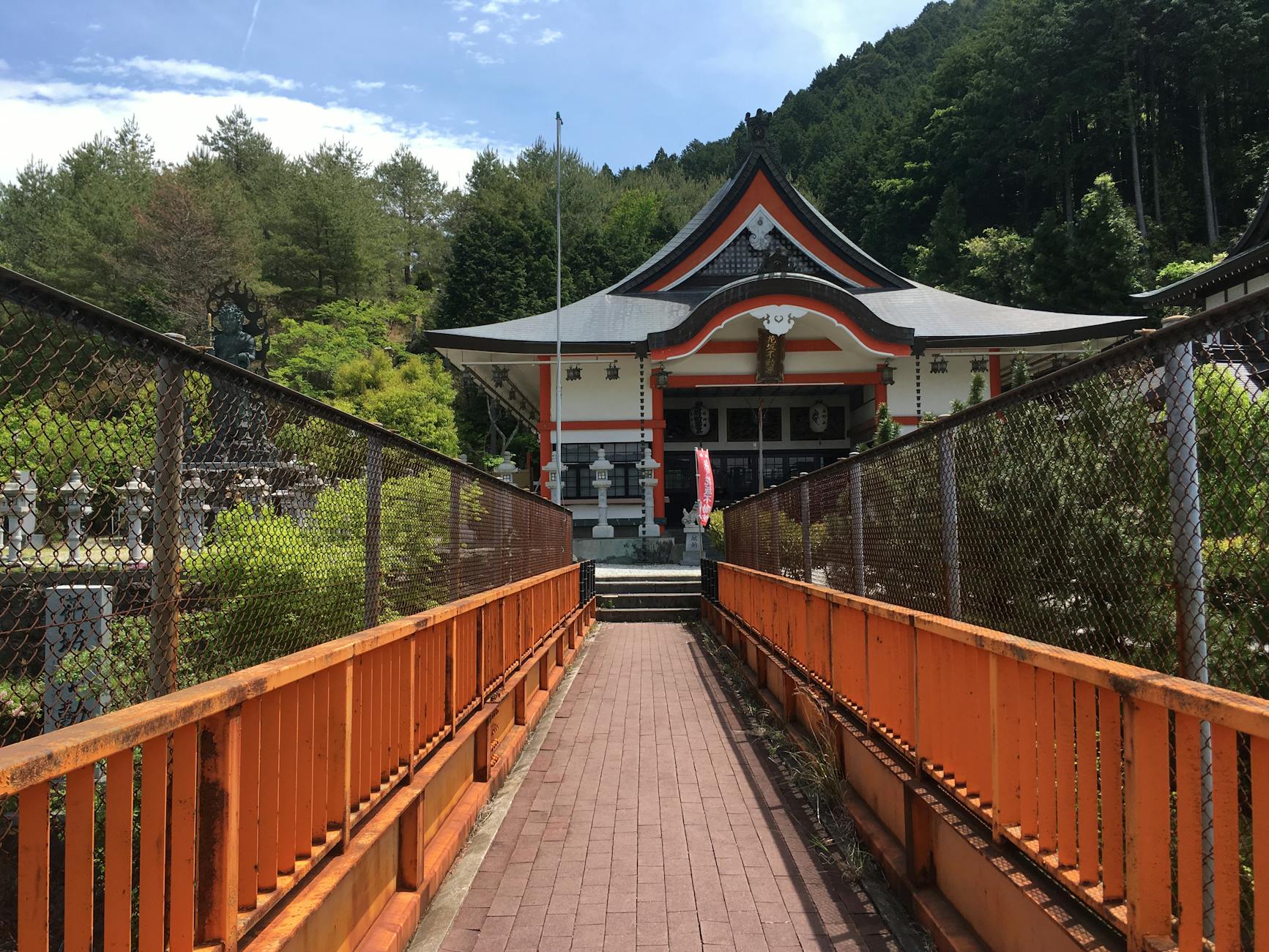
A Shikoku proxy pilgrimage is when pilgrimage is when someone walks the sacred pilgrimage route on your behalf and offers the prayers you wanted to offer yourself.
The premise is simple: even if the person whose prayer it is can’t physically make the trip, the prayer can still get there. That idea has been part of Japanese spiritual life for a very long time. Using it for a hospitalized family member isn’t some clever reinterpretation — it’s exactly the use case it was built for.
Let me sketch out the history of proxy prayer, and then connect it to Ohenro specifically.
Daisan: A Thousand-Year-Old Way to Have Someone Pray for You
Proxy prayer — daisan in Japanese — already appears in records from the Heian era (roughly a thousand years ago).
When someone couldn’t make it to a shrine or temple because of illness, age, or distance, family members, messengers, and monks would go and pray on their behalf. It was common enough that whole communities organized “proxy groups” to take turns making pilgrimages like the famous one to Ise Shrine.
What kept the practice legitimate over the centuries:
- Prayer reaches the place, not just the person — once the name and the intention arrive at the sacred site, the prayer is considered to have landed
- The person walking also counts as a pray-er — they’re not a delivery driver; they’re genuinely praying alongside you
- Built-in compassion for people who can’t travel — Japanese religious practice didn’t write off the sick or the elderly; it built them a path in
So proxy prayer isn’t a compromise or a watered-down version.
It’s a fully recognized way of praying that was specifically designed for exactly this kind of moment — when someone you love is out of reach of the temple. Asking someone to pray for a hospitalized family member doesn’t step outside the tradition; it’s right inside it.
Dogyo Ninin: Walking Beside Kobo Daishi All the Way Around Shikoku
Ohenro has its own phrase for this: dogyo ninin — “two walking together.”
The idea is that even if a pilgrim is walking alone, Kobo Daishi is always beside them on the route. When a proxy walks the pilgrimage for your family, that same principle holds — nobody walks it alone.
Here’s how that plays out in practice.
- As the proxy walks the sacred route, they carry your family member’s name and intention as part of every prayer
- Kobo Daishi, the proxy, and the family you’re praying for are all connected throughout the route
- Writing the name on the pilgrim’s robe or the nokyocho (pilgrim’s prayer book) anchors the prayer to a specific person at every temple
At most proxy pilgrimages, the name of the person being prayed for gets written directly onto the pilgrim’s robe or the nokyocho.
It’s not paperwork — it’s how you make sure each temple knows exactly whose healing is being prayed for. For a hospitalized family member, that usually means their name appears on the objects that travel the entire pilgrimage alongside the proxy.
Next, let’s look at how all of this stacks up against a mailed omamori or a care package.
Why a Proxy Pilgrimage Hits Differently Than a Mailed Omamori — Three Real Distinctions
Ordering an omamori by mail is good. Sending a thoughtful care package is good. Neither of them is wrong.
But when you’re looking specifically for a way to send prayer — not send something physical — a proxy pilgrimage does something nothing else really does. You’re not sending an object; you’re sending the actual act of praying. That’s the difference that keeps coming up when I talk with families.
Let’s break it into three pieces.
1. A Real Nokyocho Comes Back as Proof That the Prayers Were Offered
The biggest difference is that proxy pilgrimage produces something that physically stays — the nokyocho.
Every temple along the sacred pilgrimage route stamps its own seal (goshuin) into the nokyocho, one by one, by hand. These are hand-brushed and hand-stamped — not printed, not mass-produced. An omamori you ordered online simply doesn’t carry that kind of weight.
The nokyocho is more than a souvenir — it’s the vessel that holds the prayer.
At each temple, the pilgrim chants sutras in front of the main hall and the Daishi hall, offers the prayer, and only then walks to the nokyocho station. What you get back is a book the temple priest confirmed — a record that actual prayer was offered, not a page of ink for show. Handing that over at the hospital room shows someone, very concretely, how much prayer was sent their way.
2. You’re Not Getting One Prayer — You’re Getting Every Temple on the Route
An omamori is one charm from one temple. A proxy pilgrimage is prayer that compounds across every temple on the sacred route.
Each temple houses its own principal deity, and many of them — Yakushi Nyorai in particular — are historically associated with healing. Over the course of the route, prayer accumulates temple by temple, deity by deity. That’s structurally different from a single omamori.
If you lay the two next to each other, here’s how the “amount of prayer” compares.
- Mailed omamori — prayer at one temple, a single charm, done within a day
- Full proxy pilgrimage — prayer at every temple on the route, one nokyocho, over several weeks to a month or more
- Density — one temple and an entire pilgrimage route are not comparable in time or frequency of prayer
I’m not saying a mailed omamori is lesser.
I’m saying when you genuinely want to send as much prayer as you can, the scale of an entire sacred route isn’t a small thing. Families who can’t visit the hospital often find comfort specifically in that accumulating-prayer feeling.
3. It Turns “I Want to Do Something” Into an Actual Action
That “I should be doing something” energy has an outlet here.
A proxy pilgrimage is you handing off a walk you’d have done yourself if life allowed. Your prayer physically moves across Shikoku, which is a very different thing from a prayer that stays in your head.
- The name and the intention you submitted are actually read or deposited at each temple
- A pilgrim’s robe carrying your wish travels the entire route with the proxy
- The nokyocho comes back as evidence that prayer was offered, not just intended
- Being able to mention during visits that “we’ve commissioned a proxy pilgrimage” can actually encourage the patient
For people stuck in the “I can’t do anything” headspace, the simple act of commissioning a proxy pilgrimage often settles the mind more than they expected.
That said, proxy pilgrimage is a spiritual commitment, so there are a few things worth thinking through before you book. Let’s get into those.
Before You Book: Things Worth Thinking Through Before Commissioning a Proxy Pilgrimage
Proxy pilgrimage is a gesture of prayer, which means it benefits from some care on the commissioner’s side.
Specifically, the patient’s own feelings, their religious background, and your family‘s consensus all deserve a minute of thought up front. Let’s walk through the main ones.
Should You Tell the Patient You’ve Commissioned One? Two Honest Sides
Whether to tell the person in the hospital is one of the first questions people ask.
There isn’t a single right answer. For some patients it’s a quiet source of encouragement; for others, it’s one more thing to feel obligated about. The call depends on the person.
Here are the patterns that tend to split cleanly.
- They’re spiritually inclined and would feel reassured knowing someone is praying for them
- They already have an interest in pilgrimages or temples and would appreciate the nokyocho
- A push from the spiritual side might genuinely help their headspace through treatment
- They’re the type who feels guilty the moment someone does something for them
- They’d rather not discuss anything religious right now
- They’re in serious condition, and the family has decided not to add to the mental load
Whichever way you lean, loop in the people who visit the hospital with you before you decide. Shared decisions don’t leave anyone quietly second-guessing later — and either option (tell / don’t tell) works well when the family is aligned.
Different Religion, Different Denomination — Is It Disrespectful?
Religious differences come up a lot with proxy pilgrimage.
Short answer: a different denomination doesn’t make this disrespectful. Ohenro is rooted in Kobo Daishi’s Shingon Buddhist tradition, but “only people from one specific sect are allowed to pray here” has never been part of the deal.
Walking pilgrims include Buddhists of every sect, people of no religion at all, and plenty of international visitors.
- Ohenro is a pilgrimage route that’s genuinely open regardless of specific belief
- Praying for a family member’s recovery is about as universal a prayer as prayer gets
- Even if the patient belongs to a different tradition, “I want them to be well” translates across
- If something about it still nags at you, tell the proxy service when you book — that’s literally what that conversation is for
If in doubt, just mention your situation to whichever service you’re considering.
At Ohenro Gift, we regularly talk with families about how to adjust the prayer style to match their denomination or comfort level. Once you give us the context, we can shape the pilgrimage in a way that sits right for your family.

Common Questions About Proxy Pilgrimage for a Hospitalized Family Member
Here are the questions that come up most often from people considering a proxy pilgrimage for a hospitalized loved one.
- Is it okay if I don’t tell the patient I’ve commissioned a proxy pilgrimage?
-
Completely fine. A proxy pilgrimage doesn’t require the patient to know it’s happening. Decide based on their personality and condition. You can hand them the nokyocho after recovery, mention it quietly during a visit, or keep it to yourself — all of these are normal.
- Can I request an expedited proxy pilgrimage if the situation is urgent?
-
It depends on the provider. At Ohenro Gift, we adjust the schedule based on the family’s situation. Beyond a full pilgrimage of every temple, there’s also a shorter version where we visit only certain temples. Send us the context via LINE or a free consultation, and we’ll propose what’s workable for your timeframe.
- Mailed omamori vs. proxy pilgrimage — which one should I choose?
-
It comes down to how much prayer you’re trying to send. If you want something simple and fast, a mailed omamori is great. If you want “as much prayer as I can possibly send” or “something that physically stays,” proxy pilgrimage is the better fit. Some families do both — they’re not mutually exclusive.
- When does the nokyocho from a proxy pilgrimage actually arrive?
-
For a full pilgrimage across every temple on the route, figure roughly one to two months from the order date, depending on how the proxy plans the trip. Weather and season can shift the walking time too. We share the detailed timeline at the time of booking — if there’s urgency, tell us upfront so we can plan around it.
- Does a proxy pilgrimage still mean anything if our family isn’t religious?
-
Absolutely. If the intention behind it is real, the prayer carries real weight. Proxy pilgrimage takes the very human wish “I want this person to be okay” and channels it through a tradition that’s been quietly running for a thousand years. You don’t need a deep religious background to commission one — plenty of secular families do.
When You Want to Send Prayer to a Hospital Room You Can’t Reach — What Ohenro Gift Can Do for You
We’ve covered a lot about proxy pilgrimage for a hospitalized loved one.
Let me pull the key pieces back together before you close this tab.
- Feeling useless is not a flaw — it’s a sign you care about the person in that bed
- Proxy pilgrimage is a legitimate, thousand-year-old form of prayer, not a shortcut
- Prayer accumulates across the sacred route and comes back as a nokyocho you can hold
- Whether or not to tell the patient is a family decision, and either answer is valid
- Different denomination or no religion at all — proxy pilgrimage flexes to fit
When someone you love is hospitalized, the gap between “I want to do something” and “I realistically can’t” is where a lot of quiet grief lives.
Proxy pilgrimage is one way to close that gap. Your prayer gets carried across the sacred pilgrimage route of Shikoku — not as an idea, but as an actual journey.
Mailing an omamori is great. Sending a care package is great. But I want you to at least know there’s an option where the prayer itself physically moves across the country on behalf of your family.
- Full proxy pilgrimage across the sacred route — prayer for recovery offered at every temple on the Shikoku pilgrimage
- A real nokyocho — hand-stamped across the route, a physical record of the prayers offered
- Intentions written onto the pilgrim’s robe — your family member’s name and prayer travel with the proxy
- Progress updates — we check in during the pilgrimage as needed
“I don’t know how this would fit for my family” or “I’m still making up my mind” — both are fine starting points.
At Ohenro Gift, we take the context — your family’s situation, the patient’s personality, religious background or lack of one — and help you shape a pilgrimage that actually fits.
A free consultation via LINE is the easiest way to get started.
» See Ohenro Gift plans and pricing