Nokyocho vs Goshuincho: What Sets the Shikoku Pilgrimage Stamp Book Apart
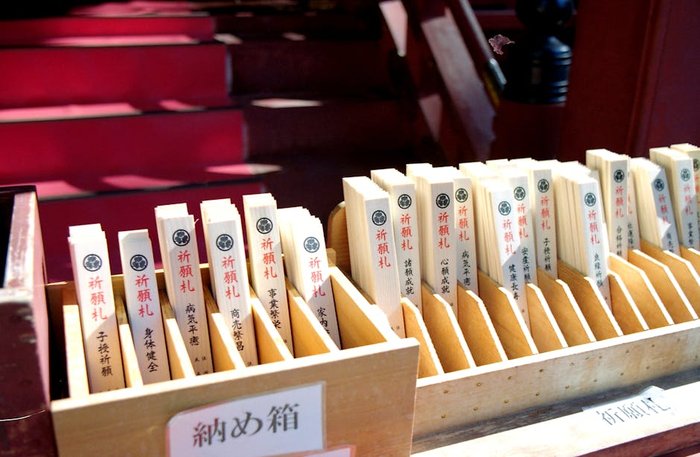
A nokyocho is a thousand-year-old prayer record given only to Shikoku pilgrims. A goshuincho is something else entirely — a keepsake that spread in the modern era as more people began casually visiting shrines and temples.
What’s easy to miss is how far the two have diverged. The Shikoku nokyocho, in particular, is a lifetime record that only comes together once you’ve reached all 88 temples — serious enough that families still tuck it into the coffin at funerals.
And yet, most people mix them up. Partly because they look alike on the shelf. But mainly because nobody actually sits you down and explains the difference.
So in this article, I’ll walk you through:
- The 3 things that truly separate a nokyocho from a goshuincho
- Where each one comes from, historically and spiritually
- A side-by-side comparison across 6 practical angles
- What makes a nokyocho “the real thing,” and how to deliver one as a gift
All of it straight from what I’ve learned running a Shikoku pilgrimage proxy service. If you’re thinking about gifting a true nokyocho to a parent or someone you love, this piece gives you the criteria you need.
The Short Answer: Three Things Set a Nokyocho Apart from a Goshuincho
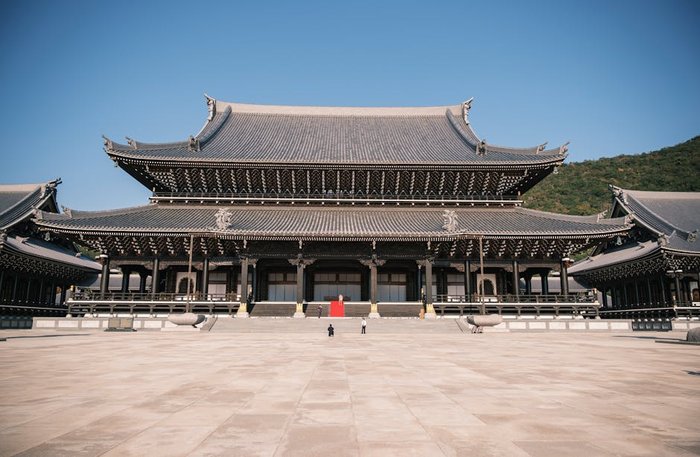
Let me put the answer up front. A nokyocho and a goshuincho differ on three fronts: where they come from, what they’re for, and the gravity they carry.
At a glance, both are books filled with brushed calligraphy and red temple seals. But the stories behind them — and the significance attached to each — aren’t close at all.
The Three Things That Draw the Line
Here’s the simplest way to hold the distinction in your head.
- Origin: the nokyocho traces back to Heian-era sutra offerings; the goshuincho branched off much later as a memento of temple and shrine visits
- Purpose: the nokyocho is a formal pilgrimage record; the goshuincho proves you visited
- Gravity: the nokyocho is a lifetime item used in real Buddhist rites; the goshuincho lives closer to the world of souvenirs
Keep those three in mind, and you won’t mix them up again.
One cleaner way to phrase it: the nokyocho is a proof of pilgrimage; the goshuincho is a proof of visit.
Nokyocho: A Thousand-Year Prayer Record You Only Earn on Ohenro
The nokyocho (納経帳) started as a book you received in exchange for offering a hand-copied sutra to a temple.
The word nokyo (納経) means “to offer a sutra.” Originally, pilgrims would copy a sutra by hand, present it to the temple, and in return receive the day’s brushwork and red seals as proof.
On Shikoku, the nokyocho is what you collect as you visit the 88 temples connected to Kobo Daishi (Kukai, 774–835). It only becomes whole once all 88 temples’ calligraphy and seals line up inside a single volume — the moment you reach kechigan (結願), the completion of the pilgrimage.
A typical page holds the word “houno” (奉納, “I offer”), the name of the main deity, the temple’s name, the date in ink, and three red seals. It looks spare, but packed into that layout are more than a thousand years of sutra-offering practice and Buddhist devotion.
That’s why the nokyocho shows up in funerals and rites the way it does.
- Tucked into the coffin at a funeral
- Placed on the memorial altar as a “passport to the next world”
- Passed down through generations as a family heirloom
A nokyocho isn’t a souvenir. It’s a prayer record with actual Buddhist weight behind it.
Goshuincho: A Meiji-Era Tradition of Marking Your Visit
The goshuincho (御朱印帳) is a book for collecting the red seals you receive at shrines and temples when you visit.
It started as an offshoot of the nokyocho tradition, but after the Meiji-era separation of Shinto and Buddhism drew more visitors to shrines, the goshuincho grew into its own thing — a book for visit stamps rather than sutra offerings.
These days, riding the wave of shrine and temple tourism, it’s become a popular way to keep a record of places you’ve been.
- Accepted at both shrines and temples (though some places suggest separate books for each)
- Often picked up at famous temples and shrines as a “something to remember the trip by”
- The book itself runs 1,500–3,000 yen; each stamp is usually 300–500 yen
I don’t want to understate how lovely the goshuincho tradition is. But it’s a different category from the nokyocho’s “proof of pilgrimage” — and treating them as the same thing misses what makes each special.
A goshuincho is approachable — anyone can start one tomorrow. A nokyocho is formal — you have to walk (or entrust) the pilgrimage to earn it. That difference in entry is what keeps their standing apart.
Nokyocho vs Goshuincho: 6 Angles, Plus the Mistakes People Make
Now let’s get more concrete. I’ll lay out six practical angles where the two books part ways, and then flag the mix-ups that trip people up most often.
The 6-Angle Comparison: Origin, Purpose, Where They Apply, Size, Price, and Significance
Start with the full picture.
| Angle | Nokyocho | Goshuincho |
|---|---|---|
| Origin | Heian-era sutra offerings | A later offshoot — a visit-commemoration book |
| Purpose | Formal record of pilgrimage and sutra offering | Proof of visit / memento |
| Where it applies | Ohenro (the Shikoku 88 and similar pilgrimages) | Any shrine or temple in Japan |
| Size | Large format — opens sideways, thick pages | Small to medium — usually accordion-fold |
| Price | Book: ¥2,000–3,000 / Stamp: ¥500 per temple | Book: ¥1,500–3,000 / Stamp: ¥300–500 |
| Significance | A lifetime item used in Buddhist rites | A memory of your visit |
The line that matters most is the last one: significance. A nokyocho finds its way into coffins and memorial altars — that’s a totally different register from a goshuincho, and it’s not really a difference of degree but of kind.
If you’re trying to picture the rest of the pilgrimage gear, our 18 essential items for the Shikoku pilgrimage is a good companion read.

Where People Get It Wrong: 3 Common Mix-Ups on Wording, Price, and Using Both in One Book
Here are the three confusions I run into most. Some of these will actually trip you into disrespectful territory if you don’t catch them, so they’re worth going slowly on.
① The Wording Inside Is Different
What gets brushed onto the page isn’t the same.
- Nokyocho: “houno” (奉納, “offered”), the deity’s name, the temple name, and three red seals (temple, deity, mountain name)
- Goshuincho: “houhai” (奉拝, “respectfully visited”), the shrine or temple name, and one or two red seals
“Houno” in a nokyocho means “a sutra has been offered here” — it’s not a visit stamp. That single word is where the whole difference lives.
② A Nokyo Fee Is Not a Goshuin Fee
The prices look similar. They aren’t the same thing.
- The nokyocho’s “nokyo fee” is ¥500 per temple (revised in 2024), which comes to ¥44,000 across all 88
- The goshuincho’s “offering” runs about ¥300–500 per shrine or temple
The nokyo fee is a historically set amount, paid in return for offering a sutra. It isn’t the cost of a keepsake stamp.
¥44,000 sounds like a lot until you remember you’re walking 88 temples and ending with a single book that will outlast you. Framed that way, it’s hardly excessive.
③ Don’t Mix Them
The one I want you to really remember: don’t collect goshuin stamps in a nokyocho, and don’t ask for nokyo in a goshuincho.
The reason is simple — the two books exist for different reasons, and those reasons don’t combine. In practice, temple staff won’t give you a plain visit-stamp in a nokyocho anyway. Respecting what each book is for is itself a form of respect toward the Buddha.
And if you want to understand why the book feels so heavy in your hands by the end, our piece on what kechigan (pilgrimage completion) actually means fills in the picture.
What Makes a Nokyocho “The Real Thing” — and Why It Works as a Lifetime Gift
We’ve covered the mechanics. Now for the part people actually care about: what a “real” nokyocho is, and why it works as a gift for someone you love.
Three Conditions That Make a Nokyocho Authentic
A nokyocho I’d call authentic has to meet three tests.
- The calligraphy and seals were actually brushed and stamped at each temple — not printed, not reproduced
- It uses the official Shikoku 88-temple paper — the kind approved by the temple association
- All 88 temples are complete — a book that’s reached kechigan, not one that stops partway
When those three line up, the book becomes something you can actually bring into a Buddhist rite. Anything short of that won’t carry the same weight.
You’ll see pre-printed nokyocho and partial-route nokyocho for sale. They’re nice as keepsakes. But in terms of being a “real prayer record,” they sit somewhere else on the shelf.
The point I’d want you to walk away with: an authentic nokyocho pulls three traditions into one book — sutra offering, full pilgrimage, and formal Buddhist ritual. Gifting one is doing something different from gifting a souvenir.
Three Moments When People Choose an Authentic Nokyocho as a Gift
In my experience, authentic nokyocho get chosen at very specific moments — the ones that actually matter. Three patterns come up again and again.
① Milestone Birthdays for an Aging Parent (60, 70, 77, 80)
At the long-life milestones — kanreki (60), koki (70), kiju (77), sanju (80) — some families skip the usual gift entirely and hand their parent a prayer record instead. When an elderly mother or father can’t make it to Shikoku themselves, delivering a nokyocho you had someone walk for them becomes a way to put a feeling into a physical form that store-bought items just can’t hold.
② Memorials for Someone Who Passed
When a loved one used to say “I always wanted to walk Ohenro someday” and never got the chance, the family sometimes commissions a proxy pilgrimage on their pilgrimage on their behalf and offers the completed nokyocho in their name. Placing it on the altar at the 1-year, 3-year, or 7-year memorial service is a way of finishing the journey they never got to start.
③ Healing Prayers for Someone in the Hospital
When a family member is deep in treatment, the impulse to “do something” is hard to sit with. Some people answer it by having a nokyocho walked and stamped across all 88 temples as a prayer for healing. Kobo Daishi has a long association with healing miracles, and it’s not unusual to see the nokyocho placed quietly at a bedside, like a talisman.
What ties all three together is the same feeling: “They can’t go themselves, so let the prayer go for them.” An authentic nokyocho is, as I see it, one of the few gifts that still knows how to answer that kind of feeling.
How to Actually Deliver One: The Proxy Pilgrimage Option
So if walking Shikoku yourself isn’t in the cards, is there still a way to put an authentic nokyocho into someone’s hands? Yes.
The answer is daisan — the 1,200-year-old Japanese tradition of walking a pilgrimage on someone else’s behalf.
- A trusted pilgrim walks the full 88 temples in your place
- A nokyocho with real calligraphy and real seals from every temple arrives at the end
- The prayer or intention you want carried can be entrusted ahead of time
In other words, you don’t need to walk it yourself to give a real one. For gifts to aging parents, memorials for loved ones, or prayers for a family member in treatment, this is the form people reach for when “wanting to go” and “being able to go” aren’t lining up.
For the record: a nokyocho completed through daisan is recognized by the Shikoku Temple Association as a legitimate pilgrimage record, and it’s treated the same in Buddhist rites as one walked in person. Edo-era Japan had this down — Ise-mairi, Fuji-ko, all of it worked on the same logic of “carry someone else’s prayer.”
A nokyocho is a lifetime item. It will outlast you. That’s the whole reason gifting a real one carries what it carries. At the proxy service I run at Ohenro Gift Bin, delivering that real nokyocho is the one thing we care about most.
![[Ohenro]Shikoku Pilgrimage Proxy Service: Costs and How to Choose a Trusted Provider](https://ohenro-gift.com/en/giftohenro369/wp-content/uploads/2026/03/agency_thumb-300x200.jpg)

Frequently Asked Questions About Nokyocho and Goshuincho
- I’m new to all this — should I go with a nokyocho or a goshuincho?
- Where do I buy a nokyocho?
- Can I just use a goshuincho as a nokyocho?
- Why does a nokyocho cost more than a goshuincho?
- Can you actually give an authentic nokyocho as a gift?
Wrapping Up: The Nokyocho Is a Lifetime Prayer Record — Three Ways to Hold a Real One
We’ve covered the difference between nokyocho and goshuincho, run them across six angles, flagged the places people mix them up, and talked through what makes a nokyocho truly authentic.
Here’s the shape of it one more time:
- Nokyocho and goshuincho part ways on origin, purpose, and gravity — they’re not variants of the same thing
- The nokyocho came out of sutra offering and serves as a formal pilgrimage record; the goshuincho is a proof of visit
- A nokyocho is a lifetime book — one that belongs in Buddhist rites
- “Authentic” means three things: real brushwork, official paper, and a complete 88-temple book
- When you can’t walk it yourself, daisan — proxy pilgrimage, 1,200 years old — is how you still deliver a real one
Put plainly: a nokyocho is a prayer record you might hold once or twice in a lifetime. It simply isn’t in the same class as a goshuincho.
Questions about how to get a nokyocho, how the proxy process works, how to word a prayer — anything, really. A free consultation is fine on its own. An authentic nokyocho is, I think, one of the most honest ways you can put a feeling into someone else’s hands.
▼ Related reading
- The Complete Guide to Shikoku Proxy Pilgrimage
- What Kechigan Means — and Why It Matters
- 18 Essential Items for the Shikoku Pilgrimage