When Hatsumode Isn’t Possible: Delivering a New Year Prayer for Hospitalized Family
If that’s where your head is at, you’re far from alone — more people sit with this than you’d think.
Someone who’s gone to hatsumōde without fail every year, and now “can’t go” hits because of hospitalization. The whole family scrambles to figure out what to do.
The patient’s frustration, the family’s helplessness, the question of how to send a New Year’s prayer for the year ahead. “Is the only option to give up?” — that’s the wall.
In this article, I’ll lay out how to send a New Year’s prayer when hatsumōde isn’t possible, the way I see it.
- What patients and families feel when hatsumōde is off the table
- The options to know about before giving up on the New Year’s prayer
- Concrete ways to deliver the prayer on someone’s behalf
- How Shikoku 88-temple daisan delivers a New Year’s prayer
- The booking-to-completion-to-report flow
Hospitalized and Can’t Make Hatsumōde: The Weight of Missing the New Year’s Visit
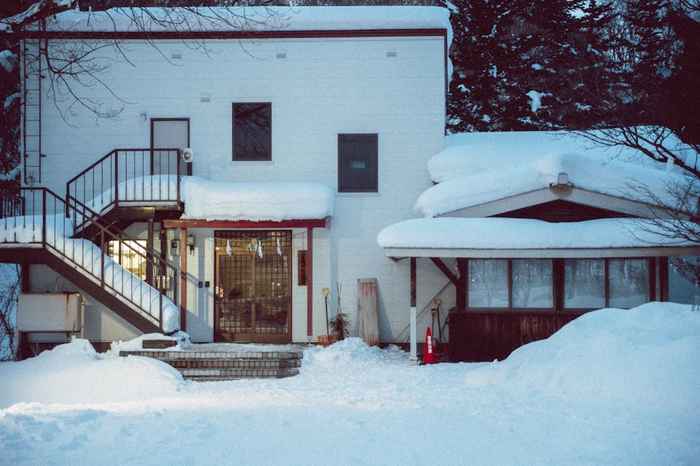
Hatsumōde is a special New Year’s tradition for Japanese people. When someone who’s kept that tradition for years can’t go because of hospitalization, the year hits hard.
Let me start with what’s actually going on emotionally.
What patients and families feel when “I can’t go” lands
The year hatsumōde gets missed. The patient and the family each carry their own weight.
- The patient’s frustration: a habit kept without break, suddenly cut
- The family’s helplessness: “we can’t take them”
- The loss of a New Year’s marker: the start-of-year ritual missing
- “Will next year still be there?” anxiety: not knowing what comes
- Habit weight: decades of tradition behind the feeling
For families that have done “the whole family at hatsumōde on New Year’s Day” for years, the disruption from hospitalization carries especially heavy loss.
Picture “a grandfather hospitalized after a stroke, no clear discharge date by New Year’s”. The instinct to send “I hope they’re well next year” somewhere is natural.
Why families think they have to give up the New Year’s prayer
“If we can’t make hatsumōde, the New Year’s prayer is over.” That assumption is what most families fall into.
The thinking habits underneath.
- “Going = praying” as fixed: visit and prayer treated as one
- No knowledge of alternatives: not knowing options exist
- “Family going instead doesn’t count” assumption
- Distance compounding it: can’t get to family’s local shrine either
- “Maybe next year” escape: avoiding closure for this year
What ties these together: the fixed idea of “hatsumōde = physically going to a shrine.” In reality, ways to deliver the New Year’s prayer exist.
For broader thinking on hospitalized family, “Sending ohenro daisan to a hospitalized family member” walks through it. Ways to break the “can’t go” wall sit there.
Alternatives to Hatsumōde: Sending the New Year’s Prayer Anyway
Concretely, what alternative paths exist when hatsumōde is off the table? More options than you’d think.
Methods for delivering the New Year’s prayer on someone’s behalf
There are multiple ways to deliver prayer on someone’s behalf. Flexibility based on the situation.
Concrete options.
- Family proxy visit: a family member visits using the patient’s name
- Mailed-in prayer: sending the offering to a shrine/temple for them to pray
- Online participation: livestream-based remote attendance
- Daisan service: a proxy delivers prayer at a sacred site
- Bedside prayer: an omamori as a small altar, hands clasped from the bed
These are “realistic options for people who can’t physically go.” “Can’t go” doesn’t equal “can’t pray” — that’s the part to internalize.
Especially family proxy visits are the simplest path. Japan has had “proxy worship” culture for centuries; this isn’t a new idea.
“Asking someone else to pray” as a frame
“Asking someone else to pray for the New Year.” Some folks resist the framing itself. Worth working through why the resistance can be relaxed.
Resistance reasons vs. the actual reality.
| The resistance | The actual reality |
|---|---|
| “Only meaningful if the person goes themselves” | In Buddhism, the heart is what counts |
| “Feels bad to ask others” | A paid daisan service makes “asking” comfortable |
| “Won’t be a real prayer” | A formal Buddhist method with a thousand years of history |
| “Embarrassing to family” | Actually welcomed as “family supporting together” |
| “Effect feels diluted” | Strength of prayer comes from the heart of the person and family |
So “asking someone else” doesn’t break the prayer’s legitimacy. The Buddhist “ekō (廻向)” framework holds that the merit of one person’s prayer can be redirected to another.
How to Deliver a New Year’s Prayer to a Hospitalized Family Member
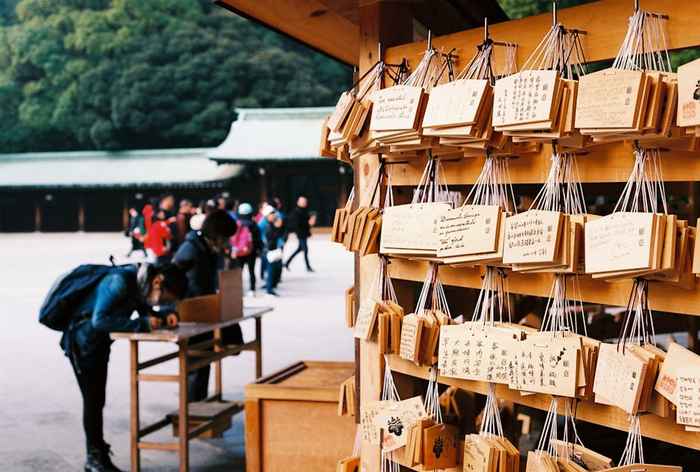
Concretely, delivering a New Year’s prayer to a hospitalized family member — let me lay it out.
The Shikoku 88-temple daisan flow for New Year’s prayer
Lately, Shikoku 88-temple ohenro daisan is one of the alternatives picked for hospitalized family. Not a single shrine — 88 temples praying with weight behind it.
Why ohenro daisan works as a New Year’s prayer.
- Prayer at all 88 temples individually: the patient’s name carried at each one
- A real nōkyōchō: seals and calligraphy from all 88 — proof of the pilgrimage
- “Dōgyō ninin” with Kobo Daishi: prayer carried under the thousand-year framework
- Hospital-bringable: paper-based, fits hospital rules at most places
- Healing-specialty temples included: Yakushi Nyorai temples among the 88
So ohenro daisan delivers a New Year’s prayer with overwhelming volume compared to a single hatsumōde shrine. The scale is genuinely different.
Especially for families wanting to bundle healing, family safety, general New Year’s prayer — ohenro daisan handles all three. The 88 temples each have different honzon, after all.
For broader healing-prayer thinking, “Healing prayer at the Shikoku 88 through ohenro daisan” is also worth a look. Concrete ways to send prayer for hospitalized family sit there.
The booking-to-completion-to-report flow
The specific flow for using daisan to deliver the New Year’s prayer.
- ①Inquiry via LINE / free consultation: share prayer content and target timing
- ②Formal booking and payment: pick a plan, lock it in
- ③Pilgrimage starts: the proxy heads to Shikoku and walks the 88 in order
- ④Progress updates: photos and video sent as it progresses
- ⑤Pilgrimage complete and nōkyōchō shipped: full route done, nōkyōchō delivered
The Shikoku 88 daisan takes 45–60 days for the full route. “Land it in the New Year’s window” means booking by around October of the previous year.
For “land it in time for New Year’s”, “earlier than year-end booking” is the realistic move. Last-minute requests run into weather and temple-schedule constraints that block New Year’s-window delivery.
For broader provider-selection guidance, the complete ohenro daisan guide walks through how to not pick wrong.
FAQ on Hospitalization and Hatsumōde
- If a family member is hospitalized, is family proxy visit enough?
- Does daisan still count as the patient’s prayer?
- When should I start booking daisan?
- For healing prayer, shrine daisan or temple daisan?
- Is bringing a nōkyōchō into the patient’s room allowed?
Even Hospitalized, the New Year’s Prayer Can Be Delivered

“Hospitalized and can’t make hatsumōde” doesn’t equal “can’t pray for the year.” Ways to deliver the prayer on someone’s behalf exist, today.
Family proxy visit, mailed-in prayer, online attendance, daisan services. Breaking the “can’t go” wall is just a matter of knowing the options.
- “Can’t make hatsumōde = can’t pray” is a fixed assumption to drop
- A family proxy visit is a full alternative form of New Year’s prayer
- “Ekō (廻向)” makes entrusting prayer to others a legitimate Buddhist method
- Shikoku 88-temple daisan delivers a real nōkyōchō to your hands
- Winter scheduling needs margin — book earlier than year-end
If “I want to deliver a serious New Year’s prayer for my hospitalized family member” describes the feeling — Ohenro Gift Bin, walking the 88 temples to deliver prayer, is one option to consider.
A real nōkyōchō and a record of the pilgrimage land as a special New Year’s prayer in your hands. Place it bedside, and the whole family can share the time of the year-of-prayer.
If you’re considering daisan, the move is to talk through prayer content and timing with a provider first. Confirm pricing, the process, and what they cover, then move forward only when you’re convinced.
For pricing, the mechanics, or how to align it with hospitalized family schedules — anything worth asking, please reach out via the plan and LINE consultation page. Even just a question is fine.
“What options fit our grandfather’s situation?” “How can the family support each other?” — specific questions get straight, honest answers, one at a time. Moving forward only when you’re convinced is what we want too.
The New Year’s prayer can be delivered even when you can’t physically move. Especially when hospitalized — pick a family-supporting prayer form.
▼Related reads