Shrine vs Temple for Ganakake: Comparing Benefits, Etiquette, and How to Choose
If that’s where your head is at, you’re far from alone — more people sit with this than you’d think.
The “shrine vs. temple” split for ganakake gets glossed over by most folks, day to day. You don’t think about it until you actually need to choose — and then it gets murky fast.
New Year’s visits, exam blessings, shichigosan, safe-childbirth prayers, weddings, funerals. Whether you pick a shrine or a temple changes both the atmosphere and the meaning.
In this article, I’ll lay out the difference between shrines and temples, and how to use them for ganakake, the way I see it.
- The differences in role, faith, and historical background between shrines and temples
- The character of each one’s benefits in the context of ganakake
- What shrines are good at — and what temples are good at
- The decision criteria based on the type of wish
- The next step for anyone wanting serious temple-based prayer
Shrine or Temple for Ganakake? Sorting Out the Underlying Difference
The shrine vs. temple distinction. Most folks have a vague sense of it, but the moment someone asks them to explain, the words don’t quite show up. Let me start from the foundation.
Once the difference clicks, where to send your ganakake gets a lot clearer.
The role and faith behind shrines vs. temples
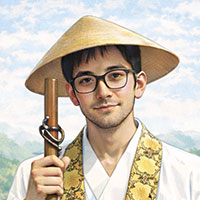
Shrines (jinja) sit on Shintō, Japan’s native faith. Places that house the eight million kami (deities), running back to the Jōmon period as Japan’s own religious culture.
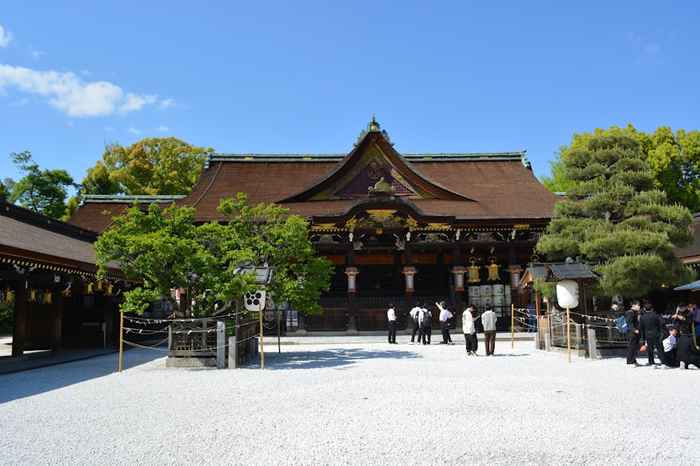
Temples (otera) sit on Buddhism, which arrived in the 6th century. A world religion that started in India, spread across Asia, and took root in Japan.
Here’s the foundational difference, sorted out.
- Shrines: Shintō. Honor the eight million kami; nature and ancestors revered as deities
- Temples: Buddhism. Buddhas (nyorai, bosatsu) as the central object; aimed at enlightenment
- Architecture: shrines have a torii gate; temples have a sanmon
- Object of worship: kami at shrines; buddhas (and the deceased) at temples
- Roles: shrines have kannushi/gūji; temples have sōryo/jūshoku
Put simply: shrines are “where the kami live,” temples are “places of prayer to the buddhas.” Same act of praying, but the entity you’re facing is fundamentally different.
Even today, the “new year visit at the shrine, funeral at the temple” instinct still threads through daily life. Neither one is “better” — that’s part of what makes Japanese religious culture distinct.
Historically, shrines and temples have supported Japanese life through different roles. Picking your ganakake along that role split is the most natural fit, in my view.
Here’s the at-a-glance comparison.
| Item | Shrine (jinja) | Temple (otera) |
|---|---|---|
| Faith | Shintō (native to Japan) | Buddhism (arrived 6th c.) |
| Object of prayer | Eight million kami | Buddhas (nyorai, bosatsu) |
| Entrance symbol | Torii gate | Sanmon gate |
| Roles | Kannushi / gūji | Sōryo / jūshoku |
| Worship form | Two bows, two claps, one bow | Hands clasped, one bow (no claps) |
| Strong areas | Love, business, safe childbirth, warding off bad luck | Healing, ancestral memorial, peace of mind |
| Direction of prayer | This-life benefits (genze-riyaku) | Includes the next life and the deceased |
| Examples | Ise Jingū, Izumo Taisha, Tenmangū | Shikoku 88, Naritasan, Yakushiji |
Keep this table in the back of your mind, and whenever a real ganakake choice comes up, you’ve got the decision axis ready to go.
How “benefits” differ between shrines and temples for ganakake
The direction of benefits when you pray also splits. Each has its own area of strength — easier to picture it that way.
Here’s the rough split.
- Shrines (strong): love, business prosperity, safe childbirth, warding off bad luck, good harvests
- Temples (strong): healing, ancestral memorial, the deceased’s peace, peace of mind
- Shrine prayer style: this-life benefits (the wishes of someone living right now)
- Temple prayer style: includes prayer toward the next life and the other shore
- In common: both are places that hold human wishes
Roughly: shrines are “this-world happiness,” temples are “the soul or memorial,” and you’ll be close to right almost every time.
That said, “you can’t pray for healing at a shrine” isn’t true either — there’s plenty of overlap. Treat this as the question of “specialty”, not exclusive lanes.
When you’re stuck deciding, sort the wish into “this-world happiness now” vs. “the deceased or deeper inner peace”. That’s the first axis for picking shrine vs. temple.
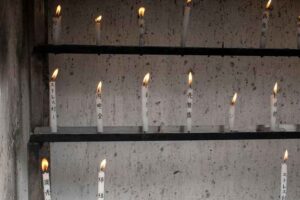
Praying at a Shrine: What Wishes Fit and What the Benefits Look Like
Praying at a shrine is part of daily life for most people in Japan. New Year’s, shichigosan, festivals — there are plenty of natural touchpoints.
Let me walk through what shrines are strong at, plus the basic etiquette.
Love connections, business prosperity, and other shrine specialties
Here’s what people commonly pray for at shrines. “This-life benefits” tend to drive people toward shrines.
- Love and partner connections: Izumo Taisha, Tokyo Daijingū, and other “enmusubi” shrines
- Business prosperity: Inari shrines, Imamiya Ebisu in Osaka
- Exam success / academic wishes: Tenmangū-line shrines (Sugawara no Michizane)
- Safe childbirth / fertility: Suitengū, Koyasu Jinja
- Warding off bad luck / direction: Yasaka Jinja, Mishima Taisha
- Competition / advancement: Hachiman shrines, military-deity shrines
What ties these together is “praying for the happiness of the living.” Family wellbeing, work success, daily life running smoothly. Wishes that hold up daily life sit at the heart of what shrines do.
If you’re sitting with “I want my child to pass an exam” or “I want to find a partner” — basically anything in the this-life lane — a shrine is the natural pick. The local tutelary shrine counts too; the options are wider than people realize.
Etiquette and watch-outs for shrine prayer
The standard is “two bows, two claps, one bow”. Simple, but knowing it shifts how you show up to the prayer.
Here’s the standard flow.
- ①Bow once at the torii: greeting before entering the sacred area
- ②Purify at the temizuya: left hand → right → mouth → left → ladle handle
- ③Walk on the side of the path: the center is for the kami
- ④Place the offering: don’t toss it — set it in quietly
- ⑤Two bows, two claps, one bow: deep bows × 2 → claps × 2 → deep bow × 1
The wish itself goes in the few seconds of silence right after the two claps. Ringing the bell is your greeting to the kami; the actual wish is delivered quietly in your heart — that’s the original form.
Someone I know mentioned tossing a coin into the offering box and rushing through their wish during a packed New Year’s visit. If you treat the shrine as where you actually meet with the kami, slow and quiet is the basic posture.
Praying at a Temple: What Wishes Fit and What the Benefits Look Like
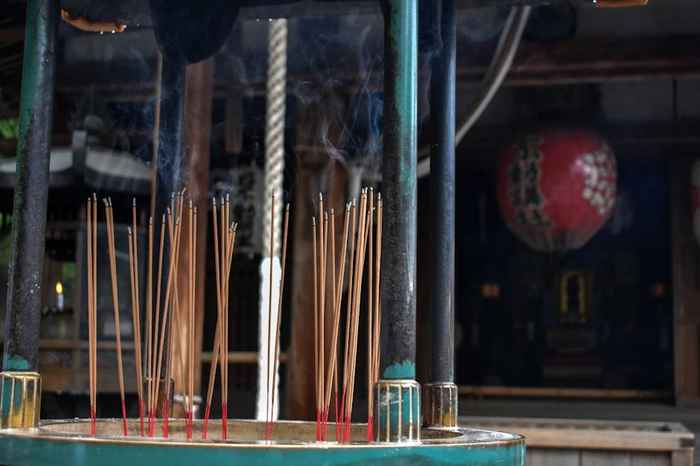
Praying at a temple is centered on prayer to the buddhas. Different from a shrine — the main axis is memorial for the deceased and prayer for deeper inner peace.
Let me sort out what temples are strong at, plus the etiquette.
Healing, ancestral memorial, and other temple specialties
Here’s what people commonly pray for at temples. Leaning on the buddhas’ compassion is what tends to bring people here.
- Healing of illness: temples with Yakushi Nyorai as their honzon (main object), like Yakushiji
- Ancestral memorial / peace for the deceased: rites and chanting at the family bodaiji
- Yakuyoke (warding off bad-year troubles): temples with Fudō Myō-ō (Naritasan, etc.)
- Inner peace / relief from suffering: prayer to Kannon Bosatsu
- Exam / scholarship: temples enshrining Monju Bosatsu
- Comprehensive wishes through pilgrimage: routes like the Shikoku 88
What ties these together is “prayer toward the soul, the heart, and the other shore.” Memorial for those who have passed, deliverance from real suffering, prayer at major life turning points. The Buddhist worldview of compassion sits in the background.
If you’re considering healing, ancestral memorial, or serious yakuyoke in particular, a temple is the natural pick. Buddhist tsuizen-kuyō and the framework of compassion connect deeply with these wishes.
Etiquette and watch-outs for temple prayer
Temple etiquette is different from shrines: the standard is “clasp hands, bow once.” No claps. The posture toward a buddha is different from toward a shrine kami.
Here’s the standard flow.
- ①Bow once at the sanmon gate: greeting before entering the buddha’s space
- ②Purify at the temizuya: same as the shrine flow
- ③Clasp hands at the main hall: palms together at chest height
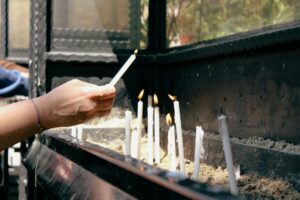
- ④Place offering / light incense: offering goes in quietly; incense via the candle
- ⑤Hands clasped, bow once: no claps — pray quietly
The single most important detail is “don’t clap.” Plenty of folks accidentally clap at temples — but for prayer to the buddhas, hands quietly clasped is the correct form.
If you’re sitting with “I want to pray for my late grandmother” or “I want to pray for my family member’s recovery“, the color of temple prayer usually fits better.
Shrine or Temple? A Practical Use-Case Guide
With the character of each in hand, let me get specific on how to pick. Sorting by the type of wish is the simplest axis there is.
Here’s the at-a-glance “fit by wish” table.
| Type of wish | Shrine | Temple | Quick note |
|---|---|---|---|
| Love / partner | ◎ | △ | Izumo, Tokyo Daijingū, and other enmusubi shrines lead |
| Business / work luck | ◎ | △ | Inari and Ebisu shrines are the standard |
| Exam (light) | ◎ | ○ | Tenmangū-line is classic; Monju temples also work |
| Safe childbirth / fertility | ◎ | △ | Suitengū, Koyasu Jinja are common |
| Yakuyoke (general) | ○ | ○ | Either works; pick by what’s nearby |
| Yakuyoke (serious) | △ | ◎ | Fudō Myō-ō temples (Naritasan, etc.) |
| Healing / health | ○ | ◎ | Yakushi Nyorai temples are the tradition |
| Ancestral / for the deceased | × | ◎ | Shintō treats death as impurity — go to the bodaiji |
| Inner peace / suffering | △ | ◎ | Prayer to Kannon Bosatsu is traditional |
| Serious life-turning-point ganakake | △ | ◎ | Sacred routes like Shikoku 88 carry the deepest weight |
◎ = traditionally strong, ○ = workable, △ = not the natural fit. When you’re stuck, the table gives you a starting point faster than anything else.
The decision criteria by type of wish
Here’s a more detailed breakdown by wish — a quick-reference for those moments of indecision.
- Love / romance / marriage: shrine is the better fit
- Business / work luck: shrine is the better fit
- Exam wishes (light): shrine (Tenmangū-line) fits
- Exam wishes (serious): temples (Monju Bosatsu line) come into play
- Healing / health: temple (Yakushi Nyorai line) fits
- Ancestral memorial / for the deceased: temple (the bodaiji) fits
- General yakuyoke: either one works
- Serious yakuyoke: temple (Fudō Myō-ō line) fits
- Serious life-turning-point prayer: temple (sacred-route pilgrimage) goes deepest
The big rule of thumb: “this-world happiness” → shrine; “soul or deeper prayer” → temple. Hold that, and you won’t miss by much.
If you find yourself wondering “is praying at both a problem?” — the answer is no, it’s totally fine. Japan has long had the cultural habit of praying at both, and there’s no rule that locks you into one.
For the broader question of whether daisan is appropriate, “Is daisan disrespectful? Setting the record straight” works through it. Worth reading if you’re considering serious temple prayer.
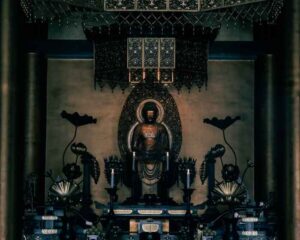
The next step for serious temple-based ganakake
For “I want serious temple-based ganakake,” there’s the Shikoku 88-temple pilgrimage as an option. Not just one temple — 88 of them, on a route with over a thousand years of history.
Why the Shikoku 88 counts as “serious ganakake”:
- 88 temples: a roughly 1,200 km pilgrimage that’s the foundation of “serious” prayer
- Kobo Daishi faith: a religious tradition over a thousand years deep
- Dōgyō ninin: the unique idea of walking together with Kobo Daishi
- The nōkyōchō: physical seals and calligraphy from all 88 temples as proof of prayer
- Chosen at life turning points: jobs, weddings, exams, recoveries
People who feel “the local shrine or temple isn’t enough” — who want a place that matches the weight of a real life turning point — tend toward something on the scale of the Shikoku 88.
For the full picture of serious ganakake, “Serious Ganakake at the Shikoku 88: How Daisan Delivers Real Prayer” goes deeper. Worth reading as the next step.
If “I have a serious wish but I can’t get to Shikoku myself” describes the situation, entrust ing the prayering the prayer to someone else is still on the table. A way to clear the distance and deliver serious prayer.
FAQ on Shrine vs. Temple Ganakake
- Is it okay to pray for the same wish at both a shrine and a temple?
- Does healing absolutely have to be at a temple?
- For exam wishes, shrine or temple?
- What if I get the etiquette wrong?
- For serious temple-based prayer, how should I pick the temple?
Pray Where Your Wish Belongs — and Send Real Prayer
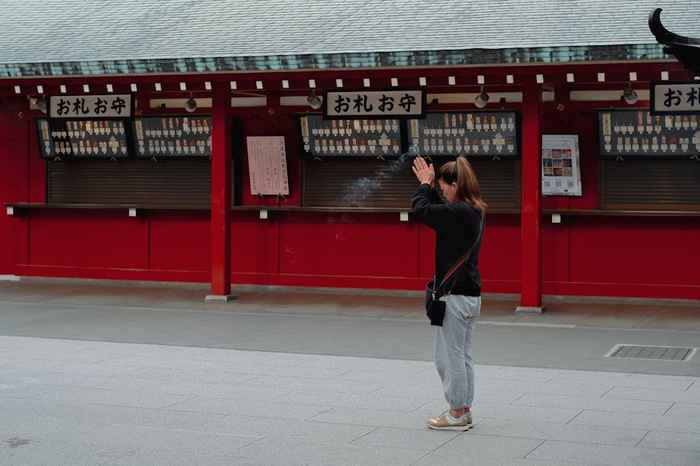
Shrines vs. temples — neither one wins. Praying at the place that matches the wish is what actually matters.
This-world happiness → shrine; soul or deeper prayer → temple. Hold this rule of thumb, and you won’t miss by much.
- Shrines = Shintō (eight million kami); temples = Buddhism (buddhas)
- Shrines are strong on “this-life benefits”; temples on “soul, memorial, deeper prayer”
- Shrine etiquette = two bows, two claps, one bow; temple = clasp hands, one bow
- Praying at both is fine — splitting by specialty is natural
- Serious ganakake leans toward sacred-route pilgrimage like the Shikoku 88
For day-to-day small wishes, your local shrine or nearby temple is plenty. Continuity is what builds depth in prayer over the years.
For serious life-turning-point ganakake, you step up to a bigger place. That’s the traditional Japanese split for prayer.
If you’re sitting with “I want a serious turning-point prayer that the local shrine can’t quite carry” — Ohenro Gift Bin, walking the 88 temples of Shikoku to deliver prayer, is one option to consider.
A real nōkyōchō and a record of the pilgrimage that lands as proof of the ganakake. Different from a shrine ema or omamori — the temple-side serious prayer can be kept in tangible form.
If you’re thinking about serious ganakake, the move is to talk through wish content and timing with a provider first. Confirm pricing, the process, and what they cover, then move forward only when you’re convinced.
For broader guidance on choosing a provider, the complete ohenro daisan guide is worth a look. The criteria for not picking the wrong one are laid out.
Pricing, the actual mechanics, whether shrine or temple fits your situation — anything you want to ask, please reach out via the plan and LINE consultation page. Even just a question is fine.
“Which one fits my wish?” “Where do I start with serious prayer?” — specific questions get straight, honest answers, one at a time. Moving forward only when you’re convinced is what we want too.
Ganakake belongs at a place that matches the wish. Honor what shrines do, honor what temples do, and pick the form of prayer that fits what you’re actually carrying.
▼Related reads
- Serious Ganakake at the Shikoku 88: How Daisan Delivers Real Prayer at Life’s Turning Points
- What Is Ohenro Daisan? The Difference From Proxy Services and the Meaning
- Is Daisan Disrespectful? Setting the Record Straight on Proxy Pilgrimage
![[Ohenro]Shikoku Pilgrimage Proxy Service: Costs and How to Choose a Trusted Provider](https://ohenro-gift.com/en/giftohenro369/wp-content/uploads/2026/03/agency_thumb-300x200.jpg)