Honest Yakubarai for Your Yakudoshi: A Shikoku 88-Temple Proxy Pilgrimage for a Critical Year
Once you realize you’re in a yakudoshi year, there’s this quiet unease that settles in.
It tends to show up right around the new year or your birthday — that feeling of “I should probably do something about this before the year really gets going.”
But the moment you start researching, things get messy fast. Shrine fees, temple prayers, famous power spots, proxy pilgrimages — the options are scattered, and nobody spells out which one actually fits someone in your situation.
So in this article, I’ll walk you through one option specifically: having a proxy pilgrim (daisan) carry your yakubarai prayer to the 88 temples of Shikoku. We’ll cover the basics, the historical weight behind it, and how the actual request process works.
- The basics of honyaku, maeyaku, and atoyaku (main, pre-, and post-critical years) — plus timing
- Three ways to do yakubarai (shrine, temple, proxy) and who each one tends to fit
- Why Shikoku’s 88-temple pilgrimage gets called the “serious” option
- How to actually request a proxy pilgrimage for yourself, including how to word your gan-i (prayer intention)
- Where to start if you want to take action this year
When and What to Do for Yakudoshi Yakubarai: The Basics of Honyaku, Maeyaku, and Atoyaku

Before we get into Shikoku specifically, let’s zoom out. Yakudoshi can feel confusing because the information’s so fragmented, so here’s the clean version.
The Yakudoshi Years for Men and Women, Plus Timing
Yakudoshi refers to ages traditionally considered turning points where health, relationships, and circumstances tend to shift. It’s less about superstition and more about an old cultural checkpoint.
Most regions count using kazoe-doshi (traditional age, where you start at 1 at birth). Here’s how the years break down.
- Men: 25, 42 (the great yakudoshi), 61
- Women: 19, 33 (the great yakudoshi), 37, 61
- Maeyaku: the year before honyaku
- Atoyaku: the year after honyaku
People treat the three-year stretch — maeyaku, honyaku, atoyaku — as one continuous window for staying grounded. In my experience, most Japanese families still take this pretty seriously, even people who aren’t otherwise religious.
As for timing, the common guideline is to do yakubarai between New Year’s and Risshun (Feb 3rd, the first day of spring on the old calendar).
That said, plenty of people do it around their birthday, on Setsubun, or at the start of the fiscal year. There’s no strict rule.
If I’m being honest, the best time is whenever your gut tells you “now” — trying to force it into a specific date usually feels hollow anyway.
Shrine, Temple, or Proxy — Three Ways to Do Yakubarai
Here are your three main options:
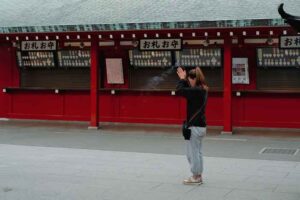
- Shrine kigan: Shinto-style. A priest chants a norito (ritual prayer) and performs purification.
- Temple kitō: Buddhist-style. Monks chant sutras, sometimes with a goma (fire ritual) to burn away misfortune.
- Daisan (proxy pilgrimage): Someone else walks a sacred route on your behalf and carries the prayer for you.
Shrines and temples are really just two different idioms for the same act of prayer. Neither one outranks the other — pick whichever feels closer to home.
Where daisan is different: it’s not a ceremony you attend, it’s a ceremony someone performs on your behalf.
This matters when you can’t physically make it to the location — whether because of work, distance, health, or just not being able to clear 45+ days for a walking pilgrimage. The proxy carries the prayer into the sacred space for you.
If “someone praying on my behalf” sounds strange or feels disrespectful to you, I get it — it’s a common first reaction. I’ve written a separate piece specifically on why daisan isn’t considered disrespectful in the tradition.
What Is Daisan? The Centuries-Old Ohenro Custom of Walking on Someone Else’s Behalf will give you the baseline context if daisan is new to you.
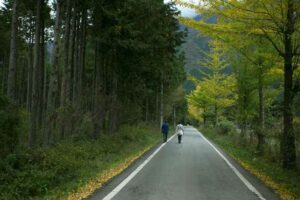
Why Shikoku’s 88-Temple Pilgrimage Gets Called “Serious” for Yakubarai
There’s a reason the Shikoku pilgrimage keeps coming up when people look for a “real” yakubarai option. Let me unpack it.
Kōbō Daishi, the 88 Temples, and the Yakubarai Connection
The Shikoku 88-temple route was founded by Kōbō Daishi (Kūkai) about 1,200 years ago, and it’s been a pilgrimage route ever since.
The full loop is roughly 1,200 kilometers and connects 88 temples across the island of Shikoku. Walking it takes about 45-60 days; by car, around 10 days.
Here’s the part most people don’t know: Kōbō Daishi is traditionally said to have founded the 88-temple route during his own 42nd year — which is the great yakudoshi for men. Whether or not that’s literal history, the story is why the route and yakudoshi have been culturally linked for centuries.
The clearest living example is Temple 23, Yakuō-ji, in Tokushima Prefecture. It’s widely known as the main temple for yakudoshi purification in western Japan.
Yakuō-ji has three staircases tied directly to yakudoshi: 33 steps for the women’s staircase, 42 for the men’s, and 60 for the kanreki (60th) staircase. Tradition says you place a one-yen coin on each step as you climb, as a literal step-by-step act of letting go of the year.
What 88 Temples Actually Means for Yakubarai
Why 88? There are a few theories. One says the kanji for “rice” (米) can be visually decomposed into 八十八. Another ties it to the number of human defilements in Buddhist thought.
Either way, the bigger point is that yakubarai at Shikoku isn’t a single prayer at a single place — it’s 88 prayers layered across 88 sacred sites. That accumulation is what gives the Shikoku route its “serious” reputation.
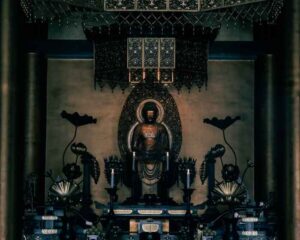
At each temple, the pilgrim chants sutras at both the main hall and the Daishi hall, then receives a stamp in a nōkyōchō (pilgrimage stamp book).
When the nōkyōchō fills up from a daisan request, you end up with something physical: a book containing 88 prayers made specifically on your behalf.
The byakue (white pilgrim’s robe) can also receive the same stamps. Between the book and the robe, you walk away with a concrete, tangible record of the year’s prayer — not just a memory of a ceremony.
- The route is tied to Kōbō Daishi’s own 42nd-year founding tradition
- Yakuō-ji has served as the functional yakubarai temple for centuries
- It’s 88 layered prayers, not a single ceremony — the structure is what makes it heavy
“Serious” here doesn’t mean flashy. It means historically deep and structurally thorough, in my experience.
If you want more on how daisan fits into the broader tradition, I’ve covered that separately.
Is Proxy Pilgrimage Disrespectful? The 1,200-Year Tradition Behind Walking Ohenro on Someone’s Behalf walks through the historical legitimacy of daisan as a practice.
Requesting a Shikoku Proxy Pilgrimage for Your Own Yakubarai: The Full Process
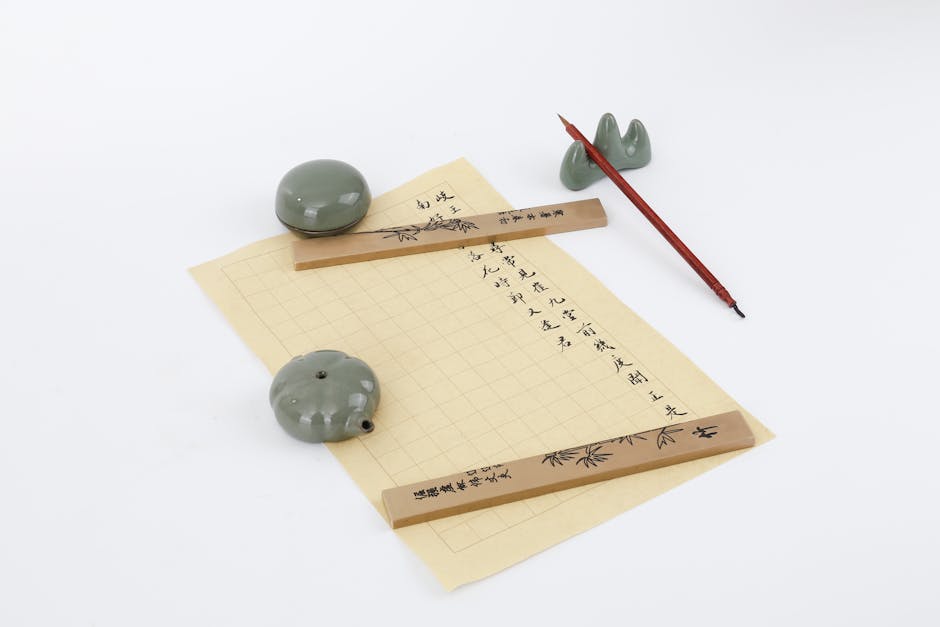
Okay — here’s what actually happens when you book a daisan for your yakubarai. For most people, this is the first time they’ve ever done anything like this, so I’ll keep it concrete.
The Five Steps: Inquiry to Delivery
Process varies slightly by provider, but the structure is pretty consistent:
- Inquiry: Tell them you’re in a yakudoshi year, what timing you want, and which plan fits.
- Planning: Finalize the gan-i (prayer intention), your details, and whether you want a new nōkyōchō.
- Contract & payment: Confirm scope, cost, and duration, then book it.
- The pilgrimage itself: The pilgrim walks all 88 temples, chants at each main hall and Daishi hall, and collects the stamps.
- Delivery: You receive the nōkyōchō, scroll, byakue, and often a report log of the pilgrimage.
Duration depends on how the proxy travels — 45-60 days for walking daisan, about 10 days for car daisan.
If you want the whole thing finished before Risshun (Feb 3rd) or within the calendar year, say so in the first email. That one sentence saves a ton of back-and-forth later.
For pricing specifics, I’ve written a separate deep-dive.
Ohenro Daiko Cost, Honestly Explained: What Proxy Pilgrimage Pricing Actually Covers lays out the stamp fees, transport, lodging, and everything else that goes into the number.
How to Phrase Your Gan-i (Prayer Intention)
This is the part people underthink — the gan-i, or “what exactly should the prayer be for.”
Gan-i just means the stated intention you want carried to each temple. For yakudoshi, a few common framings:
- Yakuyoke kigan (“prayer for protection from misfortune”) — the basic version
- Yakuyoke kaiun (“protection plus good fortune”) — for both warding off and inviting in
- Kanai anzen, shintai kenzen (“family safety, bodily health”) — broader protection
- “Prayer for honyaku yakuyoke” — if you want to specify which year you’re in
You’ll also give the proxy your name, date of birth, traditional-age count, and address.
These details get read aloud at each temple as part of the prayer — it’s how the prayer becomes specifically yours, not a generic one.
Because men’s and women’s yakudoshi ages are different, mention whether you’re in maeyaku, honyaku, or atoyaku. That one data point sharpens the prayer considerably, in my experience.
If you’re still sizing up whether a given provider is legit before booking, worth a read:
Is Ohenro Daiko a Scam? How to Spot Shady Proxy Operators and Choose One You Can Actually Trust lists the red flags and the things to check.
Common Questions About Yakudoshi Daisan Yakubarai
- Does a daisan yakubarai replace the usual shrine yakubarai?
- Does it lose meaning if I can’t finish it within my honyaku year?
- Is the daisan process different for men versus women?
- What do I do with the nōkyōchō after atoyaku is over?
- Can I book during maeyaku instead of waiting for honyaku?
Delivering a Proper Yakubarai from Shikoku: Where to Start
Here’s what we covered about doing yakubarai through a Shikoku 88-temple proxy pilgrimage:
- Yakudoshi spans three years (maeyaku / honyaku / atoyaku); the traditional window for yakubarai runs from New Year’s through Risshun
- Shrine, temple, and daisan are three different routes — pick what resonates, not what’s “correct”
- Shikoku is tied to yakubarai because Kōbō Daishi founded the route in his own 42nd year
- The core of daisan is the gan-i: be specific about your yakudoshi phase, name, DOB, and kazoe-doshi age
- The nōkyōchō and byakue become a physical record of your prayer through the yakudoshi year
If nothing else, a yakudoshi year is worth not letting pass without leaving something concrete behind, in my experience.
One version of “something concrete” is a daisan yakubarai from Shikoku — a book, a robe, 88 prayers made in your name.
If you’re considering a Shikoku daisan for your yakudoshi yakubarai, Ohenro Gift-bin takes inquiries quietly — you don’t need to commit to anything upfront.
There’s a “just want to talk it through first” channel too, so even if you’re still undecided, it’s fine to just start the conversation.
Maeyaku, honyaku, atoyaku — there’s no wrong time to start. The right moment is whenever you’re ready.
For the full overview of our proxy pilgrimage service:
Shikoku 88-Temple Proxy Pilgrimage Service covers how the whole thing works end to end.
▼ Related reading
- What Is Daisan? The Centuries-Old Ohenro Custom of Walking on Someone Else’s Behalf
- Is Proxy Pilgrimage Disrespectful? The 1,200-Year Tradition Behind Walking Ohenro on Someone’s Behalf
- Ohenro Daiko Cost, Honestly Explained
![[Ohenro]Shikoku Pilgrimage Proxy Service: Costs and How to Choose a Trusted Provider](https://ohenro-gift.com/en/giftohenro369/wp-content/uploads/2026/03/agency_thumb-300x200.jpg)