
Gifts for Elderly Parents in Their 80s: How to Pick Something They’ll Actually Use
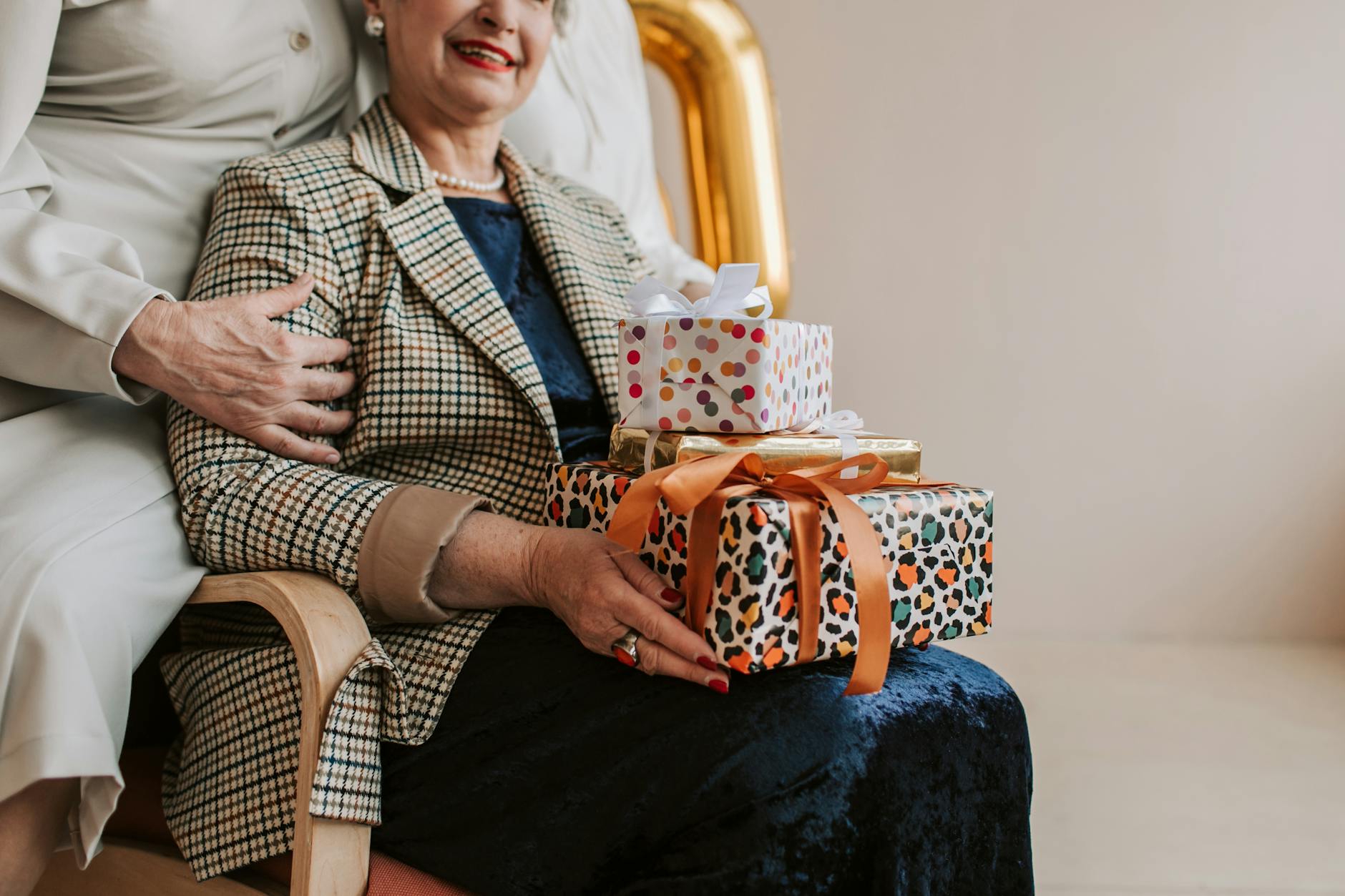
The bag and the shoes I gave last time are still sitting in the closet, untouched. I want to find something that’s special for once — not the predictable “elderly parent” stuff that gets ignored.
Picking a gift for an aging parent in their 80s is harder than it sounds, and most of us run into the same wall.
By 80, your parent already owns everything they need. Their hobbies and lifestyle have shifted, and the obvious “good gifts” from ten years ago don’t land the same way anymore.
Once you start worrying “what if it just sits in a drawer?” or “what if she feels like she has to pretend to like it?” — the decision gets paralyzing. It’s a quietly stressful feeling.
So in this article, I’ll walk you through how to choose a gift for an elderly parent that actually gets used and appreciated — covering what 80-somethings actually want, the trade-offs between classics and newer options, and the pre-checks that prevent the gift from missing.
- Why gifting elderly parents is genuinely harder than gifting anyone else
- What 80-somethings actually like vs. what to avoid
- Classic gifts vs. memorable, less-obvious options compared
- How to pick based on physical condition, taste, and living situation
- Pre-delivery research that prevents “I don’t know what to do with this”

Why Gifting an Elderly Parent Is Genuinely Hard
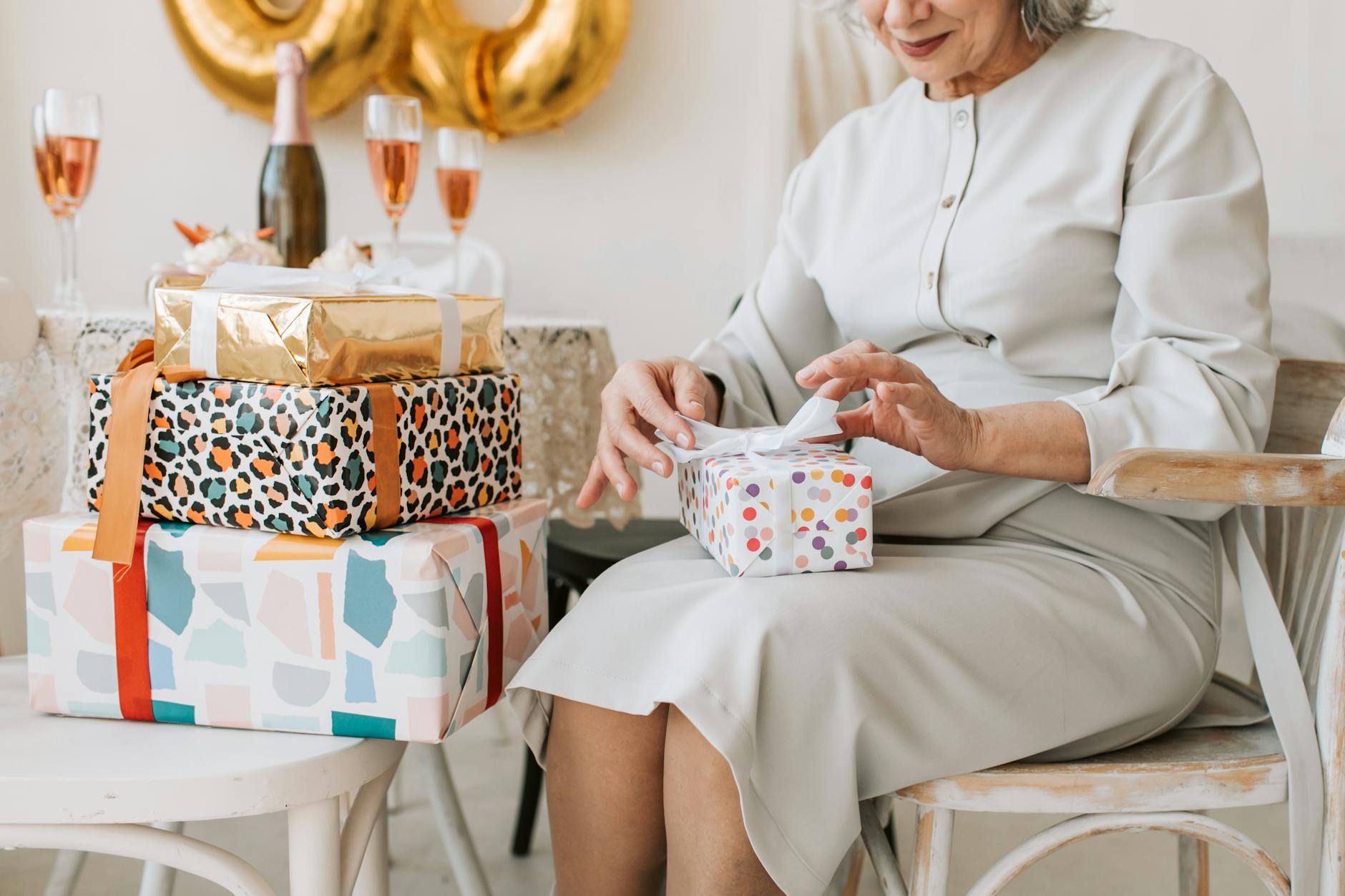
The reason gifting an 80-something parent is hard is that their relationship to “stuff,” their physical capacity, and their daily routine have all shifted compared to 10-20 years ago.
The same “celebration gift” that worked for a 50-year-old parent doesn’t translate. Let’s break down what actually changes.
What to Give the Parent Who Says “I Don’t Need Anything”
If you ask your 80-year-old parent what they want, the answer is almost always “I really don’t need anything”. And that’s not just polite deflection — for a lot of people in their 80s, it’s just true.
Decades of accumulating means everything they need is already in the house. New appliances, new clothes — the math of “use it for 30 more years” doesn’t really work anymore. “Adding more stuff” actually feels like a burden at this stage.
Missing this and gifting “something nice” the way you would to a younger person is where most well-intentioned gifts fail. Watching their daily life beats asking “what do you want?” almost every time.
By their 80s, non-physical gifts can mean more than physical ones. Time spent together, family photos, organized memories, an action someone takes on their behalf — these don’t take up shelf space, so they’re harder to refuse.
“I don’t need anything” is the cue to switch gift categories, not to give up.
Practical Items, Consumables, Experiences — Sorting What Actually Fits
Gifts that elderly parents actually appreciate fall into three buckets: practical items, consumables, and experiences.
Which one lands depends on the specific personality and lifestyle of the parent. Here’s how the buckets break down.
- Practical items: things they use daily — shoes, bedding, health gadgets, simple appliances
- Consumables: things that get used up — food, sweets, tea, flowers — so nothing accumulates
- Experiences: memories, not objects — trips, meals, photo sessions, proxy pilgrimages pilgrimages
For parents who actively dislike adding objects, consumables or experiences are the safer call. For parents who still go out and stay active, a “slightly upgraded” practical item often hits well.
If you’re unsure which bucket fits, think about what they’ve said recently. Parents who mention “I don’t go out as much anymore” or “I’m home more these days” tend to respond well to consumables they can enjoy at home, or experiences that bring family time to them.

What 80-Year-Olds Actually Like — and What to Skip
Gifts that genuinely work for 80-something parents share a few clear patterns. There’s also a list of things that, even if well-intended, tend to misfire.
Here’s what tends to land vs. what to avoid as the years go by.
What Works for 80-Year-Olds vs. What Tends to Miss
Gifts that elderly parents tend to love share three traits:
- Doesn’t require physical effort to use — not too heavy, no relearning required
- Carries the feeling visibly — handwritten notes, photos, engraved items, or actions taken on their behalf
- Quietly improves daily life — seasonal foods, flowers, comforting things
On the flip side, there are gifts to avoid. Things that look great in theory but become a burden once they arrive.
Examples of gifts that tend to backfire with elderly parents: large electronics with complex menus, heavy bags or shoes, large quantities of food with short expiration dates, clothing that needs precise sizing, pets or plants (require care), oversized flower arrangements (high maintenance).
The biggest issue is anything that requires “learning a new interface.” Smart appliances and app-connected devices tend to overwhelm 80-year-olds. It might look stylish, but if they can’t use it, it lives in the box forever.
Short-shelf-life food in large quantities is another classic miss. Sending a “premium whole cake” to a parent living alone usually creates the guilt of throwing food of throwing food away. Single-serving or small portions changes the entire feel of the gift.
Imagining “what their day looks like after the gift arrives” sharpens your decisions a lot.

Special Gift Options That Actually Land — Experience, Form, Memory

If you want to give “something more than the usual,” it helps to split options into two camps — classics, and the newer, less-obvious ones.
Classics carry warmth. The newer category carries memorability. Knowing both is how you find the gift that genuinely fits the specific parent in front of you.
Classics: Health Items, Food, Travel, Flowers
Classic gifts for elderly parents have “the comfort of being recognizable”. Health gadgets, seasonal food, travel, flowers — universal categories that tend to land regardless of generation.
- Health items: massagers, blood pressure monitors, heating pads — care signals through
- Seasonal food: traditional sweets, fruit, tea — consumable so nothing accumulates
- Flowers / preserved arrangements: visually brightens daily life
- Hot springs / nearby restaurant: shared time, within their physical limits
- Engraved tea cups or seat cushions: daily-use items that still feel special
Among classics, anything that bundles “time with family” hits 80-year-olds especially well. The gift becomes a vessel for the experience around it, which is the part that actually matters.
The downside of classics is that they’re recognizable — meaning “I think she got something like this last year” can happen. Some homes have three massagers stacked in a corner and tea no one’s drinking.
That’s where the “special category” becomes worth considering.
Tangible Keepsakes, Experiences, and Prayer-Based Gifts
Lately, what’s emerging as a “special” gift for elderly parents is “things they’ll remember”.
Not objects — but forms, experiences, and stories. Especially relevant when classics feel too predictable, or when “I want to give her something deeper this time” is the brief.
- Family portrait / photo session: a professional family photo as a kept record
- Memory albums: old photos and letters compiled into a book
- Engraved heirloom items: tea cups, fountain pens — items that age well
- Video letters or message books: the family’s voice, made tangible
- Ohenro pilgrimage gift (proxy): someone walks Shikoku on her behalf and delivers the real nokyocho stamps
- Health checkup / annual physical: care for her body, framed as a gift
Of these, the Ohenro pilgrimage gift is a less-obvious option for elderly parents who once thought about visiting the Shikoku 88-temple route but realistically can’t make the trip themselves anymore.
A proxy walks the full route, carries her prayer at each temple, and delivers the real nokyocho with actual temple stamps. For parents with quiet faith, or who care deeply about life’s milestones, it can land as a tangible, meaningful keepsake in a way most physical gifts can’t reach.
If you want to dig into “what does it mean to gift Ohenro?” specifically, this companion piece goes deeper.
“Ohenro as a Gift: Why Walking Shikoku for Someone Has Become a Meaningful Way to Honor a Parent” picks up where this article leaves off.


How to Avoid the “Polite Reaction Only” Outcome
The thing you most want to avoid with elderly parents is “I gave it with the best intentions, and somehow it just sat there”.
The fix is upstream — small checks before you commit. Here’s the framework for picking, plus what to research before delivery.
Filter by Body, Taste, and Living Situation
Before you commit to a gift, check three filters: your parent’s physical condition, taste, and living environment. Hit all three and the miss rate drops dramatically.
- Physical condition: legs, eyesight, hearing, ongoing health issues. Avoid heavy, fiddly, or loud
- Taste: colors, materials, sweet vs. savory. Long-standing preferences rarely shift
- Living environment: alone or with family, storage space, fridge size, neighborhood
For example, if your parent’s mobility is declining, booking a restaurant two subway stops away turns the gift itself into a chore. Walking distance from home, or something delivered to the house, is the kinder default.
For declining vision or hearing, small text or complex controls are out. Larger fonts, simpler buttons, fewer steps — that lens helps a lot.
Living environment can be a silent trap too. Sending a large frozen food package to a parent living alone can overflow their freezer and make them feel cornered. Picturing the day-to-day of their actual home life saves a lot of misses.
Pre-Delivery Research That Prevents Misses
The fastest way to avoid “this gift was nice but unusable” is pre-delivery research. There are several ways to investigate without asking the parent directly.
Especially comparing notes with siblings is high-leverage. Things you don’t see from your one perspective surface fast: “She mentioned this thing recently,” “She’s been wanting one of these,” etc.
If you do ask directly, ask “What’s been bothering you lately?” instead of “What do you want?” Specific frustrations are easier to answer, and solving them lands as gratitude rather than accumulation.
Once the research is in, the move is just to pick something that fits naturally into her existing life. The effort of doing that homework is itself the foundation of “the feeling came through.”
If you want a broader look at meaningful gifts for aging parents, this companion piece covers more options.
“The Gift They’ll Never Forget: Meaningful Ways to Honor an Aging Parent” expands the angle further.

FAQ: Common Questions About Gifts for Elderly Parents
- What’s a typical budget for an 80-year-old parent’s gift?
- My elderly parent lives far away. What format works best?
- Should I give different gifts on Mothers Day and on the birthday?
- How do I keep my siblings and I from giving duplicate gifts?
- My parent’s stamina is dropping. Should I just rule out travel?
Delivering a Gift That Truly Lands With the Person Who Raised You
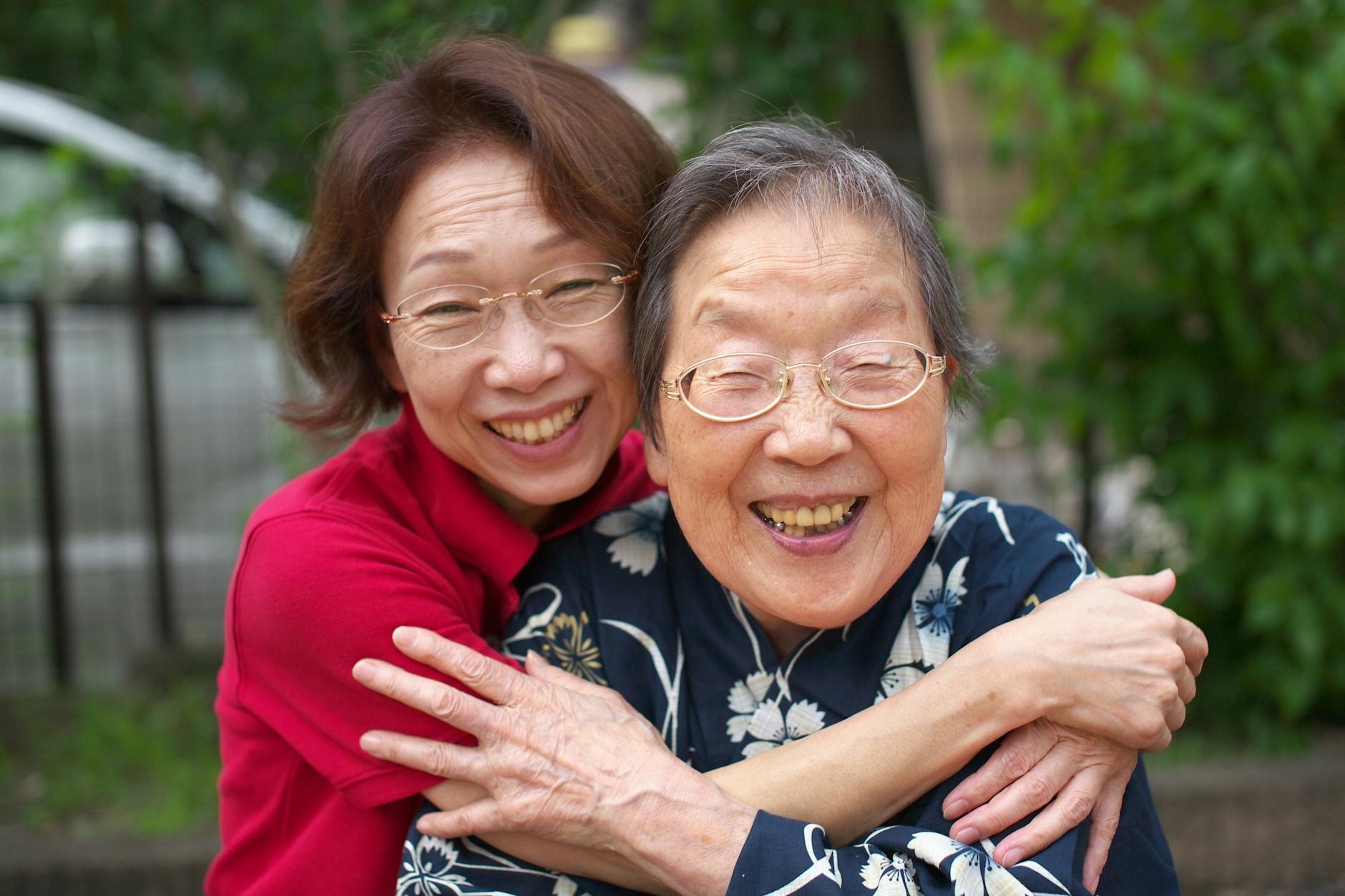
Gifting elderly parents starts with understanding that their relationship to objects, physical capacity, and routine have all shifted.
Classics have warmth. The newer options have memorability. The thing that matters isn’t price or trend — it’s whether the gift sits inside the actual life she’s living right now.
- By 80, “more objects” feels like a burden — pivot to non-object formats
- Pick from practical / consumable / experience based on the parent’s lifestyle
- The three traits: low effort to use, feeling-rich, quietly improves daily life
- Compare classics against newer options before committing
- Filter by body, taste, and living environment to cut miss rates
Even a parent who says “I really don’t need anything” has gifts that do land. Those gifts are usually the ones where time and feeling have taken physical form, more than the objects themselves.
If you’re considering a once-in-a-lifetime, non-classic gift, the Ohenro Gift Service walks the full Shikoku 88-temple route on your parent’s behalf and delivers the real nokyocho stamps and trip records to her door. An experience gift she can receive without moving — a format that fits 80-something parents particularly well.
▼ Related reads
- Ohenro as a Gift: Why Walking Shikoku for Someone Has Become a Meaningful Way to Honor a Parent
- The Gift They’ll Never Forget: Meaningful Ways to Honor an Aging Parent
- What Is Ohenro? Meaning, Purpose & the Shikoku 88 Temple Pilgrimage Explained
![[Ohenro]Shikoku Pilgrimage Proxy Service: Costs and How to Choose a Trusted Provider](https://ohenro-gift.com/en/giftohenro369/wp-content/uploads/2026/03/agency_thumb-300x200.jpg)