Gifting a Real Nokyocho: Why Stamped Pilgrimage Records Beat Empty Books
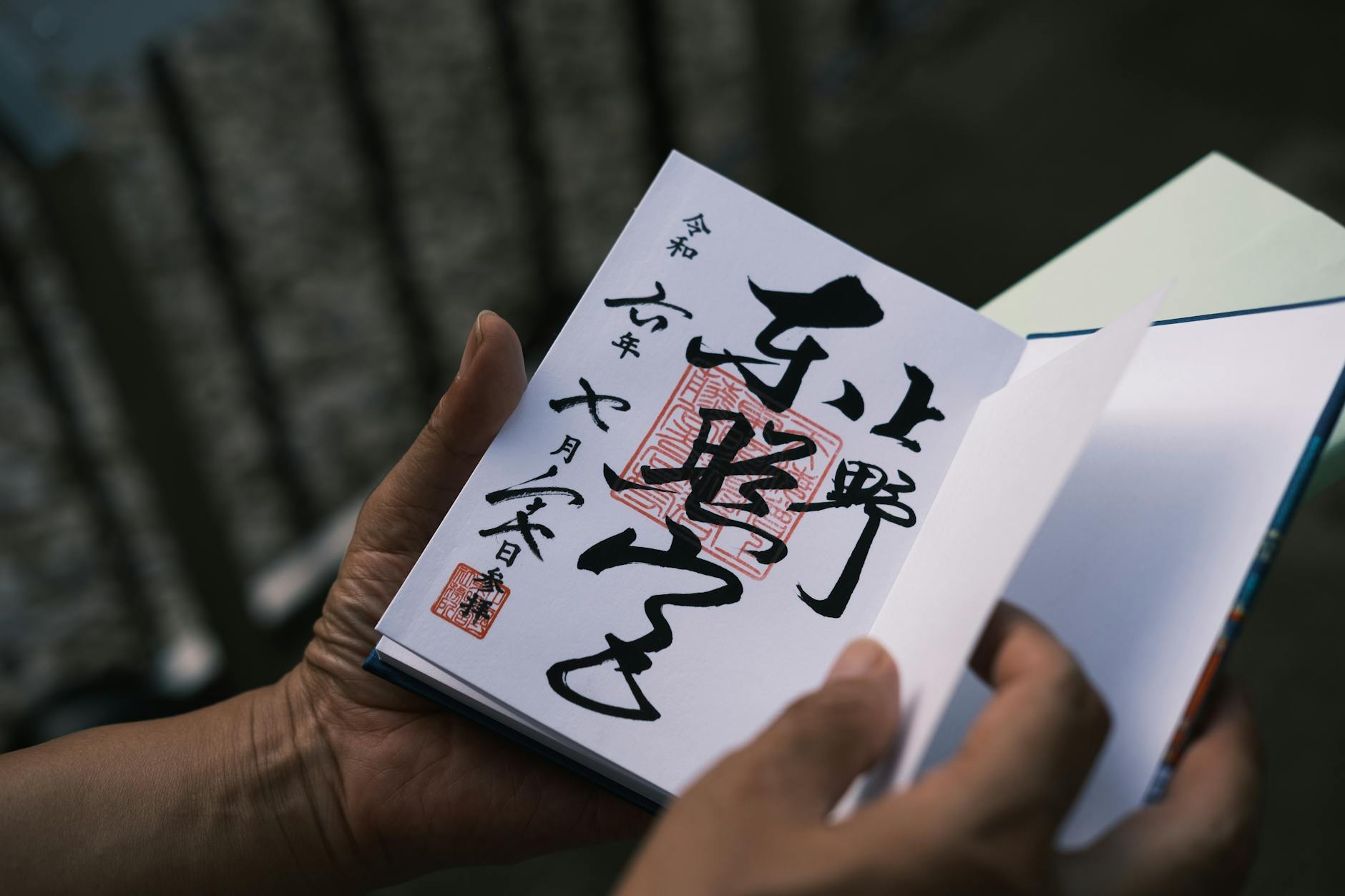
If you’re thinking about gifting a real nokyocho to your parent or someone important to you, you’re stepping into a space most people don’t fully understand at first.
The word “nokyocho” means different things to different people. Some picture a beautifully bound blank book sold at stationery stores. Others picture a book filled with red temple stamps from an actual pilgrimage.
And what counts as “real” — that’s surprisingly little-known. The same book, with vs. without the actual stamped seals and handwritten calligraphy, becomes two completely different objects in terms of value.
So in this article, I’ll walk you through what gifting a real nokyocho actually means and how it works — covering the difference from store-bought books, the value of stamps and calligraphy, and the proxy pilgrimage option.
- What “real nokyocho” actually refers to
- The decisive difference from a store-bought goshuincho
- The real value behind the stamps and handwritten calligraphy
- Why nokyocho gets picked as a “record-as-gift”
- Why a proxy-pilgrimage nokyocho is still genuinely “real”

What “Gifting a Real Nokyocho” Actually Means: The Decisive Difference From Store-Bought Books
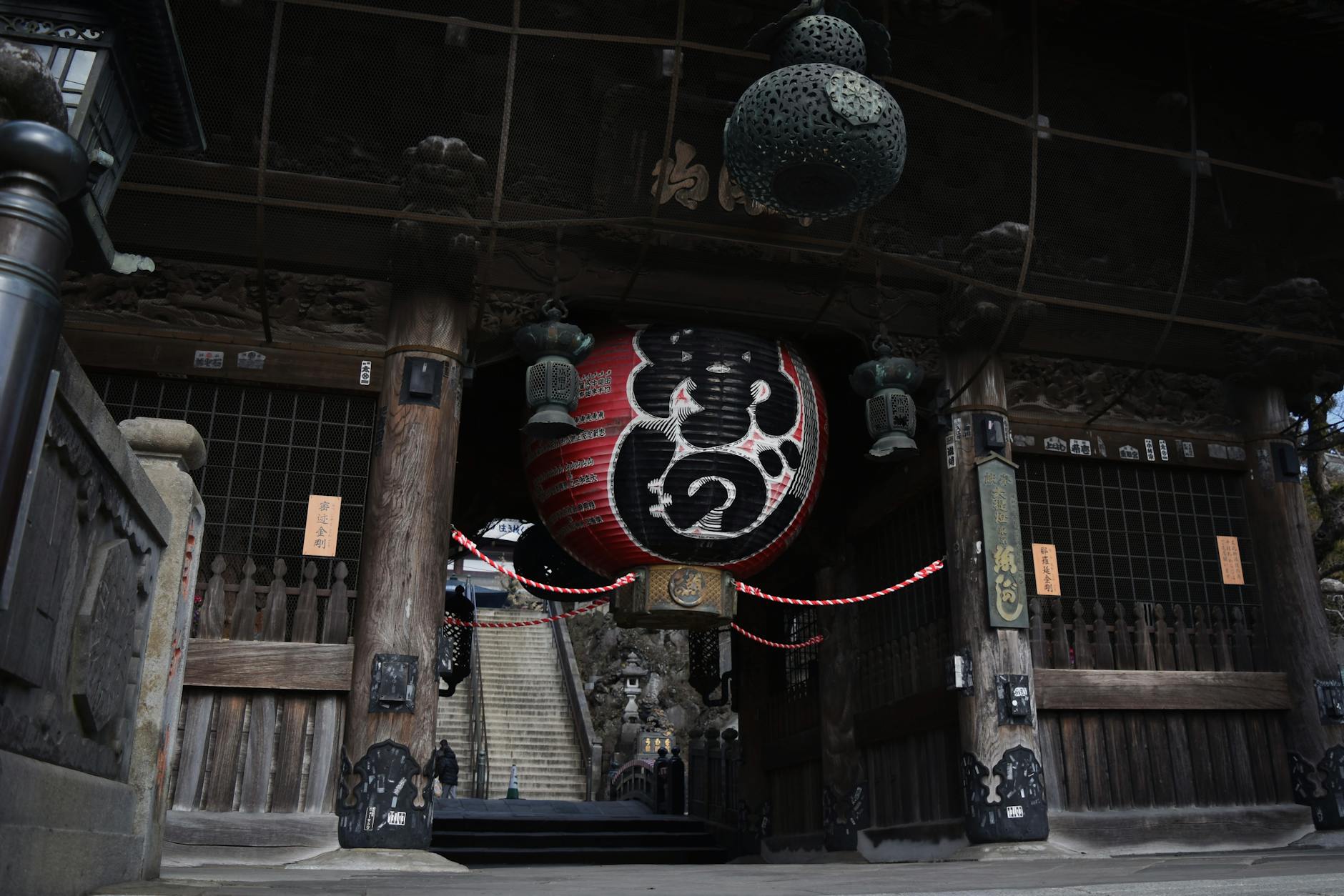
“A real nokyocho” refers to a book that’s actually been carried to each temple and received its stamps and handwritten calligraphy on site.
It’s a fundamentally different object from a beautifully bound goshuincho on a store shelf. Here’s what separates them, in detail.
What “Real Nokyocho” Refers To
What separates “real” from “merely a nice-looking book” comes down to whether every page is filled with on-site, hand-applied stamps and calligraphy.
The beautifully bound goshuincho you can buy at a Japanese stationery store is, fundamentally, “an unfilled notebook”. With nothing stamped or written on it, it’s just “a vessel for a pilgrimage that hasn’t happened yet.”
A real nokyocho is a book containing actual stamps applied at each temple’s nokyojo (stamp office), plus handwritten calligraphy by the head priest or a designated calligrapher. This can only be received by someone who’s physically visited the temple and offered prayer — and it can’t be reproduced via copy or printing.
In other words, a real nokyocho is “a finished record”, not a presentation. The on-site stamps and handwriting are what make it “real” — not the binding.
Without knowing this, gifting “a beautiful empty goshuincho” lands as a gift with empty pages. As a record of pilgrimage, the value is zero. So when picking nokyocho as a gift, the decisive question is whether the inside is filled with actual stamps and writing.
Why “Actually Walking the 88 Temples” Creates the Meaning
What makes a real nokyocho special is the fact that someone actually visited all 88 temples and received a stamp at each one.
The Shikoku 88-temple pilgrimage is a 1,000+ year-old pilgrimage route tied to Kobo Daishi. The stamp at each temple is also “proof of time spent walking that distance”.
- Visiting all 88 temples: a record of physically covering 1,200km
- Praying at each temple: proof that the main hall and Daishi hall were prayed at
- Receiving the stamp at the nokyojo: the temple’s own confirmation that the pilgrimage happened
- Handwritten calligraphy: each character carrying the calligrapher’s skill and care
All of that together makes the nokyocho “the real proof of pilgrimage”. A book missing some temples — because the pilgrim gave up partway or couldn’t get there — is an incomplete record.
For more on what nokyocho means and how it differs from goshuincho, this companion piece may help: “Nokyocho vs Goshuincho: What Sets the Shikoku Pilgrimage Stamp Book Apart” goes deeper.
What Makes a Real Nokyocho Land as a Gift: The Value of Stamps and Calligraphy
What makes a real nokyocho hit as a gift is that the stamps and calligraphy are “one-of-one, irreproducible”.
Each temple’s stamp is unique, and each calligrapher’s hand gives different texture. Even at the same temple, no two nokyocho stamps come out exactly the same.
Why the Stamp Is Valuable as “Proof of Visit”
The essence of the stamp is “on this day, at this place, at this moment, someone was there”. Not digital, not a print — a physical proof that requires being on the spot to receive.
The reasons the stamp carries weight:
- Physical presence: an irreproducible mark that can only be applied on site
- Per-temple uniqueness: 88 different designs across all temples
- Confirmation of prayer: received only after praying at the main hall and Daishi hall
- Time stamp: the visit date is handwritten, recording when the visit occurred
- Temple-side certification: the temple itself confirms “yes, this person came”
So the stamp is “the act of pilgrimage made physical”. Whether this exists or not is what determines whether the nokyocho is “a real pilgrimage record” or just “a nicely bound book.”
Some store-bought goshuincho come with printed sample stamps designed to “look real” — but those are souvenirs, not proof of pilgrimage. The meaning for the recipient is fundamentally different.
The Handwriting and Stamps That Are Never Identical Twice
The other distinctive thing about a real nokyocho is the handwritten calligraphy. At each temple’s stamp office, the head priest or a designated person writes the characters by hand, brush stroke by brush stroke.
The handwriting carries the personality and care of the writer. Even at the same temple, a different calligrapher means a different feel. No two are ever identical — that’s the world of the real nokyocho.
The calligraphy in a nokyocho records the deity’s name, the temple’s name, and the visit date in brush ink. Combined with the stamp, it becomes a one-of-one record of “this temple, on this day.”
It’s a single book that doesn’t exist anywhere else in the world. Even if 88 temples are walked, no two nokyocho are ever the same. That’s why it lands so deeply with whoever holds it as a gift.
Filial Gifts of a Real Nokyocho: Why “Records That Stay” Are Being Chosen

The reason a real nokyocho is showing up more often as a “filial gift” comes down to a renewed appreciation for tangible records.
Experience gifts and consumables are popular too, but the nokyocho has the unusual combo of “stays as a physical object” + “keeps holding meaning” — both at once.
Picked by People Who Want a Record Rather Than a Thing
Gifts to elderly parents can sometimes feel like “more stuff = more burden”. On the other hand, experience gifts can leave people feeling like “there’s nothing to hold afterward.”
Caught in the middle, a lot of people land on a real nokyocho as “a record-as-gift”.
- Doesn’t accumulate like normal stuff: a single book takes minimal space
- Doesn’t disappear like an experience: stays on the shelf forever
- Meaning is readable: stamps and calligraphy say what it represents
- Easy to explain to family: anyone can see “this is a pilgrimage record”
- Lifetime keepsake: properly stored, it lasts decades
For people looking for “something deeper than objects or experiences,” a nokyocho-as-record often clicks.
Why the Value Increases Over Time
One unusual thing about a real nokyocho: its value tends to grow over time. The opposite of how most physical objects age and depreciate.
A few reasons the value compounds:
- Memories of the day it was received accumulate: every time it’s opened, the gifting moment returns
- It becomes shared family history: passed down to children and grandchildren as “what this represents”
- The ink and paper develop character with time: the patina deepens
- It comes out at family milestones: birthdays, memorial days, anniversaries
Especially the family-history dimension is unique to nokyocho. “This is what Grandma got for her 60th” — that kind of phrase becomes a thing said two generations later.
If you want to explore experience-gift options more broadly, this companion is also worth a read: “Ohenro as a Gift: Why Walking Shikoku for Someone Has Become a Meaningful Way to Honor a Parent“.

To Gift a Real Nokyocho, Use Daisan: A Special Way to Receive Pilgrimage Proof
When you actually try to gift a real nokyocho, there’s a real obstacle: “the time and physical capacity to walk all 88 temples yourself” isn’t realistic for most people.
The way around that obstacle is daisan (proxy pilgrimage pilgrimage). Let’s walk through how it works.
How a Proxy Pilgrim Walks Shikoku for You
Daisan is a system where someone else physically walks the route and prays on your behalf. It’s a tradition with over 1,000 years of history in Japan.
For Shikoku’s 88 temples, the proxy carries the client’s prayer to each temple, prays at the main hall and Daishi hall, and receives the stamp and handwritten calligraphy at the stamp office. After completion, the real nokyocho is delivered to the client.
- Submit the request: share the prayer and recipient details with the provider
- Proxy departs: the Shikoku 88-temple pilgrimage begins
- Pray and stamp at each temple: pray at main hall and Daishi hall, then receive stamp and calligraphy at the nokyojo
- Progress reports: photos, video, GPS — depending on the provider
- Nokyocho complete: book is finished when all 88 stamps are in
- Delivery: the nokyocho ships to the client or recipient
So “you can gift a real nokyocho without walking it yourself” is the practical value of daisan. A workable answer to the time and stamina barrier.
Why a Daisan-Received Nokyocho Is Still Genuinely “Real”
Some readers may wonder: “If someone else walked it, can it really be called a real nokyocho?” The answer: yes, a daisan-received nokyocho is a real nokyocho.
The reason: what makes a nokyocho “real” is whether the actual stamps and calligraphy are real. Not who visited — but whether someone physically prayed at the main hall and Daishi hall, and then formally received the stamp at the nokyojo. If yes, the nokyocho is real.
And daisan itself is a 1,000+ year-old practice. In the Edo period, villages organized “ko” associations to send proxies on collective behalf. Daisan-received nokyocho have been treated as “real” both historically and culturally for centuries.
FAQ: Common Questions on Gifting a Real Nokyocho
- Can I tell a real nokyocho from a store-bought one at a glance?
- Does a partial nokyocho (not all 88 temples) still have meaning?
- How should the recipient store a nokyocho?
- In a daisan-gifted nokyocho, whose name is recorded?
- When’s the right timing to gift a nokyocho?
Sending a Real Nokyocho — One Book, to the Person It Matters Most To
A real nokyocho is “a one-of-a-kind pilgrimage record, with the inside filled by actual stamps and calligraphy”. Fundamentally a different object from a store-bought, beautifully bound goshuincho.
The reason it gets picked as a gift: it has the rare combination of staying as a physical object, carrying readable meaning, and growing more valuable over time.
- “Real nokyocho” means a book filled inside with stamps and calligraphy
- Stamps prove “someone was there”; handwriting is one-of-one
- Picked as a record-form filial gift or milestone gift
- Gains value over time as part of family history
- Daisan lets you gift a real nokyocho even without walking it yourself
For people who’ve been searching for “something more than objects or experiences,” a real nokyocho can quietly resonate.
If you sense “I can’t walk Shikoku myself, but I want to gift a real nokyocho to someone important”, then Ohenro Gift Service is one of the options to consider. We deliver the real nokyocho — the actually walked-and-stamped pilgrimage book — to your loved one’s doorstep. A gift where the act of pilgrimage stays physically in their hands, and one that lands at milestone moments.
▼ Related reads
- Ohenro as a Gift: Why Walking Shikoku for Someone Has Become a Meaningful Way to Honor a Parent
- Nokyocho vs Goshuincho: What Sets the Shikoku Pilgrimage Stamp Book Apart
![[Ohenro]Shikoku Pilgrimage Proxy Service: Costs and How to Choose a Trusted Provider](https://ohenro-gift.com/en/giftohenro369/wp-content/uploads/2026/03/agency_thumb-300x200.jpg)