
Meaningful Gifts for Respect for the Aged Day: How to Pick Something That Stays in the Heart for Grandparents
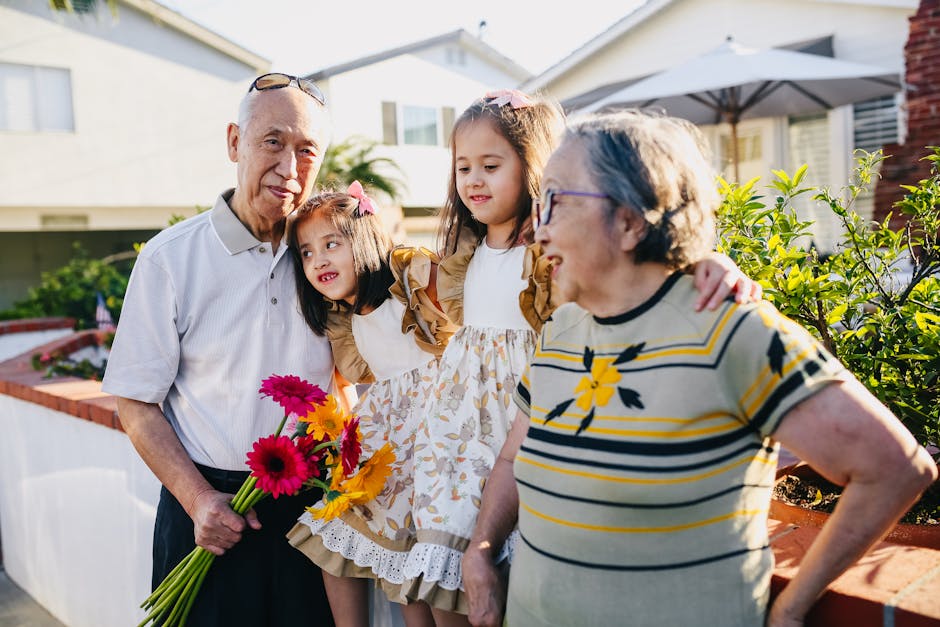
You’re not alone if that sounds familiar.
You hand over the same kinds of gifts every year, and then one day you stop and think. “Next year’s Keiro no Hi isn’t guaranteed.” That’s when the urge to pick a gift with real meaning starts to feel urgent.
But the moment you actually try, it gets hard. Fancy stuff doesn’t really land with that generation. Trendy stuff won’t get used. “I want to convey the feeling, but it won’t take shape” — that frustration tends to stick.
In this article, I’ve put together how to pick a gift with real meaning for grandparents on Respect for the Aged Day, as carefully as I can.
- What separates a “meaningful gift” from just stuff
- What grandparents actually appreciate, broken down
- 3 categories of meaningful gifts and how to pick
- What works for grandparents in their 80s and 90s
- How to send your feelings to grandparents living far away

What “Picking a Meaningful Gift” Really Means on Respect for the Aged Day
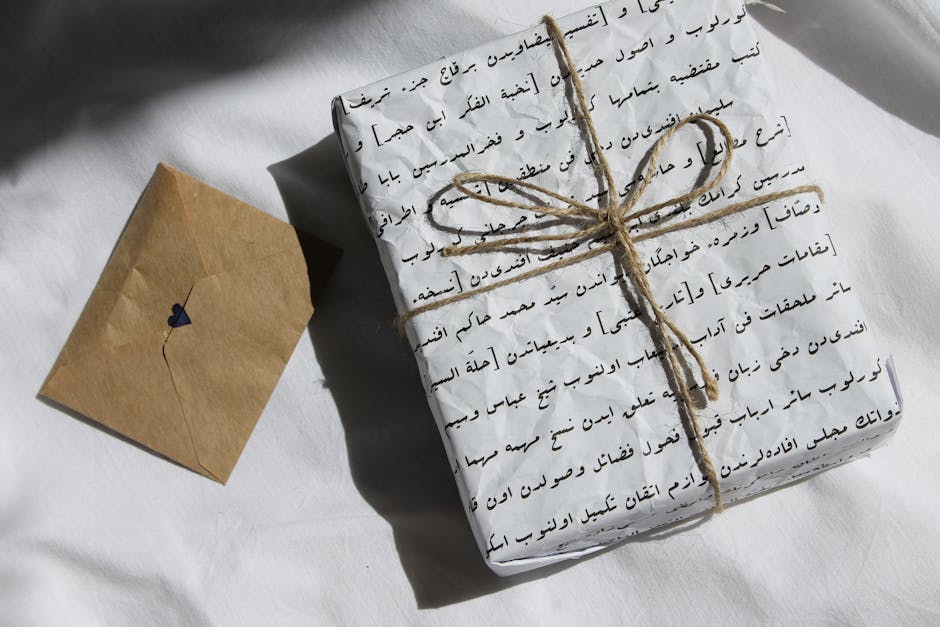
Picking a “meaningful gift” for Keiro no Hi means choosing the shape of a feeling, not just buying stuff. Less about price or appearance, more about what stays lit in the recipient’s heart.
What that generation really wants isn’t new stuff — it’s “time spent caring about them,” wouldn’t you say?
The difference between giving stuff and conveying feeling
The gap between “stuff” and “feeling” shows up in what’s left after the gift is received.
Take fancy sweets — delicious, sure, but once they’re eaten there’s nothing left. A framed family photo or a handwritten letter, on the other hand, can still be on display ten years later.
- Giving stuff: High utility, takes physical form, value fades once used up
- Conveying feeling: The experience or emotion stays, value deepens with time
- Commemorative items: Bridge both — substance and meaning overlap
- Experience gifts: Don’t get consumed, they stay as memory
Where do you put the value — on “stuff that gets consumed” or “stuff that accumulates”? For Keiro no Hi, the second one is the better fit, in my opinion. A gift whose value grows with the years is the basic shape of a meaningful gift.
Picking with the lens “something that’ll still matter after the person is gone” gets you closer to the heart of it. It’s a heavy framing, I know — but Keiro no Hi is one of the rare days when that perspective is appropriate.
Photos and letters given to grandparents sometimes get passed around in the family for decades afterward. Picking with the awareness that a gift can become “a fragment of family memory” changes how you choose, naturally.
What grandparents actually find meaningful
What grandparents actually appreciate is “something that lets them feel someone spent time on them”. Less the form, more the feeling behind the action coming through.
Let me lay out what meaningful gifts have in common.
- Time was spent on it: The hours of choosing or making come through
- Family feeling is visible: Why and for whom is clearly conveyed
- Something remains as memory: Has a non-disposable element
- Sparks conversation: Talk continues after it’s received
- Becomes part of their story: A record of a life milestone
More than fanciness or rarity, what really matters is whether “I picked this for you” is in the background, isn’t it?
As people age, interest in worldly objects naturally fades. What gains weight instead is the connection with family, and the sense that one’s life is being remembered by someone. Meaningful gifts play exactly the role of supporting that feeling.
3 Categories of Meaningful Respect for the Aged Day Gifts That Actually Land
Meaningful Keiro no Hi gifts can be roughly sorted into 3 categories. Let me walk through each — features and what fits.
Pick the right category based on grandparents’ personalities, family situation, and how you’ve related until now.
Experience gifts that stay as memory
Experience gifts aren’t stuff — they’re the gift of time itself. By sharing time as a family, “feeling and memory” get delivered together.
For grandparents who can’t easily go out, picking experience gifts that work at home is a good move.
- Family meal: Giving the time of gathering itself
- Family photo session: Bring in a pro for a memorial photo
- Hot spring trip voucher: For grandparents with stamina to spare
- Home party: A relaxed family gathering at home
- Handmade video letter: Message clips from grandkids
The strength of experience gifts is that memory remains for both the recipient and the giver. Years later, the family still says “remember that meal? That was something” — that’s value you can’t get from stuff.
Tip: experience gifts work best when you intentionally design them so “grandparents are the main character”. For a photo session, put them in the center. For a meal, build the menu around their favorites. Casting them as the lead doubles the special-day feeling.
People who normally hold back light up most when “the seat of honor” is reserved for them. Researching “Grandpa’s favorite dish” or “where Grandma always wanted to go” during prep — that time itself becomes part of the gift, wouldn’t you agree?
For specifics on choosing experience gifts, the complete guide on experience gifts for Keiro no Hi is also a useful read.

Prayer or wish gifts that wish for grandparents’ health and longevity
Prayer/wish gifts take the family’s hopes for the recipient’s health, longevity, and happiness and give them form. Rooted in Japanese tradition, this is the most spiritually grounded category, in my view.
Long ago in Japan, gifts celebrating longevity were closely tied to shrine s and templess and temples.
- Shrine omamori: Special charms for health and longevity
- Handwritten ema: Wooden plaques inscribed with the family’s wishes
- Items blessed at temples: Offerings that carry prayer
- Koki / Kiju longevity celebration items: Traditional gifts for milestone ages
- Juzu prayer beads: For daily prayer practice
What’s beautiful about these gifts is that the recipient holds them every day. An omamori sits in the bag and travels along. An ema can be displayed at the household altar. The prayer blends into daily life — and the family’s wishes become a daily companion.
The essence of this category is offering “the prayer itself” rather than its container. For the grandparent receiving it, the family’s wish becomes felt time inside their everyday routine.
I’ll be honest — at first, I was skeptical that “an omamori would even hit.” But after riding through Shikoku, I saw firsthand the weight that families’ wishes carried in those omamori and ema. The less tangible something is, the longer it stays — that’s what the pilgrimage taught me.
These days, longevity celebration items specifically designed for koki, kiju, sanju, beiju are widely available. Each milestone has its own symbolic color and meaning, so part of the fun is matching the gift to the recipient’s age.
Commemorative or record gifts that remain as proof
Commemorative/record gifts take the family’s history or the grandparent’s life and “preserve them in tangible form.” Not transient — these can pass down through generations, in my view.
This category has been getting more attention recently. Precisely because the world is going digital, demand for tangible records you can hold is rising — that might be the reason.
- Family tree creation: A gift that visualizes family history
- Oral history book: Compiling the grandparent’s life as a book
- Engraved items: Things with the grandparent’s name inscribed
- Family photo album: All the memorial photos in one volume
- Birthday star map: A chart of the constellations on the day they were born
The strength of commemorative/record gifts is that both “form” and “story” remain. Given at a life milestone, they also visualize the family bond.
For example, an oral history book turns interviewing grandparents into a chance to rediscover the family’s history. Compile what you hear into a book, and it becomes a baton handed to children and grandchildren down the line.
The biggest upside of commemorative/record gifts is “the gift gets passed to the next generation.” Family trees and oral histories don’t stop at the grandparents’ generation — they become assets that grandkids and great-grandkids re-read.
Even after the person is gone, the grandparent’s presence stays etched in the family’s story. That’s a strength unique to commemorative/record gifts, isn’t it?
The 3 categories aren’t mutually exclusive — combining them works too. Putting experience + prayer + record into a single gift makes it richer.
How to Pick and Deliver Based on Your Grandparents’ Age and Situation
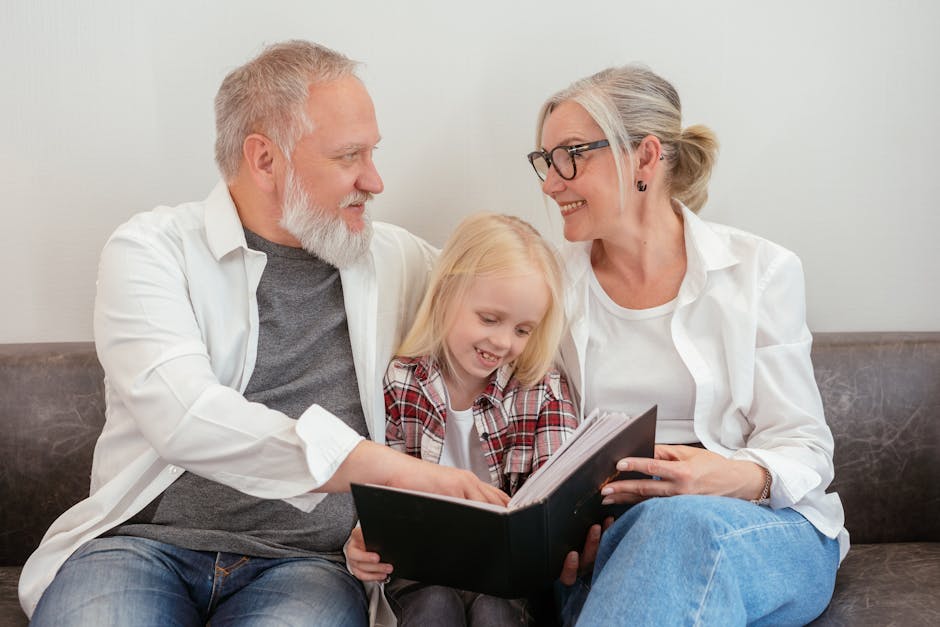
When picking a meaningful gift, paying attention to your grandparents’ age, health, and living situation is essential. Even within “in their 80s,” what works for someone active and someone in recovery is very different.
Let me lay out the picking lens by age and situation.
What grandparents in their 80s and 90s can comfortably receive
For grandparents in their 80s and 90s, the basics are gifts that don’t burden the recipient side. Heavy, bulky, complicated — best avoided.
- Easy to find a place for: Compact, easy to store
- Simple to use: No complex operation or assembly
- Easy to maintain: Minimal disposal or upkeep effort
- Considerate delivery: Time-slot delivery available
- Actually enjoyable for the recipient: Matches their stamina
Specifically, things like large appliances, big plants, or season-limited fresh foods are safer to skip. Not making them feel “what do I even do with this?” is the consideration that elderly grandparents really need.
On the flip side, things like letters, photos, omamori, small mementos — items that “don’t take space, are easy to manage, and stay in the heart” — tend to be the easiest to appreciate.
By the 90s, many people are slowly downsizing their belongings. “Don’t want any more stuff” coexists with “but the family thought really matters.” That’s a uniquely delicate timing.
What lands in that situation is a gift that takes no space but carries the feeling. Hand-sized mementos, photos, letters — physically small gifts that tend to get cherished right to the end, wouldn’t you say?
How to send gifts to grandparents who live far away
For grandparents far away, the challenge is “how to bridge the physical distance”. It’s not just shipping logistics — the way you deliver the feeling deserves thought too.
Beyond just sending it, think about delivery that lets your heart cross.
- Include a handwritten note: The feeling lands the moment they open the box
- Sync with a phone or video call: Connect at the moment of arrival
- Share the delivery date in advance: Let them prepare to receive it
- Include a family photo: Show recent kids and grandkids
- For experience vouchers, include a usage guide: Written for elderly readers
For long-distance gifting, what matters is “maximizing the joy of the moment of arrival”, in my view. The article on other ways to deliver feeling at a distance is also a useful read.
For grandparents living far away, many of you only see them a few times a year. “I’m always thinking of you” — finding a way to deliver that as a physical thing, alongside the gift. That gesture closes the distance, doesn’t it?
The fact that family doesn’t see each other often is exactly why a Keiro no Hi gift becomes “a contact point with family”. The ideal is a form where, every time they look at the gift, they remember the family. Wouldn’t you say?
Sending a Shikoku 88-temple proxy pilgrimage as a gift
Another option for a meaningful gift is sending a Shikoku 88-temple proxy pilgrimage pilgrimage. This bridges both “prayer” and “record” categories — a slightly special category of gift, in my view.
You’re entrusting your family’s wish to the thousand-year-old tradition of the Shikoku pilgrimage.
I’ll admit — at first, I was thinking “does daisan really mean something?” But riding through Shikoku and watching, up close, every brushstroke being inked at each temple’s nokyo office, my view changed. Prayer, as an act, takes physical form right in front of you — that’s exactly what I saw.
This is one of the rare options for a Keiro no Hi gift where both “the formless thing called prayer” and “the tangible thing called the nokyocho“ remain.
It’s also a fit for grandparents who wanted to walk Shikoku but couldn’t manage it physically. “I wanted to go, but I couldn’t” — daisan is a way to answer that lingering feeling, in a different form, isn’t it?
The Shikoku pilgrimage is 1,200km across 88 temples. What would normally take 1–2 months on foot, a professional walks on your behalf and delivers the prayer — that’s daisan. A special gift made of time and distance, in a form ordinary gifts can’t take.
For specifics on how the proxy service works and pricing, the proxy pilgrimage guide is the place to look.
![[Ohenro]Shikoku Pilgrimage Proxy Service: Costs and How to Choose a Trusted Provider](https://ohenro-gift.com/en/giftohenro369/wp-content/uploads/2026/03/agency_thumb-300x200.jpg)
Common Questions About Meaningful Respect for the Aged Day Gifts
- What budget range makes sense?
- Is it okay for multiple grandkids to chip in together?
- What meaningful gifts work for grandfathers?
- When should I start preparing?
- Experience type or commemorative type — which to pick?
Once-a-Year Keiro no Hi — That’s Why Your Pick Should Stay in the Heart
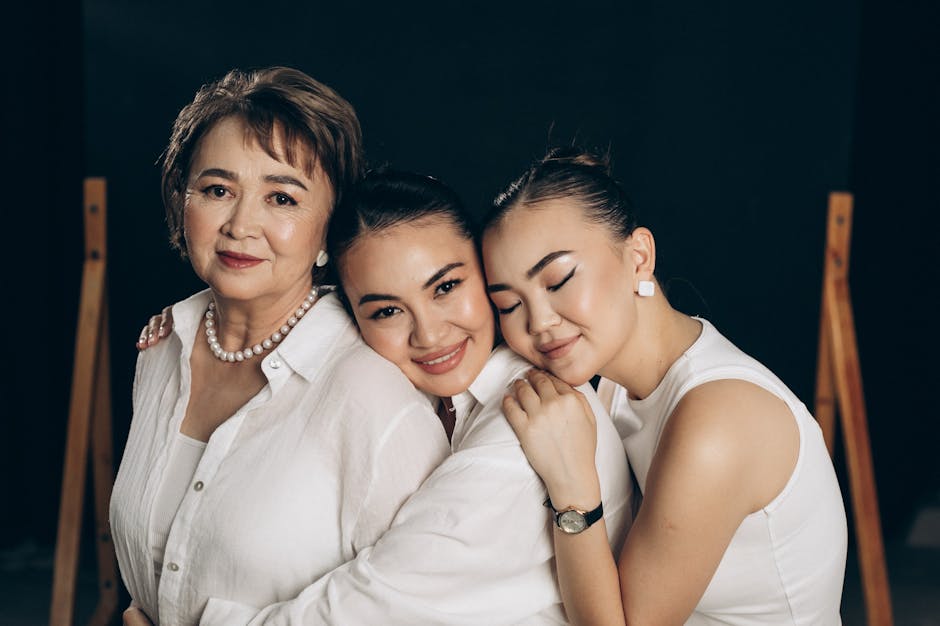
Putting “meaning” into a Keiro no Hi gift means conveying feeling, not just giving stuff. Less price or appearance, more something that stays lit in the recipient’s heart, in my view.
From the 3 categories of meaningful gifts — experience, prayer, commemorative/record — pick the shape that fits your family’s situation.
- A meaningful gift conveys “feeling” rather than “stuff”
- Pick from the 3 categories (experience / prayer / commemorative-record)
- For 80s and 90s, gifts with low recipient burden work best
- For long-distance, the way you deliver the feeling deserves thought
- Daisan for the Shikoku 88 temples bridges both prayer and record
The Keiro no Hi celebrations you can spend with grandparents are more limited than people tend to think. While “there’s always next year” plays in your head, the actual chance to give can quietly slip away.
The form matters less, but having “the heart that values the person at the center” matters most, in my view. A single letter, a single family photo — if the feeling behind it comes through, that’s a gift with full meaning.
If you’re looking for “a special gift that stays in both shape and feeling”. Ohenro Gift Bin walks the 88 Shikoku temples to deliver prayer — that’s one option to consider. The real nokyocho and on-site pilgrimage records get delivered to your grandparents.
For pricing, what’s actually included, how to explain it to family. The plans and LINE consultation page is open for casual contact. Asking is fine — no commitment needed.
▼ Related reads
- Special Gifts for Respect for the Aged Day — A Guide to Experience Gifts Grandparents Actually Love
- Can’t Make It to the Shikoku Pilgrimage? Real Options to Complete the 88 Temples Anyway
- Complete Guide to Ohenro Proxy Services — Pricing, Process, and How to Pick a Trustworthy Provider