Marking Life Milestones: Special Experience, Prayer, and Keepsakes That Carve the Cut
If that’s where your head is at, you’re far from alone — more people sit with this than you’d think.
Retirement, promotion, kanreki (60th birthday), kids leaving home. When you stand at a real life turning point, “I want to leave something” naturally surfaces.
A new watch, a memorial trip, a family dinner — those are nice markers too, but “I want a deeper way to mark this turning point” is real for many people.
In this article, I’ll lay out how to mark life’s milestones with experience, prayer, and keepsakes, the way I see it.
- What “I want to leave something” actually carries at milestones
- Why people are picking experience / record / prayer over things
- The kinds of “special experiences” that actually stick
- Treating “prayer” as an experience to mark the turning point
- How the Shikoku 88-temple pilgrimage carves the marker into life
What “I Want to Leave Something” Actually Means at a Life Milestone
The instinct that surfaces at a milestone — “I want to leave something”. A particular feeling that doesn’t come up in daily life.
Let me work through what’s actually under it.
Promotions, retirements, kanreki — the feelings that surface at the cut
Life has milestones of various sizes. The “I want to leave something” feeling has slightly different flavors at each.
By milestone.
- Promotion / career milestones: “I want to mark the effort I’ve put in”
- Retirement: “I want to give shape to gratitude for the years of work”
- Kanreki / koki: “I want a marker for the second half of life”
- Kids leaving home / marrying: “I want to carve the family-era turning point”
- Recovery from serious illness: “I want to mark the restart”
- After losing a spouse: “I need protected time to organize my feelings”
What ties these together: “I don’t just want time to pass — I want to mark the turn myself.” An active urge to give meaning to the moment.
Picture “someone wrapping up 40 years of corporate life and retiring.” The retirement bonus and the farewell trip are nice — but they often don’t deliver enough “marker” feeling.
Why people are leaving experience, records, and prayer instead of things
For milestone markers, more people are picking “experience / record / prayer” over physical objects. There’s a values shift behind it.
Why these formats are winning.
- Doesn’t fade with time: things wear; memory deepens
- Becomes part of your life story: a story you can retell later
- Shareable with family: “remember when…” comes up at dinner
- Helps internal organization: the time spent facing the milestone is the value
- Expands your worldview: gives you a perspective daily life can’t
So “the era of marking milestones with things” is shifting to “the era of carving milestones with experience.” A natural drift in a society where material abundance is given.
For the same logic from the birthday-self-gift angle, “Birthday self-gift done right: picking a special experience that actually stays” walks through it. Common ground for milestone-experience picking sits there.

Special Experience as a Milestone Marker
The concrete options for marking milestones with experience, sorted by category.
What “special experience” really means — beyond travel, food, things
The default ideas for milestone markers are travel, food, things. “Special experience” lives one layer deeper than those.
Sorted by depth.
| Category | Examples | Milestone fit |
|---|---|---|
| Daily-life extension | Eating out, shopping, nearby trips | △ (doesn’t stick as a marker) |
| Memorial travel | Overseas, hot springs | ○ (family enjoyment) |
| Learning experiences | Cooking class, short study abroad, certifications | ○ (ties to growth) |
| Challenge experiences | Mountain climbing, cycling, marathons | ○ (achievement sticks) |
| Inner-work experiences | Meditation retreats, sutra copying, pilgrimage | ◎ (deeply matched to milestones) |
| Prayer experiences | Shrine/temple tours, ohenro | ◎ (carves the life turning point) |
Looking at milestone fit, “inner-work and prayer experiences” stand out. Daily life can’t deliver that depth of time, and that depth is what carves milestone meaning.
Especially for “milestones loaded with reflection or gratitude”, experiences with internal movement land better than surface fun. The internal motion stays as the marker.
“Prayer as experience” for marking the cut in life
“Prayer” sounds religious, but at milestones prayer functions as “dialogue with yourself”.
Why prayer works as a milestone experience.
- Expressing gratitude for what got you here: shaping feelings for those who supported you
- Closure for the past: a ritual confirming “this part is done”
- A declaration of intent for the future: announcing the next stage to yourself
- Time to dialogue with yourself: depth of internal work that daily life blocks
- A psychological marker: the brain registers “this is a turning point”
So milestone prayer is “a ritual of marking the cut internally.” It locks the physical milestone in as a psychological one.
For the kind of serious milestone prayer that gets picked, “Serious ganakake at the Shikoku 88” walks through it. Milestone-fit angle is where to look.
Carving Milestones Through Ohenro: A Special Form of Marker
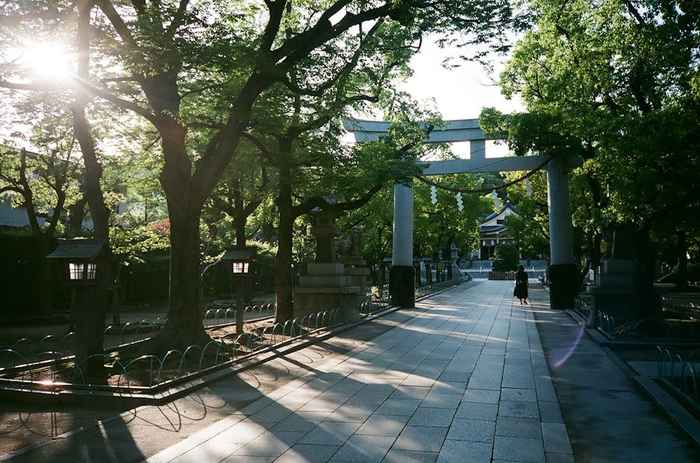
Among prayer experiences picked for milestones, the Shikoku 88-temple ohenro stands out. A 1,200 km pilgrimage route — a deep way to carve a life turning point.
How walking the Shikoku 88 carves the cut into your life
The 88 temples work overwhelmingly well as a milestone experience for several reasons.
Sorted out.
- 88 temples / 1,200 km scale: a scale daily life can’t match
- A thousand-plus years of history: opened by Kobo Daishi (Kūkai) in the 9th century
- “Dōgyō ninin” tradition: walking with Kobo Daishi as a unique concept
- A real nōkyōchō: physical record with seals and calligraphy from all 88
- Roots as a Japanese person: connection to a uniquely Japanese religious tradition
What ties these together: “a scale that matches the weight of a real milestone.” Big milestones — graduation, retirement, kanreki — call for experiences with matching scale.
Walking the route takes 45–60 days across 1,200 km; that experience itself carves the milestone hard. Daily life never delivers that flow of time.
Daisan: leaving the marker even when you can’t go yourself
“I want to walk the Shikoku 88, but physically or scheduling-wise it’s tough” — that’s a real situation. Daisan (proxy pilgrimage pilgrimage) is also an option.
What daisan leaves behind.
- A real nōkyōchō: seals and calligraphy from all 88 — proof of pilgrimage
- Pilgrimage report: photos and video from each temple
- Byakue dedication: with the client’s name, recorded
- “Dōgyō ninin” with Kobo Daishi: prayer carried under the thousand-year framework
- A milestone prayer record: documented gratitude, intent, resolve
The strength of daisan: “the milestone marker stays in physical form even if you can’t move yourself.” Receiving the nōkyōchō at retirement or kanreki carves the moment hard.
Picture “someone retiring at 65 who wants to leave a real marker, but can’t physically make it to Shikoku.” Daisan delivers a usable solution.
For the kanreki-side of milestone experience-gifting, “Rare experience gifts for kanreki celebrations” walks through it. From the family-giving angle, but the milestone-marker logic translates.

FAQ on Marking Life Milestones
- When picking an experience to mark a milestone, what’s the criteria?
- Can I do a milestone prayer if I’m not religious?
- If I can’t physically do the Shikoku 88, what are the options?
- When should I start preparing for a milestone marker?
- Is doing something “for myself” rather than “for family” at a milestone selfish?
Mark Your Milestone With Real Experience and Prayer

Life milestones just blur past if you don’t act. Deliberately creating a “marker” is what turns the moment into a real keepsake.
Don’t buy something — pick experience, record, prayer. That’s becoming the standard way to carve milestones in modern life.
- “I want to leave something” at milestones is the urge to mark time
- “Experience / record / prayer” is winning over things in modern milestone-marking
- By milestone-fit, “inner-work and prayer experiences” carve the deepest
- The Shikoku 88 has the scale to match real milestone weight
- If physical attendance is hard, daisan delivers a real nōkyōchō to keep
If “I want to leave a real marker at a major life milestone” describes the feeling — Ohenro Gift Bin, walking the 88 temples to deliver prayer, is one option to consider.
A real nōkyōchō and a record of the pilgrimage land as a milestone marker that stays in your hands. Place it on the alcove or in the study — proof of the cut, permanently.
If you’re considering daisan, talk through prayer content and timing with a provider first. Confirm pricing, the process, and what they cover, then move forward only when you’re convinced.
For broader provider-selection guidance, the complete ohenro daisan guide walks through the criteria.
For pricing, the mechanics, or how to align with your milestone schedule — anything worth asking, please reach out via the plan and LINE consultation page. Even just a question is fine.
“How do I use this for my own milestone?” “How do I explain it to family?” — specific questions get straight, honest answers, one at a time. Moving forward only when you’re convinced is what we want too.
Mark your life milestone deliberately. Pick something where, when you look back later, “I’m glad I did that” lands.
▼Related reads
- Serious Ganakake at the Shikoku 88: How Daisan Delivers Real Prayer at Life’s Turning Points
- Birthday Self-Gift Done Right: Picking a Special Experience That Actually Stays
- Rare Experience Gifts for Kanreki Celebrations: Special Presents for the 60th Birthday
![[Ohenro]Shikoku Pilgrimage Proxy Service: Costs and How to Choose a Trusted Provider](https://ohenro-gift.com/en/giftohenro369/wp-content/uploads/2026/03/agency_thumb-300x200.jpg)