
Your Parent Always Wanted to Walk Shikoku: How to Fulfill That Pilgrimage Wish Before It’s Too Late

Have you caught yourself, out of nowhere, remembering a specific thing your parent once said they wanted to do?
Something you nodded at politely when they said it, and totally filed away — until a quiet Sunday twenty years later, it comes back with weight it didn’t seem to have the first time.
That’s usually when the uneasy feeling kicks in. The realization that it wasn’t small talk. It was actually a wish — and you let it sit.
Meanwhile, the honest logistics say: flying Mom or Dad across the country to walk 1,200 km of Shikoku isn’t happening.
This article lays out how to honor that specific wish — an ohenro your parent never got to walk — without pretending they can suddenly do it themselves.
- Why so many Japanese parents specifically wanted to walk Shikoku
- The three real walls — stamina, distance, time — that stop it from happening in old age
- Daisan (proxy pilgrimage): the centuries-old fix for exactly this problem
- How to set one up and what to talk about with your parent first
By the end, you’ll have a concrete way to move a dead-end wish into something that actually happens — even if your parent never sets foot in Shikoku.

What Actually Pulled Your Parent Toward Shikoku in the First Place
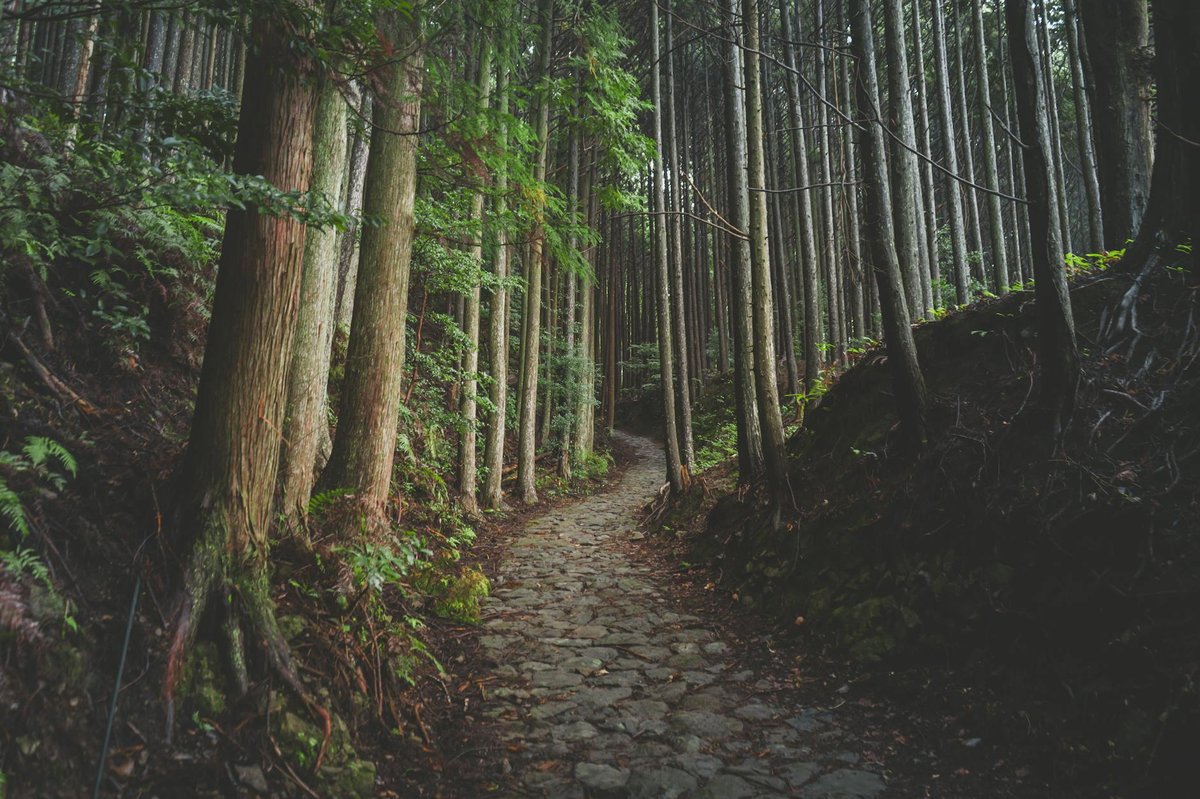
Before you figure out how to fulfill the wish, it helps to understand what the wish actually was.
Because here’s the thing — when a Japanese parent says they wanted to walk Shikoku, they are almost never talking about a vacation.
If you treat the wish like a tourism gap and try to patch it with a guided tour or a nice souvenir, you’ll miss what they were actually reaching for.
And that gap is why a cruise or a restaurant gift card never quite scratches the itch.
Why Shikoku Has a Gravitational Pull Most Trips Don’t
The Shikoku pilgrimage runs roughly 1,200 kilometers around the four prefectures of Shikoku — Tokushima, Kochi, Ehime, and Kagawa — visiting all 88 temples linked to the 9th-century monk Kobo Daishi (Kukai).
On foot, it takes 45 to 60 days. Twelve centuries of pilgrims have walked it. That fact sits differently in a Japanese mind than any Caribbean itinerary ever could.
- A 1,200-year-old path with a real spiritual lineage, not a recreated one
- Dogyo Ninin — the idea that Kobo Daishi walks beside you the entire way
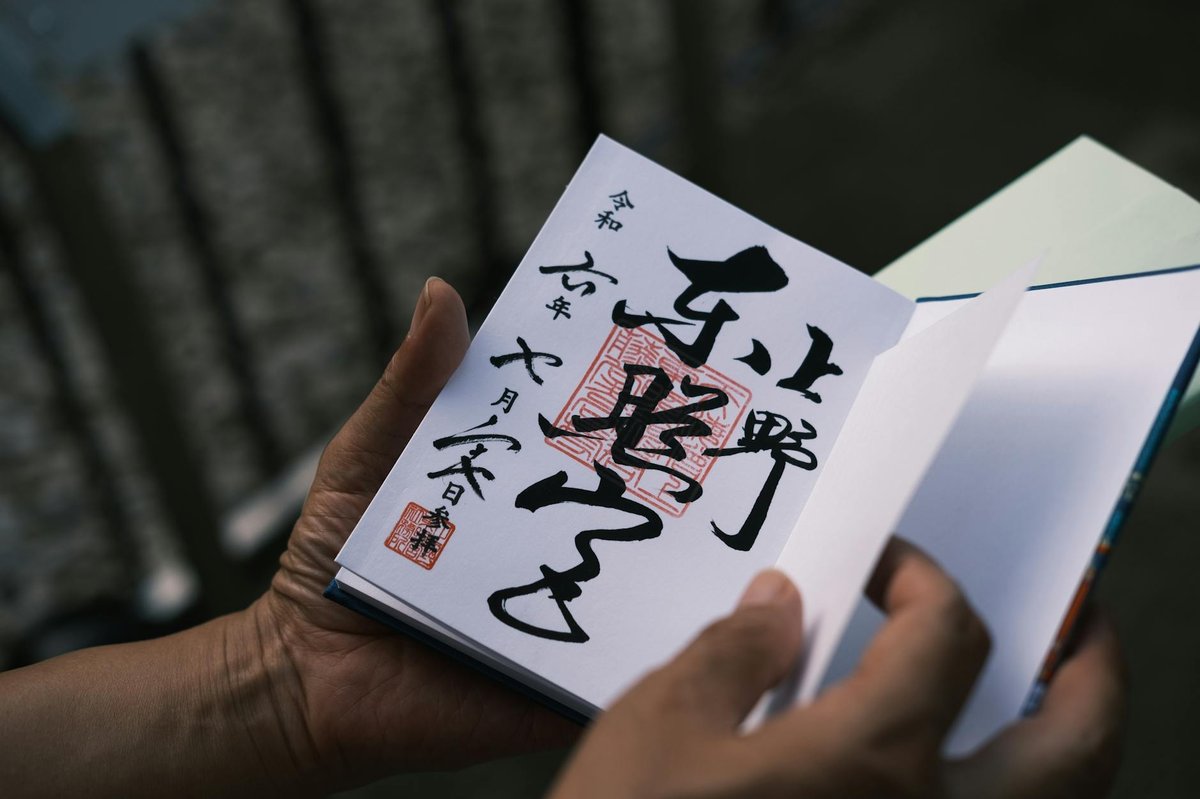
- A physical nokyocho (stamp book) with 88 hand-stamped seals by the time you finish
- A byakue (white pilgrim’s robe) that comes back marked by the journey
It’s the only “trip” where you come home with tangible, hand-inked proof that you walked every step. That’s a different emotional category from “nice vacation.”
So when a parent watches an Ohenro documentary on NHK and goes quiet for a minute, that quiet isn’t spiritual tourism. It’s usually closer to, “I’d like to do something meaningful with the time I’ve got left.”
Why This Wish Shows Up at 60, 70, or After a Loss
The pilgrimage wish rarely shows up at 40.
It usually surfaces after some kind of life pivot — kids leave, retirement lands, a sibling or parent passes. That’s when a lot of people start thinking about what they want to do with the second half, and Shikoku enters the picture.
For some parents, it’s tied to an older relative they lost. They want to walk 88 temples on behalf of someone else — a brother, a spouse, a parent who never made it.
So when your parent said “I want to go someday,” they often meant something closer to “there’s a chapter of my life I want to close properly, and that path is how I want to close it”.
Which is exactly why “eh, next year” stings so much in retrospect. Someday, it turns out, had a real deadline attached to it.
The Three Walls Between a 70-Year-Old and 1,200 km of Pilgrimage
Wanting it and being able to do it are two different problems.
For a parent in their 70s or 80s, the gap between those two isn’t a little motivational gap. It’s a physical, geographic, calendar-sized gap.
Pushing past that gap on feeling alone is how elderly pilgrims get hurt, exhausted, or end the trip with regret instead of closure. So it’s worth looking at the walls honestly.
Stamina, Distance, and Calendar — Each One Alone Is Enough
Here are the three walls most families hit:
- Stamina: 5–15 km a day on foot, steep temple stairs, Shikoku’s summer heat and winter cold — even for a fit 40-year-old, this is a serious undertaking
- Distance: Getting from home (often Kansai, Kanto, or overseas) to Shikoku and back, plus the 1,200 km loop itself
- Calendar: 45–60 days on foot, or 10 days to 2 weeks minimum even by car or bus tour
The stamina wall is usually the one your parent feels first, and won’t say out loud. Stairs that used to be nothing now require a strategy. A backpack for 45 days straight? Not realistic, and they know it.
The distance wall hits you — the adult child. Because if they can’t do it alone, the unspoken assumption is that you go with them. Which means six to eight weeks off work, travel costs for two, and full-time caregiving in a rural prefecture where you don’t know the terrain.
And even the “easy” versions — a 10-day bus tour — still assume a parent can handle long days, Japanese rural inns, and medical continuity far from home.
The Window Closes Faster Than Anyone Warns You
Here’s the part that gets people.
In their 60s, most parents will actually entertain “we’ll go together one day.”
By the mid-70s, long-distance travel itself becomes the thing they start opting out of — long before the walking does.
By their 80s, a lot of parents quietly shift from “I wanted to go” to “it’s fine, I’m past that now.”
That shift isn’t them giving up. It’s their body and mind reconciling with reality. But from your side, it means the window where “let’s actually do this” would have worked has already closed — and nobody sent a warning.
The most common form of regret I hear isn’t “we never talked about it.” It’s “we talked about it, and then we just… didn’t get to it in time”.
For the bigger picture on this pattern — the “I’ll do it before it’s too late” framing for aging parents — I wrote a separate piece on avoiding regret with aging parents that pairs well with this one.
But even if the walking window has closed, the pilgrimage itself doesn’t have to close with it. That’s what the next section is about.
You Don’t Have to Let the Wish Die: Daisan, the Centuries-Old Proxy Pilgrimage
If your parent can’t walk Shikoku, and you can’t realistically walk it together, there’s an option that predates both of you by about a thousand years.
It’s called daisan — literally, “pilgrimage performed on someone’s behalf.”
Most Westerners have never heard the word. Most Japanese parents have, even if they haven’t used it. It’s a traditional, completely legitimate workaround for exactly this situation.
What Daisan Actually Is — And Why It’s Not a Shortcut
Daisan is the practice of walking a pilgrimage on behalf of someone who can’t walk it themselves.
It traces back to aristocratic Heian-era Japan and then became a mass-market practice during the Edo period, especially for Ise pilgrimage — villages would send one representative to walk on behalf of dozens of people who stayed home.
Shikoku’s own core doctrine, Dogyo Ninin (“two walking together”), already assumes the walker isn’t alone. Kobo Daishi is understood to walk beside the pilgrim. So the idea of “someone else’s intention walking beside the physical walker” is built into the tradition, not bolted on.
- It’s a documented, 1,000-year-old pilgrimage custom — not a workaround invented by tour operators
- Dogyo Ninin philosophy explicitly makes room for someone walking on another’s behalf
- Letting the wish die is arguably further from honoring it than having someone else walk with that wish in mind
I hear the concern regularly: “Isn’t it disrespectful to the temples, or to Kobo Daishi, to send a substitute?” Honestly, it’s the opposite.
I put together a full piece on whether proxy pilgrimage is disrespectful if you want the long-form answer.
What matters in practice isn’t who’s holding the staff. It’s whether the person walking is carrying someone else’s intention seriously.
The Thing Your Parent Will Actually Hold in Their Hands
What makes daisan emotionally meaningful — and distinct from, say, sending a prayer card — is the physical evidence.
With a real daisan service like Ohenro Gift Service, someone actually walks all 88 temples, has the nokyocho hand-stamped at each one by the temple’s calligrapher, and mails the completed book to your parent.
- A nokyocho — the real stamp book, with 88 hand-inked seals from actual temples
- The byakue (white pilgrim robe) worn during the walk
- GPS tracking and real-time video so they can follow the walk as it happens
- Local Shikoku regional souvenirs and a written pilgrimage report
Temple stamp fees, post-2024, run ¥500 per temple × 88 temples = ¥44,000 total (roughly $300 USD at current rates). That’s a fixed cost set by the Shikoku pilgrimage association, and it applies whether you walk it yourself or have someone walk it for you.
The result, from your parent’s point of view, isn’t “someone else went somewhere.” It’s closer to “my wish walked Shikoku, and came back with proof.”
That’s a very different object from a framed photo or a polite gift card.
For a deeper look at the history and meaning of daisan specifically, this explainer on proxy pilgrimage tradition covers the rest.

How to Actually Set Up a Proxy Ohenro (And What to Ask Your Parent First)
Okay — so daisan exists, it’s legitimate, and it produces something real. Next question: how do you actually arrange one?
Honestly, the logistics are simpler than most people expect. The two things worth thinking about carefully are who you ask to walk it and how you frame it with your parent.
The Actual Steps From Inquiry to Delivery
Broadly, people have three options for “getting ohenro walked on someone’s behalf”: family or friends, a temple directly, or a dedicated daisan service. The trade-offs between those are what I lay out in this guide on having someone walk ohenro for you.
For a full daisan service, the flow usually looks like this:
- Free consultation: You share your parent’s situation and the intention behind the walk (via LINE, email, or contact form)
- Choose the scope: All 88 temples, a 44-temple half, or a specific region — depending on budget and intention
- Confirm and book: Finalize details, sign the agreement, handle payment
- Pilgrimage begins: The walker starts at Temple 1 and works through Shikoku on foot, with the nokyocho and byakue carried the whole way
- Live updates: GPS tracking and real-time video let your parent watch the walk unfold
- Final delivery: Completed nokyocho, byakue, local Shikoku souvenirs, and a written report shipped to your parent’s home
The one step where I’d slow you down is step one — the free consultation. Ask everything you want to know before committing anything. Don’t be polite about the awkward questions.
And if you want a filter for spotting shady operators versus trustworthy ones, I wrote a piece on how to tell if a daisan service is legit. It’s written for exactly this nervous-but-serious-buyer moment.
On what it actually costs and why, the pricing breakdown piece has the full math.
The idea is: don’t book on feeling alone. Look at the operator the way you’d look at anyone you were trusting with something irreplaceable.
The Conversation to Have With Your Parent Before You Book
Here’s something almost nobody brings up: whether to tell your parent beforehand, or gift it as a surprise.
In my experience, telling them beforehand works better. Not because surprise is bad, but because daisan is a weirdly specific ritual, and your parent almost certainly has a weirdly specific intention attached to it.
They might want the walk done for themselves. Or for a departed sibling. Or for a specific temple that mattered to their family.
- Who — or what intention — do they want the walk carried for? (Themselves, family, someone who’s passed)
- Do they want the full 88, a specific section, or just a handful of key temples?
- How do they imagine the nokyocho living in their home afterward — on the family altar, a shelf, a gift to a grandchild?
A single 15-minute conversation like this changes the emotional weight of what arrives in the mail months later.
Without it, you’ve given them a nice pilgrimage record. With it, you’ve given them their pilgrimage, completed.
If surprise is important to you for personal reasons, that still works — just try to infer the intention from things they’ve said in the past. Even a guess, carried seriously, beats walking 88 temples with a blank intention.
One more thing: with a service that offers live video and GPS tracking, your parent isn’t just receiving a finished book months later. They’re watching Shikoku go by in near-real-time, as it happens. That alone turns the gift into a shared experience instead of a sealed envelope.
Questions I Hear Most From Readers Whose Parent Wanted to Walk Shikoku
A few recurring questions worth answering directly, in case one of them is the thing holding you back.
- My parent mentioned Shikoku more than a decade ago. Is it weird to act on it now?
-
Not even a little. A wish your parent voiced ten years ago usually hasn’t disappeared — it’s just quieter. Often the decade of distance is actually helpful: the initial excitement has settled, and what’s left is the core intention. That makes it easier, not harder, for your parent to receive a gift built around it now.
- My parent is dealing with early cognitive decline. Does daisan even make sense anymore?
-
Yes — sometimes even more than before. The nokyocho and byakue remain meaningful regardless of whether your parent can fully articulate what the pilgrimage is. And for family members, the record becomes something durable that outlasts the cognitive decline itself. “Someone walked 88 temples holding your name” is a fact that survives even when the language to describe it doesn’t.
- Extended family is going to accuse me of “taking a shortcut.” How do I push back?
-
Daisan has a documented thousand-year history — it’s rooted in the Heian and Edo periods, not invented recently. When family pushes back, a short primer on the tradition usually does most of the work for you. I’d send them the “is proxy pilgrimage disrespectful” article before you have the conversation — it’ll do 80% of the arguing on your behalf.
- My parent has already passed. Is daisan still an option?
-
Yes. Memorial daisan is a well-established use case — a lot of families arrange one around the 49th-day rite, the first anniversary, or a major memorial like the 7th. The completed nokyocho typically ends up on the family altar or near the ihai (memorial tablet), functioning as a long-form tribute rather than a one-day ceremony.
- Ballpark cost for a full proxy ohenro?
-
It varies, but a full walking proxy pilgrimage generally lands in the range of ¥500,000 to ¥2,500,000 (roughly $3,500–$17,000 USD), depending on scope and service level. The ¥44,000 temple fee (¥500 × 88) is a fixed floor every operator has to include. For the full cost breakdown, the pricing article walks through what you’re actually paying for.
Turning “I Wish We’d Gone” Into “Someone Walked It for Us”

A wish a parent voiced years ago tends to live in this strange holding pattern — it comes back to you every so often, then drops back under the surface when life gets busy.
What I want to leave you with is that the wish doesn’t have to be buried with the walking window.
If your parent genuinely can’t make the trip themselves, you don’t need to stretch them into it. Daisan exists exactly for this situation. The pilgrimage actually gets walked. The nokyocho and byakue actually arrive. The intention gets carried.
And years later, when your parent picks up that book, the story in their head isn’t “my kid outsourced a trip”. It’s “my wish got its 88 temples after all.”
- Recall the specific thing your parent once said — and casually bring it up again in the next conversation
- Mention daisan as an option and see how they react — you’ll learn a lot from their first 30 seconds
- Reach out to a service you’re curious about for a no-pressure consultation — no need to commit
At Ohenro Gift Service, we offer the full setup: an actual on-foot pilgrimage, real-time video and GPS tracking, and a hand-stamped nokyocho — built around the specific intention you and your parent define together.
There’s no pressure to book anything. Plenty of readers message us just to ask, “Is daisan even something you can request for a parent like mine?” — and that’s a perfectly valid opening line.
You can look at pricing, plan tiers, and scope on our plan page or proxy pilgrimage service page.
And if you’re stuck on step one, the simplest next move is to ask your parent, one more time, what they remember about wanting to walk Shikoku. A lot of families find their answer somewhere in that conversation.
The wish doesn’t have to expire with the walking. And the fact that you’re still thinking about it, years later, is already most of the work.
![[Ohenro]Shikoku Pilgrimage Proxy Service: Costs and How to Choose a Trusted Provider](https://ohenro-gift.com/en/giftohenro369/wp-content/uploads/2026/03/agency_thumb-300x200.jpg)