
Experience Gift Ideas for Keiro no Hi: What Grandparents Actually Enjoy
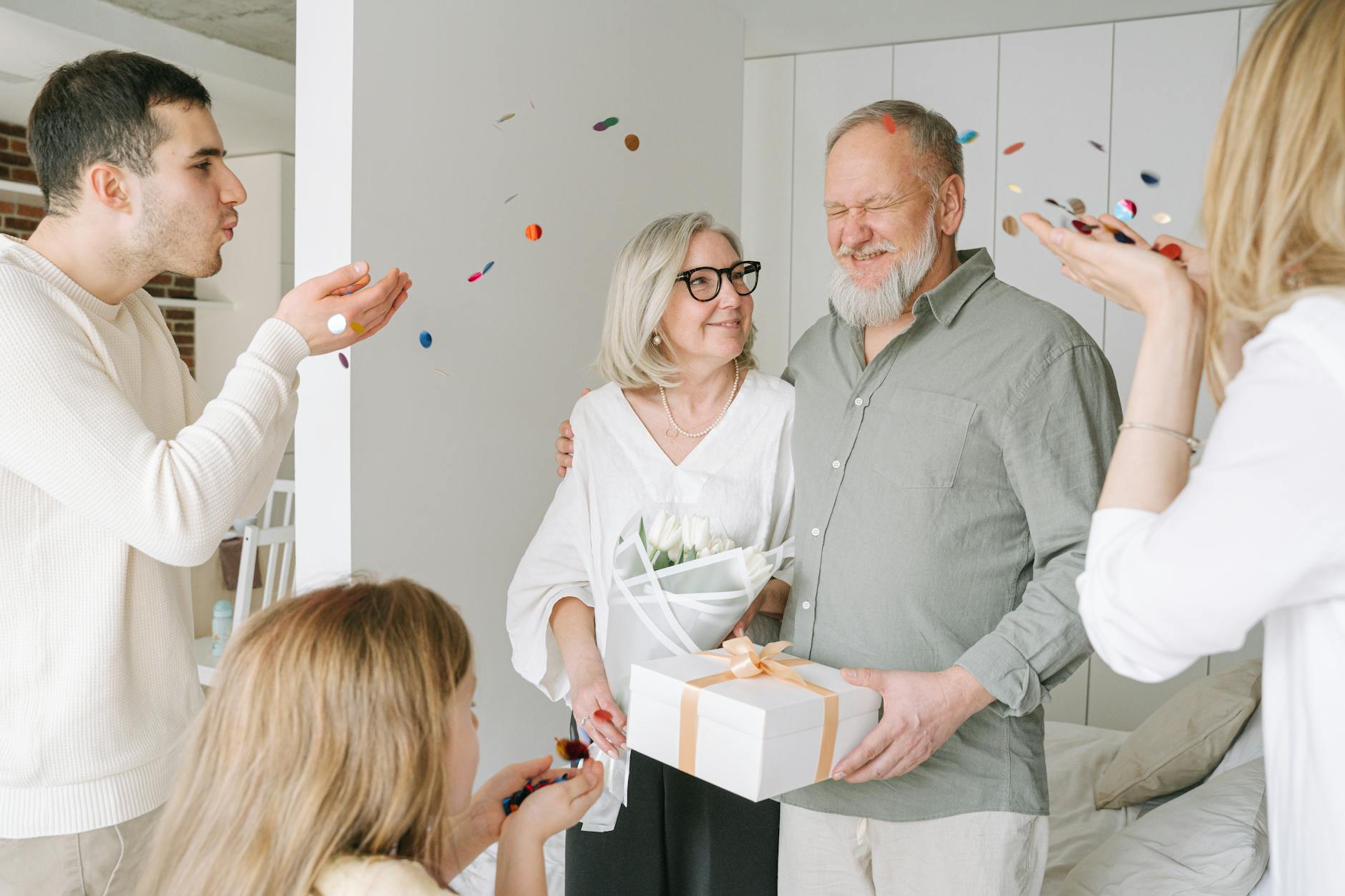
Every year it’s been flowers or sweets. I want to step up to something that creates a memory, but “experience gifts” is such a huge category — I can’t figure out what fits a grandparent.
If you’re thinking about giving an experience gift for Keiro no Hi, you’re not alone in feeling a little stuck.
Grandparents at 70 or 80 already have most of the “stuff” they need. Giving them the same boxed gift year after year starts to feel flat — and slightly impersonal.
But experience gifts have way too many options. Cooking classes, onsen (hot springs), concerts, photo sessions — it’s hard to tell what actually works for grandparents. “I don’t want to mess this up” makes the decision heavier than it should be.
So in this article, I’ll walk you through how to pick an experience gift for Keiro no Hi that actually lands with your grandparents — covering the three filters to use, real examples that work, and the “keeps-a-record” option that’s been quietly gaining ground.
- Why experience gifts work so well for grandparents specifically
- The three filters to pick the right experience gift
- Concrete examples of experience gifts that grandparents enjoy
- Health and expiration-date checks that prevent the gift from missing
- The newer “experience that leaves a keepsake” category

Why Experience Beats Objects for Keiro no Hi Gifts
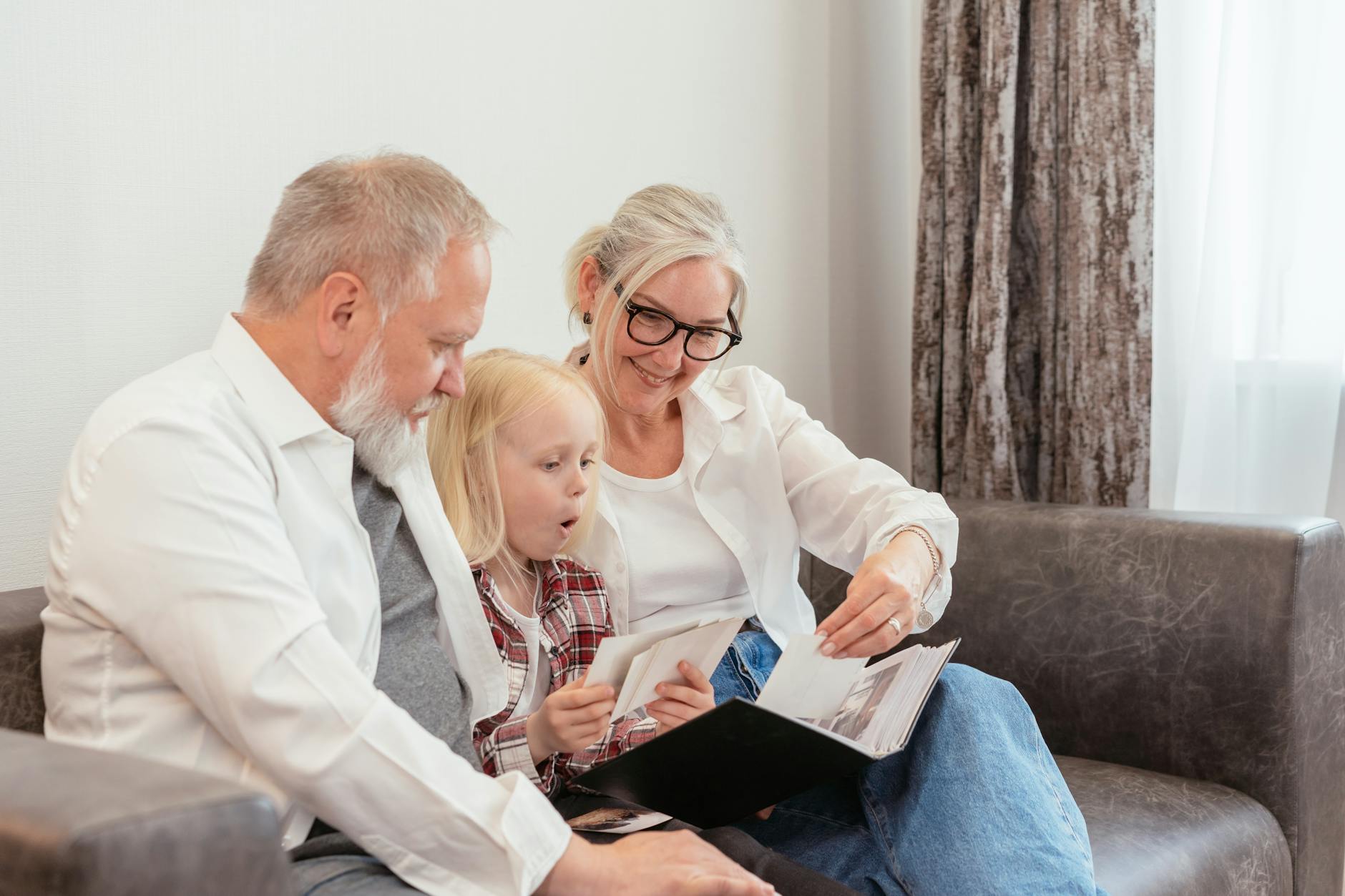
The reason experience gifts work so well for Keiro no Hi is that there’s a mismatch between grandparents’ age and the “volume of stuff” they already have.
By 70 or 80, the house is full of what they need. Giving more objects stops landing the way it used to. Time and memory, on the other hand, get more valuable with age.
Why “I Got It But Never Use It” Doesn’t Happen
The classic gift failure mode is “thanks, but this is still in the closet”. For grandparent-age recipients who already have the essentials, this happens more than people like to admit.
Experience gifts dodge this entirely. Physically, nothing accumulates — so nothing gets shelved or forgotten.
An experience gift’s value actually grows in three phases: anticipating it, doing it, and remembering it afterward. Objects don’t have that compounding effect — experiences are a different shape of gift entirely.
For example, an onsen trip gift creates value across the planning time, the trip itself, and the months of looking back on it later. Very few physical gifts have that kind of depth.
The “thanks, but I’ll just tuck this away” reflex also rarely fires for experiences — which is a quiet but real advantage.
Experiences Get More Valuable With Time
The other thing experience gifts have going for them is “value that increases as time passes”.
Objects age and eventually get discarded. Experiences do the opposite — they stay in memory, and years later people are still telling the story of that day.
For grandparents, “special family time accumulated in the later chapters of life” becomes a kind of irreplaceable asset. An experience that keeps getting referenced every time they see the album — that’s exactly that kind of gift.
Picking an Experience Gift: Three Filters That Actually Work
The key to picking an experience gift for grandparents is filtering by stamina, interests, and distance.
The “right” Keiro no Hi experience for an active 70-year-old and a 90-year-old with mobility issues looks completely different. These three filters do most of the work.
Narrow by “How Far Can They Travel”
The single biggest filter is travel distance. What they can physically handle defines the entire set of viable options.
- Can travel (active type): trips, onsen, sightseeing, cruises — experiences outside the home
- Local only (mid-range type): nearby restaurants, cafés, workshops, photo studios
- Can’t leave home (home-based type): in-home chef, delivery course meals, home photo sessions, or an experience someone does on their behalf
For grandparents who still travel, going on the trip as a family is usually the strongest play. “Time together with family” becomes the actual gift, which carries more weight than the trip itself.
For local-only types, a low-effort dinner reservation works well. Booking a great restaurant within taxi range is already a legitimate experience gift.
For home-based types, “experiences delivered to them” become the answer. In-home chefs, premium delivery meals, home photo sessions — formats where the experience comes to the grandparent.
How to Ask When You Don’t Know What They Like
When their preferences aren’t obvious, asking indirectly works better than asking directly. Many grandparents will just say “anything’s fine” if you ask them straight up.
Some workarounds that actually surface real information:
- Ask your parents (their kids): people who see them daily know what they’re into
- Recall old offhand comments: “I always wanted to go to…” or “that reminds me of when…”
- Use photo albums as a prompt: flip through old photos and ask “want to go back here?”
- Compare notes with siblings: things you can’t see from your angle often surface through theirs
Especially old offhand comments often contain forgotten wishes. “Places they wanted to go when they were young,” “things they wanted to try but never did” — these become real experience-gift ideas.
If direct questions don’t work, gathering sideline information usually does.
Popular Experience Gifts Grandparents Actually Enjoy
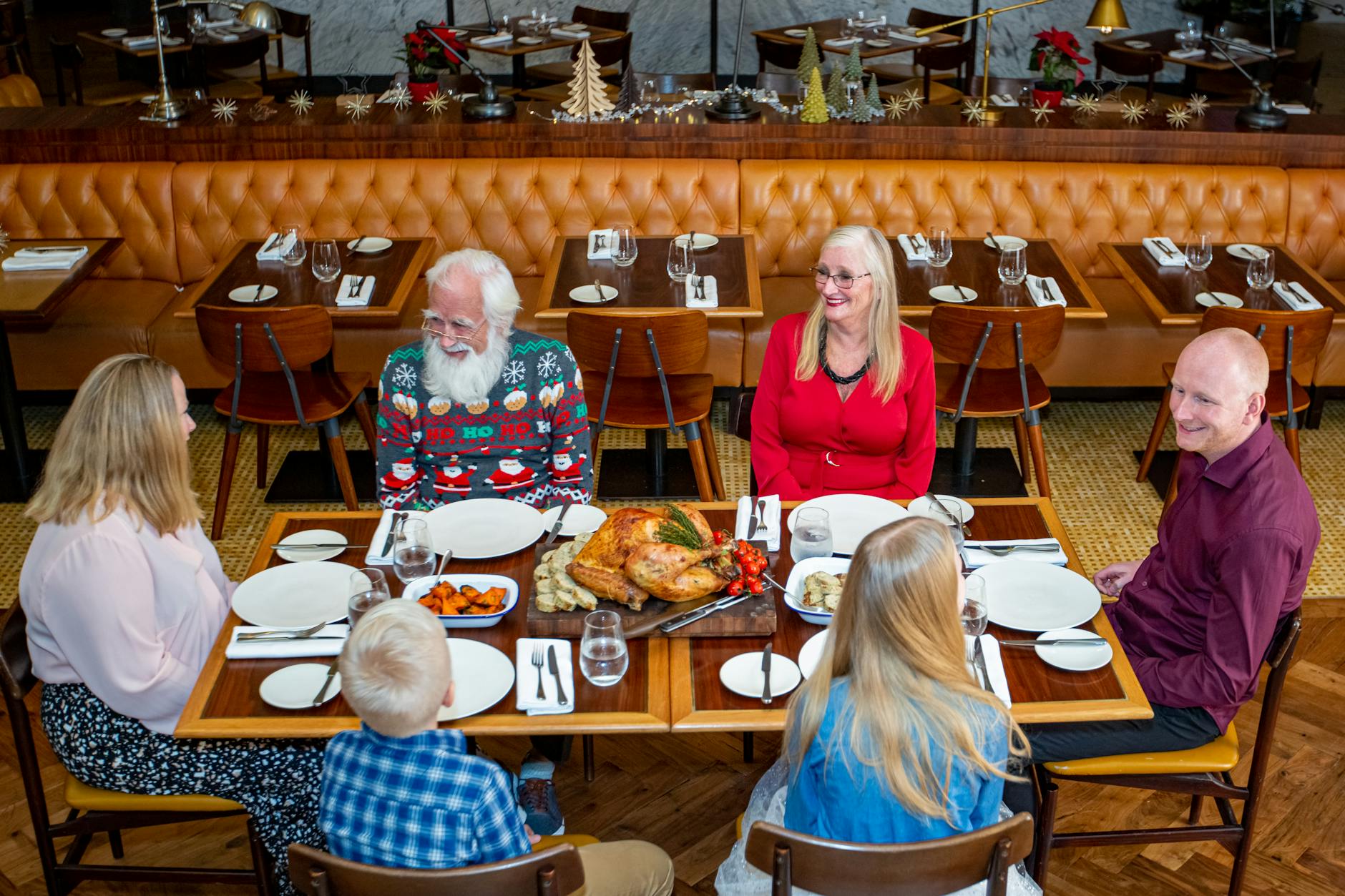
Real experience gifts that show up repeatedly for Keiro no Hi fall into a handful of clear categories.
Here are the options that tend to land well with grandparents, from the classics to less-obvious picks.
- One-night onsen trip: especially family-accompanied — the gold-standard type
- High-end restaurant dinner: low travel effort, strong occasion feel, shared time
- Family portrait session: a professional photo that lives across generations
- Traditional theater, rakugo, concerts: entertainment that resonates with their generation
- Pottery or wagashi-making workshops: hands-on experiences that leave something tangible
- Boat ride or scenic cruise: low physical load, great views, comfortable for 80+
- In-home chef or delivery course meal: a special meal without leaving the house
- Proxy pilgrimage or similar “carry-the-prayer” gifts: someone else takes the action on their behalf
Among these, anything that includes “time spent with family” tends to hit hardest for Keiro no Hi specifically.
An onsen trip gift tends to land much better when the family actually joins, rather than handing grandparents a voucher. The gift is the family time — the trip is just the vessel.
On the other end, low-stamina experiences like photo sessions and boat rides are the safe picks for 80-somethings and 90-somethings who can’t travel much.
When stuck, a useful filter is: “Is this the kind of experience they’ll want to tell people about afterward?” If they’ll be saying “Remember that time…” for years, it was the right pick.
If you want to dig specifically into “what does it mean to gift a pilgrimage?” — that’s its own deeper topic.
“Ohenro as a Gift: Why Walking Shikoku for Someone Has Become a Meaningful Way to Honor a Parent” is a good follow-up if that angle interests you.
Pre-Delivery Checks: Getting the Context Right
Experience gifts are the type where “what you verify before giving it” determines whether the gift actually lands.
Unlike objects, experiences involve timing, physical condition, and travel companions as moving parts. Here’s what to pin down before handing it over.
Verify Health and Medical Conditions First
The most critical pre-check is your grandparents’ health and any medical conditions. Miss this and a great-sounding gift turns into a burden.
For example, if the gift is an onsen trip, here’s what to confirm:
- Bathing restrictions: grandparents with heart conditions or high blood pressure shouldn’t do long baths
- Dietary restrictions: diabetes, allergies — any dishes they can’t eat
- Travel load: distance from station to inn, stairs involved
- Medication timing: where they store meds, anything needing refrigeration
- Solo vs. accompanied: can they go alone, or does family need to join
Asking grandparents directly about these often gets you “don’t worry about me.” Check with their kids (your parents) instead — they’ll have the realistic information.
For pottery or cooking workshops, also verify “can they stand for that long? Are their knees and back up for it?” Even someone who seems energetic can get wiped out by extended standing.
Pick “Use-Anytime” Flexibility Over Fixed Dates
The other thing to optimize for is how long the gift stays valid.
Grandparent-age plans shift based on weather, health, and energy on any given day. Short expiration windows like “must use next Sunday” tend to go unused when the day doesn’t work out.
Whenever possible, aim for experience gifts with a year or more of validity. The flexibility to “use it when it feels right” lets grandparents actually enjoy it instead of stressing about it.
Especially catalog-style gift formats let grandparents pick both the experience and the timing — high autonomy, low pressure. For Keiro no Hi specifically, a “they choose what and when” format is often the smart play.
The Keepsake Angle: Experience Gifts That Leave Something Behind
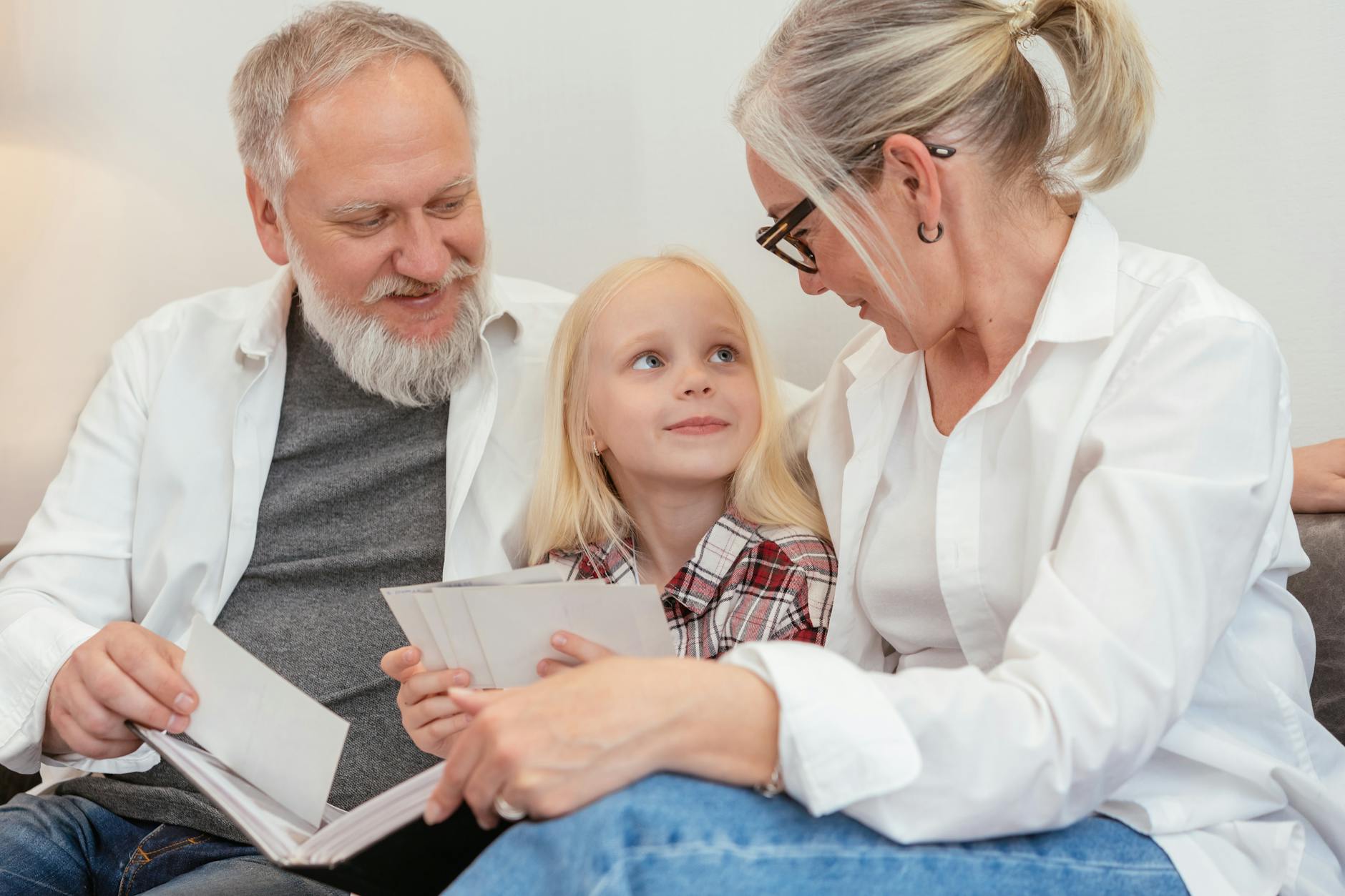
Within experience gifts, a category that’s been gaining traction lately is “experience gifts that leave a keepsake”.
The experience itself is a moment, but when a record or certificate remains, the memory gets physicalized too. That combo resonates especially well with grandparents.
Why Certificates or Records as Keepsakes Matter
The usual complaint about experience gifts is “you end up with just a memory — nothing to actually hold.” Some people on both sides of the gift feel a slight void when there’s no tangible record.
That’s why experience + keepsake combinations have been growing.
- Family photo session + album: a professionally shot photo book stays with them
- Pottery workshop + finished pieces: handmade tea cups they actually use
- Name-engraved sake or tea sets: personalized commemorative items made during the experience
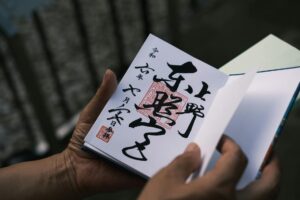
- Proxy pilgrimage pilgrimage + nokyocho: real temple stamps delivered, as proof of the prayer walked on their walked on their behalf
- Commemorative trip + photobook: trip photos bound into a single keepsake volume
What these share is the moment of experience gets preserved as evidence. Years later, coming across the album or object pulls the whole memory back. That’s the long-tail kind of gift.
Grandparents in particular tend to value physical “memorial items” — something their hands can touch. An album or handmade piece can add real weight to the experience.
A Prayer Carried on Their Behalf — Another Format
Within the “experience-that-leaves-something” category, a rare but deeply-resonant option is the “prayer carried on their behalf” format.
Specifically: someone walks the Shikoku 88-temple Ohenro pilgrimage on your grandparent’s behalf and delivers the real nokyocho (pilgrimage book with temple stamps).
Many grandparents once thought “I’d love to do Ohenro someday” but became physically unable to. Having someone walk it on their behalf and return with the actual stamped book combines three gifts in one: form, experience, and prayer.
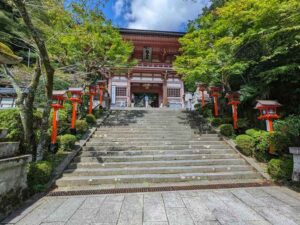
Daisan — having someone travel or pray on your behalf — is a Japanese tradition going back over a thousand years. Many grandparents hold quiet faith, and the milestone-aware chapter of life where Keiro no Hi falls no Hi falls is exactly when this kind of gift can resonate.
Gifts that combine “keepsake + experience + something to tell others about” carry the special-occasion weight Keiro no Hi calls for.
FAQ: Common Questions About Experience Gifts for Keiro no Hi
- What’s a typical budget for an experience gift?
- When is Keiro no Hi? What date in 2026?
- How do I send an experience gift to grandparents living far away?
- How do I split the budget across siblings for a family gift?
- Should I include a message card with the experience gift?
This Keiro no Hi, Give Grandparents an Experience That Actually Stays
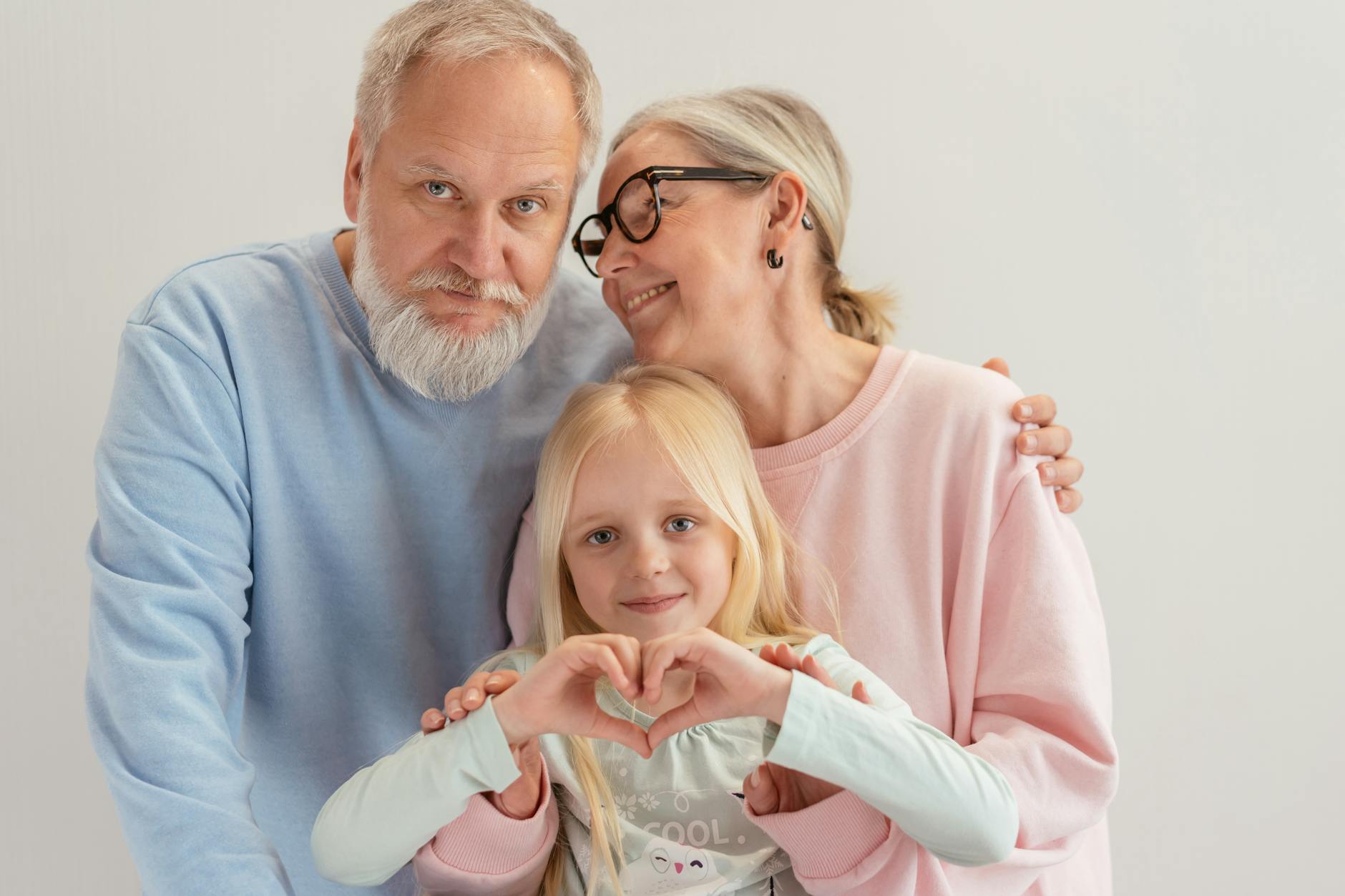
Experience gifts for Keiro no Hi have a way of reaching a depth in grandparents’ hearts that objects can’t quite touch.
What actually matters isn’t the price tag or how flashy it is — it’s whether the gift fits on the three axes of stamina, interests, and family time.
- Experience gifts work well for grandparents because “nothing accumulates” and “the memory stays”
- Filter by stamina, interests, and travel distance when picking
- Always verify health conditions and pick gifts with long validity
- Experience + keepsake (photos, pieces, nokyocho) combinations resonate especially well
- “Someone else does it on their behalf” formats are also a real option
“Thank you” deserves more forms than most people realize. Experience-based gifting might be the way to make this year’s Keiro no Hi a little different.
If you sense your grandparents “would have loved to walk Ohenro themselves but can’t anymore,” the Ohenro Gift Service — which walks Shikoku’s 88 temples on their behalf — is worth a look as an experience gift. Real temple stamps and a record of the journey get delivered to their door. An experience they can receive without moving — a format that fits Keiro no Hi particularly well.
▼ Related reads
- Ohenro as a Gift: Why Walking Shikoku for Someone Has Become a Meaningful Way to Honor a Parent
- What Is Ohenro? Meaning, Purpose & the Shikoku 88 Temple Pilgrimage Explained
![[Ohenro]Shikoku Pilgrimage Proxy Service: Costs and How to Choose a Trusted Provider](https://ohenro-gift.com/en/giftohenro369/wp-content/uploads/2026/03/agency_thumb-300x200.jpg)