
60th Birthday Gifts for Mom: How to Pick a Kanreki Present That Actually Moves Her

The classic red chanchanko vest and a bouquet are fine, but they feel a little flat for what’s basically a once-in-a-lifetime year. I don’t want to settle for “fine.”
If you’re stuck on what to give your mother for her 60th birthday, you’re definitely not alone.
Kanreki is one of those once-in-a-lifetime years. You want the gift to carry “thank you,” “I see you,” and “I appreciate everything” all at once — and that’s a lot of pressure on a single present.
But the moment you start looking, the noise gets loud. Flowers, dinner, a trip, something traditional, something modern? Nobody tells you what an actual budget should be, and the more you think about your mom’s specific tastes, the harder it gets.
So in this article, I’ll walk you through how to pick a kanreki gift that genuinely moves your mother — from setting a real budget, to comparing the classic options against the newer ones, in a way that doesn’t feel cheesy.
- Why kanreki is fundamentally different from a regular birthday
- What budget actually makes sense for a 60th birthday gift
- How to choose based on your mom’s health, interests, and distance
- Classic kanreki gifts vs. the newer experience-based options
- What to check before handing over the gift, so it actually lands

Why You Want to “Move” Her: What Makes the 60th So Different

The reason most people want to “move” their mom on her 60th — instead of just give her something nice — is that kanreki isn’t a regular birthday. It’s a once-every-60-years milestone.
Once you understand what kanreki actually means in Japanese tradition, the urge to give something with weight makes a lot more sense. Let’s unpack why this birthday hits differently.
Why Kanreki Isn’t Just Another Birthday
Kanreki literally means “the calendar returns.” The traditional Japanese calendar runs on a 60-year cycle of zodiac signs, and at 60, you’ve completed the full loop and come back to the year you were born under. You’re, in a symbolic sense, reborn.
That’s why the traditional gift is a red chanchanko vest and red cap — red is the color babies wear, marking this as “the start of a second life.”
So kanreki isn’t celebrating “another year older.” It’s honoring the fact that she’s lived 60 full years and is now stepping into the next chapter.
The difference from a normal birthday is real: kanreki is a celebration of the whole life she’s lived so far, not just one more candle on the cake.
Which is why a regular gift, no matter how nice, can feel a little under-scaled for the moment.
What’s Underneath “I Want to Move Her”: It’s Gratitude
Most of the time, when someone says “I want to move my mom on her 60th,” what’s actually underneath is a stack of gratitude they’ve never said out loud.
The mom who held things together when you were growing up. Who kept showing up on the days you were exhausted, struggling, lost. You realize, only as an adult, how much you actually leaned on her.
And a one-word “thanks” doesn’t really capture it. Kanreki is the rare opening to put all of that into a tangible form — that’s the urge a lot of people feel without quite naming it.
“I want to move her” is really shorthand for: I want to see her face, I want her to feel seen. A gift that turns gratitude into something physical — once you frame it that way, the choice gets a lot clearer.
The Real Budget Range for a Kanreki Gift That Actually Moves Her
Kanreki gifts run the full range — from about $20 to over $1,000, depending on what you pick.
Knowing the rough ranges helps. But the size of the emotional impact and the size of the price tag don’t actually correlate as neatly as you’d think. The real move is to figure out what you want the gift to say first, and then back into the budget.
The Realistic Range: $20 to $1,000+
The price range varies massively depending on the format. A bouquet alone runs around $30-150, a trip can run several thousand dollars. The most-chosen sweet spot lands somewhere around $100-300 for most families.
- Bouquets / preserved flowers: $35-150
- Sweets / specialty food: $20-100
- Designer bags / wallets: $200-700
- Restaurant / family dinner: $70-350
- Travel / hot spring trip: $350-2,000
- Catalog gifts: $35-200
Pooling money with siblings stretches the range significantly. $200 each from three siblings becomes $600. A “family gift” framing also tends to feel weightier when it’s handed over.
One Japanese cultural note: ¥40,000 and ¥90,000 are traditionally avoided as gift amounts because the numbers 4 and 9 are homophones for “death” and “suffering” in Japanese. Worth knowing if your mother grew up with that, even if you wouldn’t otherwise think of it.
Don’t Start From a Number — Start From What You Want to Say
The mistake most people make with kanreki is setting a budget first. Saying “I have $500, what should I get?” tends to push you toward generic options that fit the price slot but don’t carry meaning.
The better move: figure out what you want this gift to communicate, then build the budget to match it.
- Want to give her time: a trip, a meal together — these are time-anchored
- Want to leave something tangible: engraved keepsakes, photo pieces, jewelry
- Want to give an experience: workshops, pilgrimages, classes
- Want to support daily life: practical items, catalog gifts
Once “what kind of gift” is clear, the budget falls out naturally. Time-based runs into thousands. Tangible keepsakes typically run $100-400. Experiences span everything from $100 to several thousand.
If you have siblings, the rule is talk early and align budgets. Mismatched gift values can make your mother quietly uncomfortable — she’ll worry about everyone’s wallet instead of enjoying what she got. Coordinating is itself a kindness.
Filtering by Mom: Health, Interests, and Distance
The cleanest way to narrow the gift options is to filter by three axes — your mother’s health, her interests, and how far away she lives.
Here’s how to use those three when her tastes feel hard to pin down.
Active Moms Get Experiences. Distant Moms Get Things That Travel Well.
Sixty doesn’t look the same on every person. A mom who’s still hiking on weekends and a mom who’s starting to find day trips tiring need very different gifts.
- Active and mobile: travel, hot springs, experience gifts, dining out — things that involve shared time
- Slowing down a little: gifts that come to her — flowers, food, catalog gifts, or a nearby restaurant reservation
- Managing a health condition: lighter, lower-effort gifts — photos, written messages, modest keepsakes
Distance matters too. If she lives far away and you can’t visit often, the format shifts toward gifts that arrive well by themselves and carry the message clearly without you in the room.
For more on choosing for moms who are getting older or live far away, this companion piece is a good follow-up.
“[By Age Group] What Mothers Day Gifts Do Elderly Mothers Truly Love?” digs deeper into the same filtering logic.
If You Don’t Know What She Likes — How to Reverse-Engineer It
“I have no idea what my mom actually wants” is probably the single most common kanreki problem. When you don’t live nearby, you genuinely don’t see what she gravitates toward day to day.
The trick is to mine the small things she’s said over the years:
- Things she once mentioned wanting to try, even casually
- Stuff she muttered about while watching TV or reading magazines
- Hobbies or trips she put on hold during the kid-raising years
- Whatever shows or YouTube channels she’s into lately
- What she did before she got married — the work, the hobbies
The clues to what she actually wants are almost always hiding in offhand comments she’s made over the years.
If nothing surfaces, ask siblings or your dad. Other people see angles you can’t from your single-vantage-point view.
And honestly? Just asking her directly is also fine. “I want to do something special for kanreki — what would you actually want?” Most mothers will protest a little, then tell you.
Beyond the Classics: What Actually Moves a 60-Year-Old Mom
Kanreki gifts split into two camps — the classics, and the newer, less-obvious options.
Both camps have something going for them. Classics carry safety. The newer category brings surprise and “I’ll remember this” power. Knowing the trade-offs of both is how you pick the one that actually fits your mother.
The Classics: Flowers, Designer Goods, Travel
The classic kanreki gifts have the safety of being recognizable. Both you and she know exactly what kind of gesture this is, which makes everything easier — including planning.
The flip side: because they’re classic, there’s a real chance she’s gotten “something just like this before.” If your mom’s the type who notices that, putting a small twist on a classic can do more than the classic alone.
Classic Kanreki Gifts at a Glance
| Type | Price Range | Emotional Effect | Best For |
|---|---|---|---|
| Preserved flowers | $35-150 | Quiet, lasting | Moms who keep flowers in the house |
| Designer bags / wallets | $200-700 | Practical + premium | Active moms who care about finishing touches |
| Travel / hot spring | $350-2,000 | Shared experience, deep memory | Moms who still travel and love it |
| Premium dining | $70-350 | Occasion feel, family togetherness | Food-loving moms with family nearby |
| Catalog gifts | $35-200 | Pick-your-own satisfaction | Moms with very specific taste |
| Red chanchanko set | $25-100 | Tradition, photo moment | Moms who lean into Japanese tradition |
Within the classics, the highest “moved her” hit rate tends to come from experience formats like travel and shared meals. Time spent together stays in memory longer than physical objects, in most cases.
That said, when stamina, distance, or schedule rule those out, the next category is where things get interesting.
Tangible, Experiential, or Prayer-Based: The Newer Lane
What’s growing as a kanreki gift category lately is “things she’ll remember”.
Not stuff — but experiences, records, stories. Especially relevant when classics feel too obvious or when “I really want her to be surprised” is the brief.
The Newer Options at a Glance
| Type | Price Range | Emotional Effect | Best For |
|---|---|---|---|
| Engraved keepsakes (clocks, pens, ceramics) | $70-350 | One-of-a-kind feeling | Moms who keep gifts on display |
| Experience gifts (pottery, flower arranging) | $70-200 | New discovery, fresh memory | Curious, mobile moms |
| Family portrait session | $200-700 | Family bond captured | Moms who treasure family |
| Message book / video compilation | $0-150 | Direct emotional impact | Sentimentally inclined moms |
| Ohenro pilgrimage gift (proxy) | $3,500+ | A prayer carried on her behalf | Moms drawn to faith or milestone weight |
| Memory albums (old photos compiled) | $35-200 | Tear-inducing, deeply resonant | Moms attached to family history |
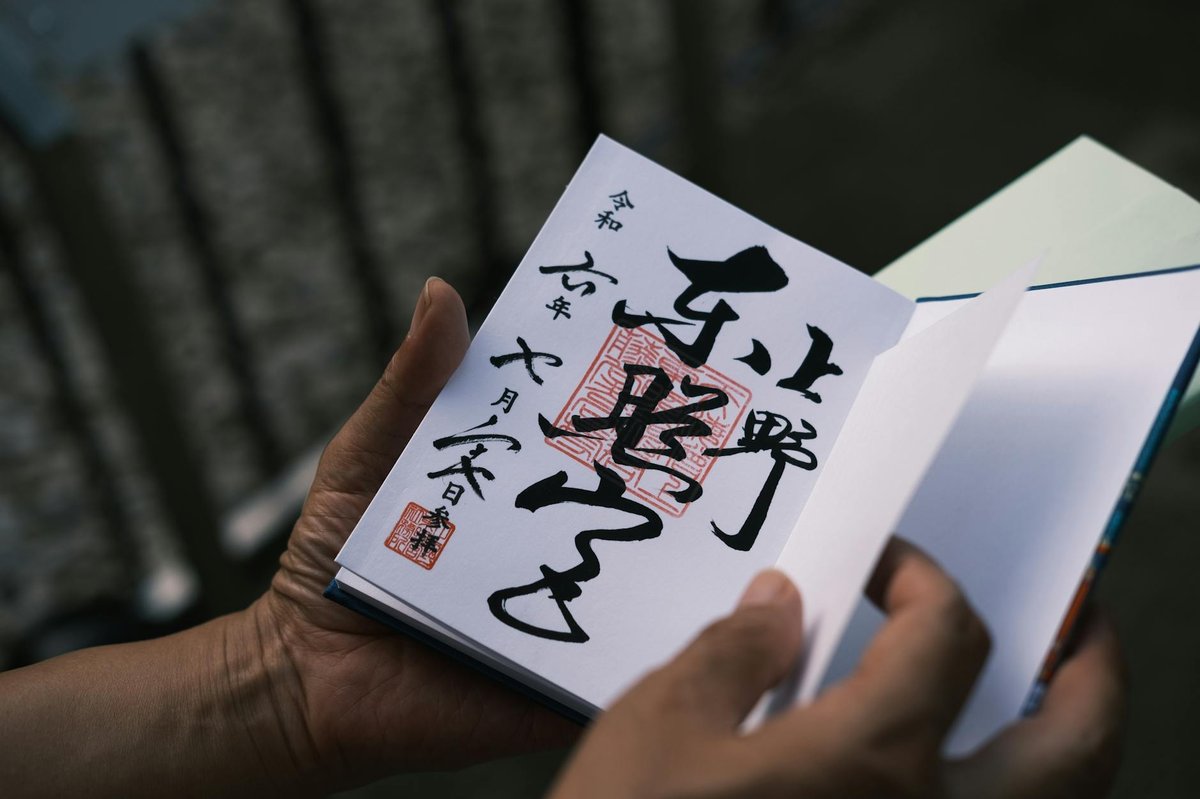
Of these, the Ohenro pilgrimage gift is a less-obvious option for moms who’ve quietly wanted to visit the Shikoku 88-temple route but realistically can’t make the trip themselves.
A proxy walks the full walks the full route, carries her prayer at each temple, and brings back the actual nokyocho (pilgrimage book) with real temple stamps. For mothers with even a quiet pull toward faith, or who care about marking life’s milestones meaningfully, it can land as a once-in-a-lifetime kanreki gift in a way few others do.

If you want to see the experience-gift category in more depth, this is the deeper dive.
“Unusual Kanreki Gift Ideas: Experience-Based 60th Birthday Presents That Actually Get Remembered” covers more options.

How Not to Miss: What to Check Before You Hand It Over
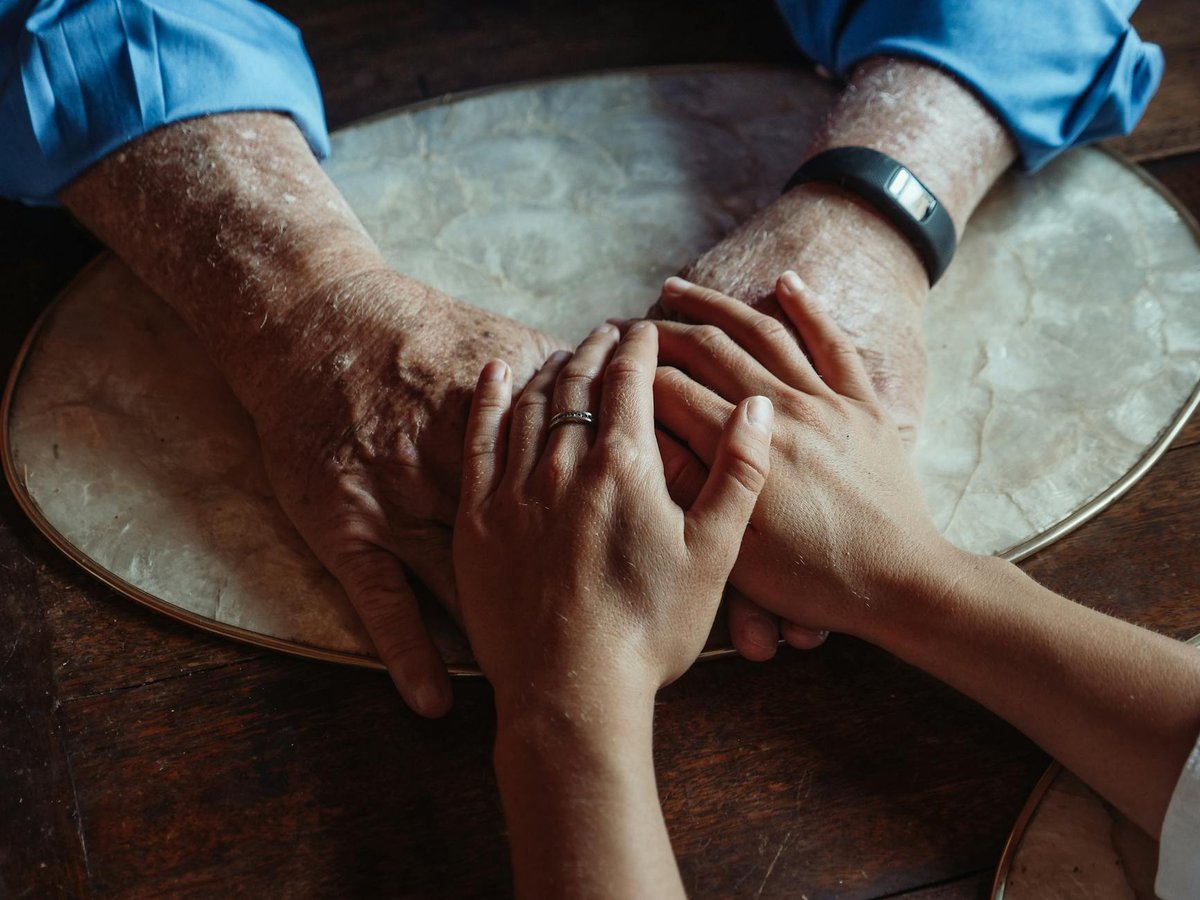
The number-one kanreki failure mode is “I picked something with good intentions, and somehow the reaction was off”.
The fix is almost always upstream — small checks before you hand it over. Here’s what’s worth confirming, even briefly, before delivery.
Price Doesn’t Beat “I Picked This Because…”
Plenty of moms get an expensive gift and end up low-key uncomfortable about it. “This is too much, you shouldn’t have,” and the expense itself becomes the awkward thing.
Meanwhile, a $30 gift can actually make her tear up. The difference is whether the “why I picked this” story comes through.
It doesn’t need to be long. Two or three lines is plenty. Anything longer can feel like a chore to read on a special day, so simpler is usually better.
Same designer bag — “I just picked this because of your birthday” vs. “I remembered you used to mention this brand” — completely different reaction. That gap can’t be closed with money.
Allergies, Preferences, Logistics — Pre-Delivery Checks
Once the gift is chosen, there are a handful of items worth verifying before delivery. Skipping these is how good gifts end up underused.
- Allergies: pollen, food (nuts, shellfish, latex)
- Strong scents: perfume and aroma preferences vary widely
- Color preferences: even if she likes red, “really red” might be too much
- Sizing: clothes, shoes, and rings need verified measurements
- Delivery timing: don’t collide with her work schedule or plans
- Surprise vs. coordinated: depends entirely on her personality
Especially “surprise person vs. coordinated person” — some moms light up at being surprised, others get genuinely stressed if they aren’t told ahead. Look at how she normally reacts to surprises and decide from there.
Also worth flagging: the red chanchanko isn’t universally welcome. Plenty of moms quietly find it embarrassing. Don’t assume “tradition equals appreciated” — confirm “would she actually wear this?” first. If the answer is no, a small red ornament version is a graceful workaround.
FAQ: Common Questions on Kanreki Gifts for Mom
- Does the gift need to be given on her actual 60th birthday?
- How do my siblings and I avoid duplicate gifts?
- Is the “no ¥40,000 or ¥90,000” rule actually still followed?
- She doesn’t want to wear the red chanchanko. What’s a good alternative?
- She lives far away and we can’t gather. What format works best?
The 60th Milestone: Turning Gratitude Into Something She Can Hold
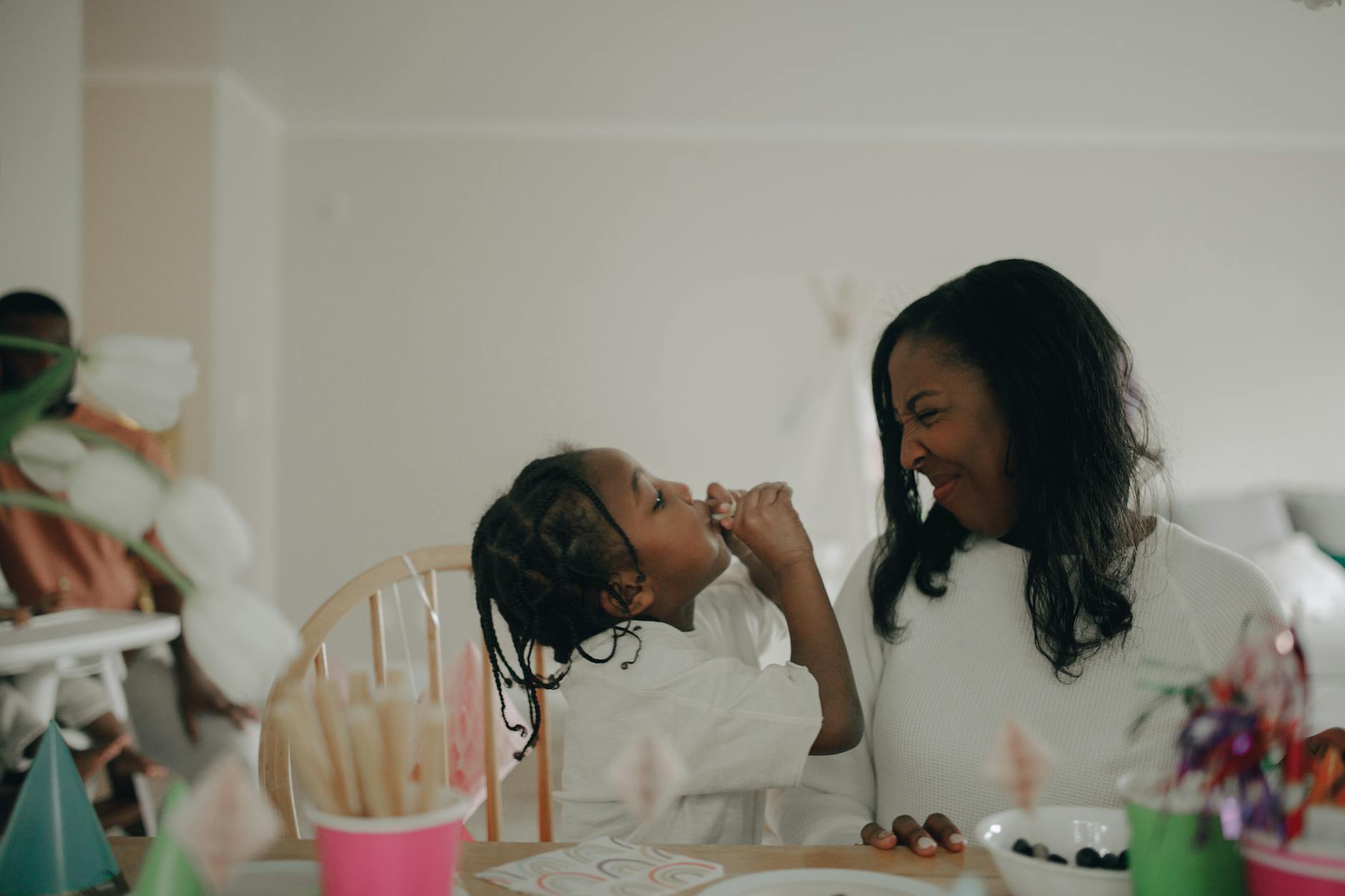
The 60th — kanreki — is the rare year when gratitude can finally take a physical form.
Both classics and newer options have their strengths. The thing that matters isn’t the price tag or the trend — it’s whether the gift sits in the sits in the actual life she’s lived.
- Kanreki means “the calendar returns” — it’s not a normal birthday
- Budget runs $20 to $1,000+, but “what you want to say” matters more than the number
- Filter by her energy, her interests, and your distance from her
- Compare classics against newer options before locking in
- Pre-delivery checks (allergies, sizing, surprise preference) save the gift
“I want to move her” is almost always gratitude that’s never been spoken. As long as that comes through, the format matters less than people think — she’ll feel it.
If you want to consider a once-in-a-lifetime, non-classic kanreki gift, the Ohenro Gift Service offers a proxy pilgrimage of Shikoku’s 88 temples, with the actual prayers carried on her behalf and the real nokyocho book delivered to her door. For moms who care about milestones, it can land at a depth most material gifts can’t reach.
▼ Related reads
- Unusual Kanreki Gift Ideas: Experience-Based 60th Birthday Presents That Actually Get Remembered
- [By Age Group] What Mothers Day Gifts Do Elderly Mothers Truly Love?
- What Is Ohenro? Meaning, Purpose & the Shikoku Pilgrimage Explained
![[Ohenro]Shikoku Pilgrimage Proxy Service: Costs and How to Choose a Trusted Provider](https://ohenro-gift.com/en/giftohenro369/wp-content/uploads/2026/03/agency_thumb-300x200.jpg)