Filial Love Beyond Stuff: A New Way to Think About Gifts for Aging Parents
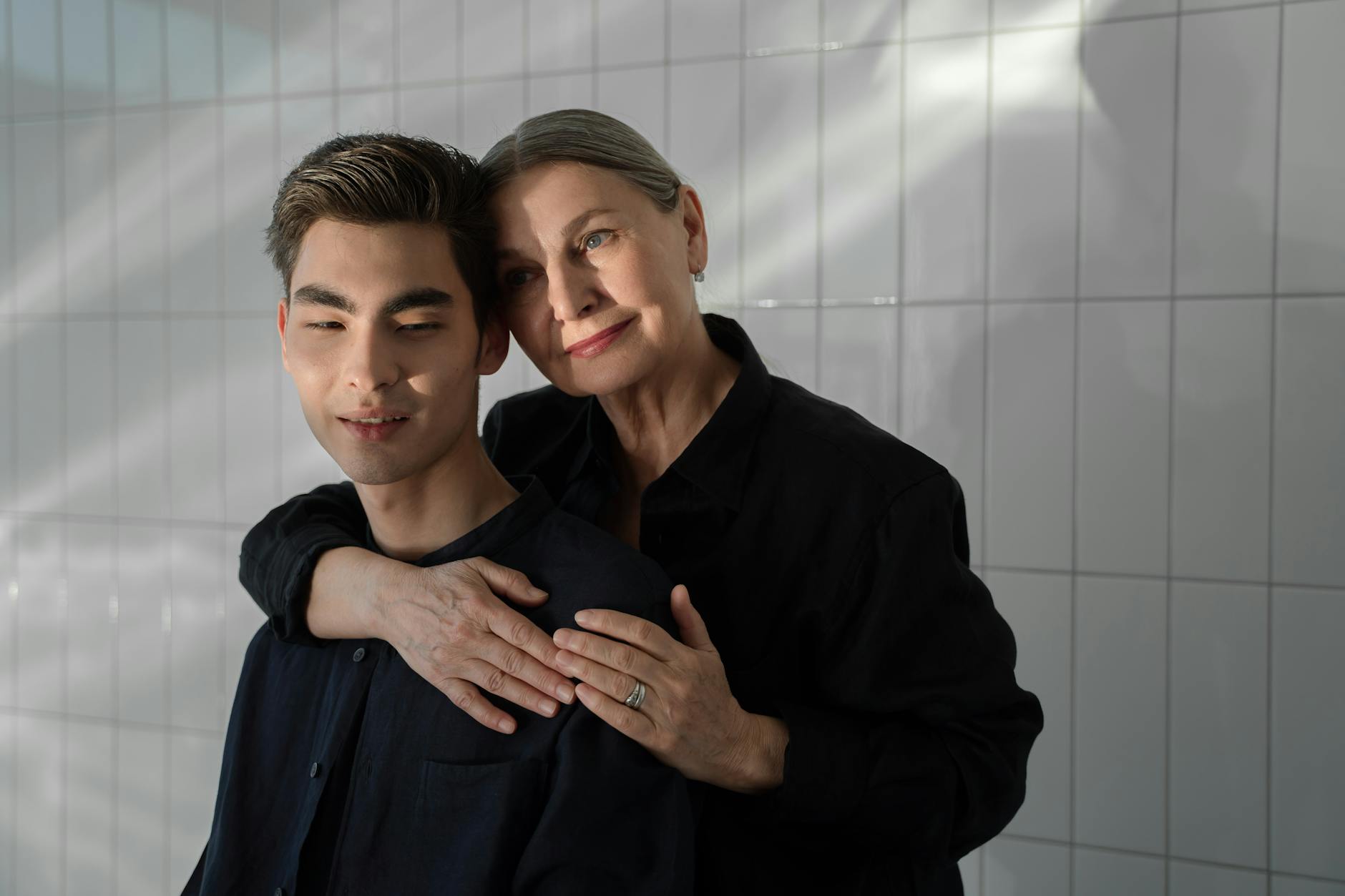
If you’re looking for a way to honor your parents that isn’t another physical object, you’re definitely not the only one in that boat.
By the time parents hit their 50s, 60s, and 70s, they pretty much have all the stuff they need. New clothes, new appliances — most of what they’d use is already in the house.
So when you’re trying to “give them something good,” there’s a natural ceiling you eventually hit. It might just be the right time to shift toward “filial gifts that aren’t things.”
So in this article, I’ll walk you through how to think about filial love beyond physical gifts and how to actually pick something — covering why material gifts hit a wall, the value of experiences and memory, and the prayer-as-gift option.
- Why material gifts to parents structurally run out of road
- How experiences and memory leave deeper marks than objects
- Formats that work even when you live far from your parents
- The “prayer-as-gift” option that’s been gaining ground
- Starting from “what you want to convey” instead of “what to buy”

Filial Love Doesn’t Have to Be Stuff: Why Material Gifts Hit a Ceiling

If you keep picking material gifts for your parents long enough, you eventually hit “there’s nothing new to get them” or “are they actually happy with this?” as a wall.
This isn’t on you as the giver — it’s about how parents’ lives interact with material saturation. Once you understand the structure, switching gears becomes easier.
“I Got Something Like This Before” Is Often the Honest Reaction
If you’ve ever given your 50+ parent a physical gift and gotten back “thanks, but I think I already have one of these”, that’s not coldness.
It’s a signal that the things in their house are saturated. Wallets, bags, dishes — most parents in this generation have plenty.
Why “I already have one” tends to happen with parent-aged recipients: long years of ownership mean the basics are covered. Their tastes are settled, narrowing the new-purchase range. Lower-use items don don’t get replaced. Other family members also gift them things. And they buy what they like for themselves anyway.
Same appliance every year, similar-style clothes piling up, more tea than they can drink. “Gifts crowding out daily life” is something that especially happens with elderly parents.
This isn’t about the giver having bad taste, and it isn’t the parent being cold. It’s a signal that “filial love through stuff love through stuff” as a format has hit its limits.
The “Is This Really It?” Doubt You Feel Picking Each Year
Picking a parent gift every year, many of us feel “is this really right?” at the moment of choice.
The source of that doubt: a sense that “the meaning of the gift is fading”. The form is in place, but whether the feeling is actually getting through is invisible.
- You end up picking something similar every year: the giver feels the rut too
- Even expensive gifts make the parent feel “you shouldn’t have”: they get awkward about it
- You stop knowing what to even pick: your selection criteria drift
- A muted parental reaction triggers worry: you can’t tell if they actually liked it
- You want out of the “same pattern” loop: the giver is also looking for a fresh angle
These are very common experiences. The issue isn’t with the giver — it’s that “giving stuff” as a format doesn’t fully work on parent-generation recipients anymore.
If that’s resonating, “changing the format” is usually the cleanest way out.


There Are Filial Gifts That Aren’t Stuff: Why Experience and Memory Leave Deeper Marks
Filial love works fine without being a physical thing. In a lot of cases, the non-thing format actually carries the feeling better.
Experiences and memories reach parents through a different channel than objects do. Here’s why.
Experiences Grow More Valuable Over Time
The defining feature of experience gifts: the value increases with time. That’s the decisive contrast with objects.
Objects age and eventually get discarded. Experiences go the opposite direction — they live as memory and get pulled back up repeatedly, gaining value with each replay.
- Pre-experience anticipation: “this is coming up” generates excitement
- The experience itself: the day is direct joy
- Post-experience replay: photos and conversations bring it back
- Family-history layer: “remember when we went?” gets repeated for years
- No physical decay: memory doesn’t fade — it gets prettier
An overnight onsen trip with family doesn’t just produce that one day’s joy. “Back when,” “at that place,” “that meal” becomes a topic the family circles back to for years.
Stuff piling up becomes obstruction. Experiences accumulating build family wealth. That’s the basis for “filial love doesn’t have to be stuff.”
What Parents Want Is Less the Object, More Your Feeling
What parent-generation people are actually after is less an expensive object than your feeling. This trend grows stronger with age.
“Feeling that came through” gifts tend to take a few forms:
- A handwritten letter or card: the time embedded in your physical writing
- A family photo or memory album: shared time made tangible
- Time spent together: the gift you can’t put a price on on
- Remembering a wish they once mentioned: “they were really listening” lands deep
- Action taken on their behalf: someone fulfilling something they can’t do themselves
Especially “remembering a wish they once mentioned” hits hard. The fact that you remembered something they casually said — that fact alone is itself a major gift.
The abstract goal of “feeling actually transfers” gets concrete once you reframe it as “create the moment your parent feels seen”. Starting from moments and memory rather than objects opens up the choice space.
Picking a Filial Gift That Isn’t Stuff: How to Think About It and Choose
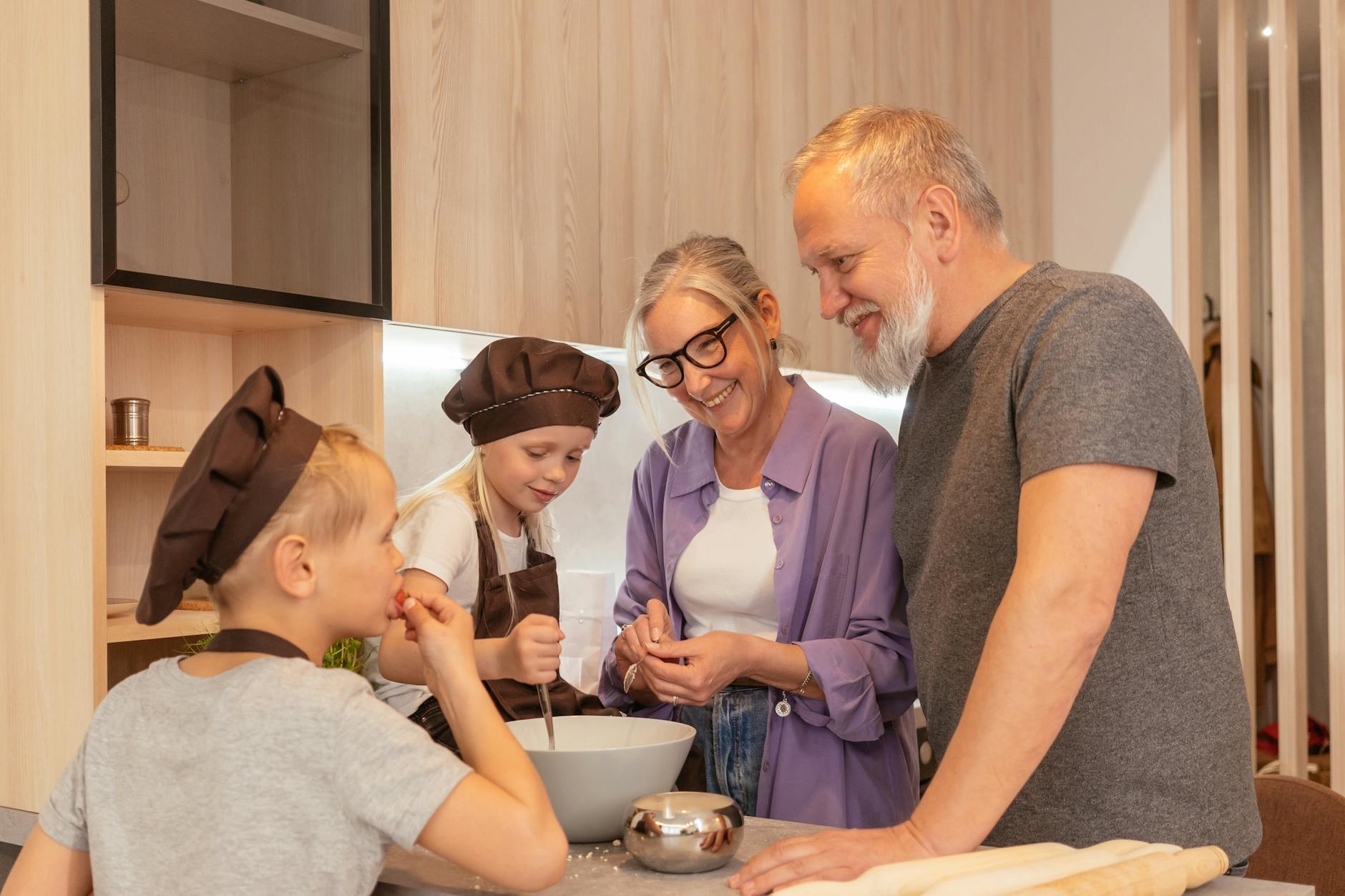
Once you decide “filial love doesn’t have to be stuff,” the next question is “OK, so what specifically?”. Here’s the practical framework for picking.
The core move is matching the choice to the parent’s situation, distance, and physical condition.
Time Spent Together Is the Highest-Tier Filial Gift
At the top of “non-stuff filial love” sits “time spent together”. For most parents, this beats anything else.
That said, “gifting time” can take many forms:
- Family trip: onsen, sightseeing, short trip — match the distance to family stamina
- Shared meals: restaurant, home, parent’s favorite spot — conversation is the core
- Day-trip outing: shrine, garden, museum — places where you can take it slow
- Just being at home: stay at the parents’ house and just be there
- Family portrait session: pro-shot family photos = both photo and time, double value
It doesn’t need to be flashy. “The busy adult child made time to come see us” by itself lands strongly with parents.
Even just two hours at a nearby restaurant becomes a “special time” in their memory. Don’t overengineer it — picking a sustainable, repeatable format works.
Even Living Far Away, There Are Formats That Reach Them
Even when you live far from your parents and can’t visit often, non-stuff filial love is fully possible. In some ways, distance creates space for unique gift formats.
Things you can deliver to distant parents in a “non-stuff” format:
- Video message: family update on video, with grandkid voice included
- Handwritten letters: regular mail — the act of arriving means something
- Family photo book: professionally bound and shipped
- Phone or video calls: “they call regularly” is its own reassurance
- Action-on-their-behalf gifts: e.g. proxy pilgrimage to places pilgrimage to places they couldn’t reach themselves
Especially “someone going somewhere on the parent’s behalf” can fit when the parent is distant and physically unable to travel. The parent stays put, but a record of someone-acting-for-them arrives at their doorstep.
For a broader look at meaningful filial gifts, this companion piece may also help: “The Gift They’ll Never Forget: Meaningful Ways to Honor an Aging Parent“.
A Special Non-Stuff Filial Gift: The Option of Sending a Prayer
Within the “non-stuff filial love” space, what’s been gaining attention recently is “sending a prayer” as a gift format.
This is positioned slightly differently from experience gifts. Let me walk through it.
Ohenro Daisan: The “Send a Prayer” Option
“Sending a prayer” might not be intuitive at first. The form that makes it click for most people is an Ohenro daisan (proxy pilgrimage pilgrimage).
Someone walks the Shikoku 88-temple Ohenro on the parent’s behalf as a pilgrimage. It fits situations like “my parent always wanted to do this” or “they’re physically unable now.”
The defining feature: “a kinetic gift that arrives at a parent who can’t move”. Even if the parent is in bed, somewhere in Shikoku someone’s walking the mountain trail on their behalf.
For people searching for “filial love that goes deeper than objects or experiences,” Ohenro daisan as an option can resonate quietly.
A Tangible Record That Arrives in Their Hands
The other strength of “send a prayer” gifts: a tangible record arrives as a result.
The prayer itself is invisible, but once the pilgrimage finishes, a real nokyocho arrives. This is a one-of-a-kind record with all 88 temples‘ stamps and handwritten calligraphy.
- Nokyocho: the real pilgrimage book with each temple’s stamps and calligraphy
- Pilgrimage report: status updates, photos, video records during the proxy walk
- Family-shareable artifact: “this is the Ohenro record we sent that time”
So a “send a prayer” filial gift is “intangible value + physical record” as a set. Even if the formless gift idea makes you uncomfortable, the concrete deliverable (the nokyocho) lets you commit.
If gifting an Ohenro pilgrimage interests you, this companion piece goes deeper: “Ohenro as a Gift: Why Walking Shikoku for Someone Has Become a Meaningful Way to Honor a Parent“.



FAQ: Common Questions About Non-Stuff Filial Gifts
- What’s a typical budget for non-stuff filial love?
- My parent literally said “no stuff please” — what do I pick?
- I live far away — what conveys the feeling well?
- Experience gift vs. “send a prayer” gift — which one?
- Family is pushing me to “give them stuff” — how to handle?
What Parents Actually Love Starts From “Feeling,” Not From “Form”
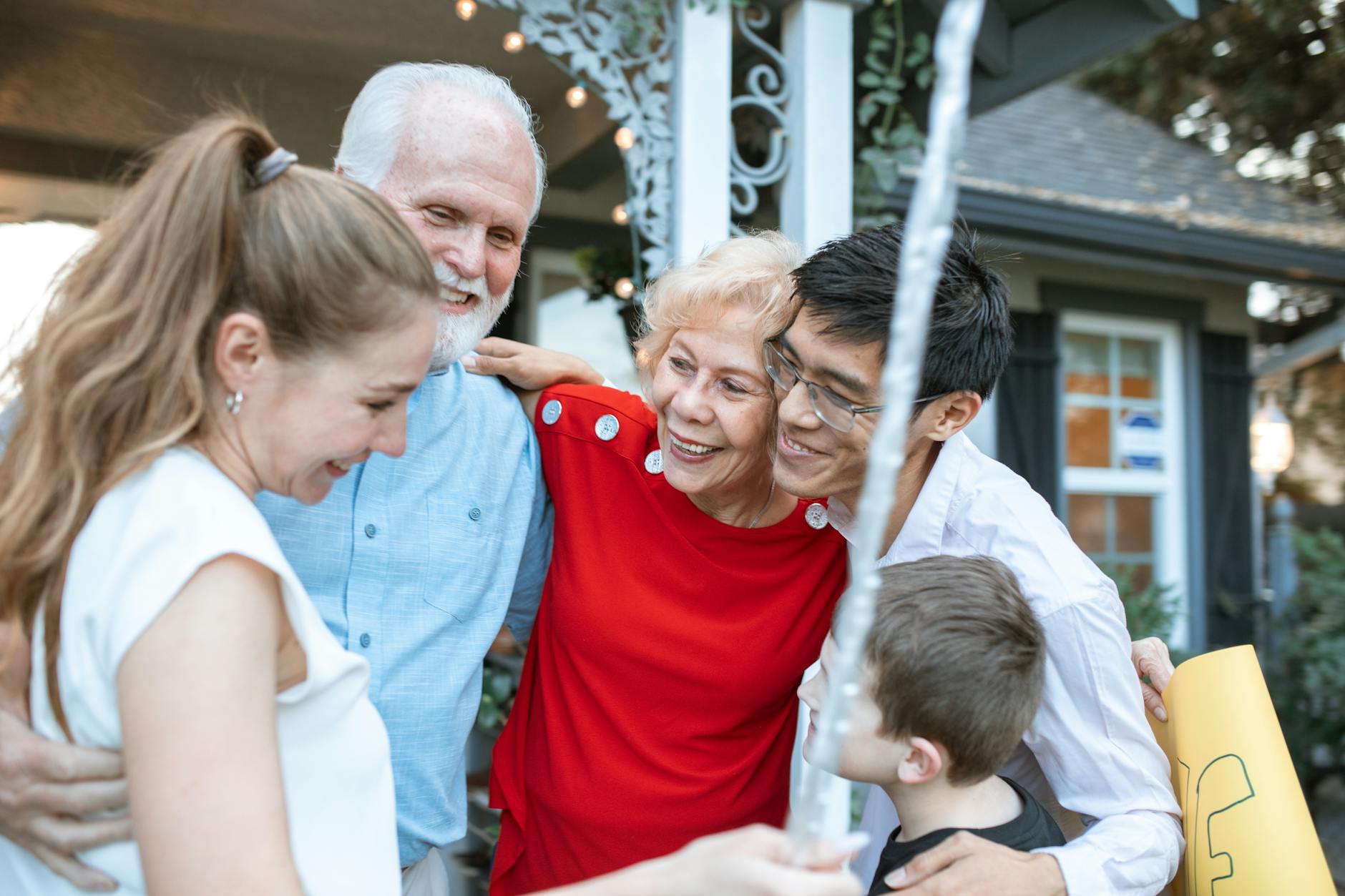
Filial love isn’t “handing over an object” as the goal. What matters is whether the feeling actually arrives.
Material gifts have a ceiling. Experiences, memories, prayers — formless gifts have the property of growing more valuable with time. Particularly relevant for parent-generation recipients.
- Parent-generation people have material saturation, so physical gifts run out of road
- Experiences and memory grow more valuable as time passes
- What parents really want is “the moment your feeling actually transfers”
- Even at distance, formats that work (letters, video, action-on-their-behalf gifts)
- “Send a prayer” formats combine intangible value with a physical record
Choosing “non-stuff filial love” is also an opportunity to think more deeply about your relationship with your parent. Decide what you want to convey first, then pick what to give second.
If you sense “I want to send both a formless prayer and a physical record to a parent who can’t move”, then Ohenro Gift Service may be a candidate. We deliver the real nokyocho and on-the-ground records to your parent. A kinetic gift that arrives at parents who can’t move — a special form of filial love.
▼ Related reads
- Ohenro as a Gift: Why Walking Shikoku for Someone Has Become a Meaningful Way to Honor a Parent
- The Gift They’ll Never Forget: Meaningful Ways to Honor an Aging Parent
![[Ohenro]Shikoku Pilgrimage Proxy Service: Costs and How to Choose a Trusted Provider](https://ohenro-gift.com/en/giftohenro369/wp-content/uploads/2026/03/agency_thumb-300x200.jpg)