Ohenro Daiko Reviews and Real Experiences: Voices from People Who’ve Actually Used the Service

It’s a high-ticket service, and I want to be able to explain it to my family. Where do I find the actual voices of people who’ve used ohenro daiko before?
If you’re trying to check ohenro daiko reviews and testimonials before deciding, you’re definitely not alone in finding it harder than expected.
For most products, Amazon, Google Maps, and review sites are flooded with feedback you can use to make a call. With ohenro daiko, the situation is different.
The base of user numbers is small, and the reasons people use it — care for an aging parent, prayers for someone passed — are the kind of things people don’t talk about openly. So reviews don’t end up online easily.
So in this article, I’ll walk you through how to find ohenro daiko reviews and what real users tend to feel — covering the patterns of who hires this service, the emotional response after using it, and the questions reviews don’t usually answer.
- The structural reasons why ohenro daiko reviews are scarce
- How to find trustworthy info despite the lack of reviews
- What kind of people typically commission this service
- What users actually feel after the proxy pilgrimage is done
- What to verify that reviews don’t show you

Why Ohenro Daiko Reviews Are Scarce: How to Find Trustworthy Info
The reason ohenro daiko reviews are sparse online comes down to both the nature of the service and the psychology of who uses it.
It’s not the kind of service where people leave a casual “★4 — great!” review. The background context matters here, and once you understand it, the limited info you do find starts to read differently.
A few structural reasons reviews stay scarce:
- Absolute number of users is small: estimated in the low thousands per year industry-wide
- Reasons for use are sensitive: parent’s memorial, prayers for the deceased — not casual review fodder
- High ticket price discourages casual reviews discourages casual reviews: $4,000-30,000+ services
- Reviews don’t aggregate on platforms: each provider hosts on their own site
- User demographics: 50s and older, many less active on social media
So the scarcity of ohenro daiko reviews isn’t “because clients are unhappy” — it’s a structurally low-public-discussion category. You need to look for signal somewhere other than star ratings.
Here’s where you can find practical info despite the scarcity:
- Skill marketplace reviews: a few individual proxy reviews on platforms reviews on platforms like Coconala
- Google Maps reviews of providers: physical-store providers may have ratings
- “Client voices” on provider websites: many providers showcase past clients with initials and photos
- Direct inquiry to providers: ask “can you share past client feedback?”
- SNS individual posts: search hashtags around ohenro daiko on X or Instagram
Of these, provider-website “client voices” sections and direct inquiries are surprisingly information-rich. Many providers, with prior client permission, do publish testimonials and photos.
Because reviews are scarce, a provider’s transparency and quality of communication often serve as a stand-in for reviews. The way they respond to a single inquiry can tell you a lot.

Who Hires This Service and What They Feel: Real Voices Behind the Reviews
Working from the limited reviews and broader industry patterns, here’s the realistic picture of who hires ohenro daiko and how they tend to feel afterward.
I’m not naming specific cases — but there are common emotional patterns among the people who reach out for this service. I’ll lay them out as hypothetical examples drawn from what we hear in inquiries.
What Drives People to Hire
Ohenro daiko inquiries fall into a handful of typical client profiles. Backgrounds vary, but the profiles cluster fairly cleanly.
- People whose aging parents talked about wanting to walk Shikoku: parent’s wish, parent now physically unable
- People wanting to send prayer for a sick family member: praying for healing through a tangible act
- Bereaved family members commissioning memorial pilgrimage: 49th day, anniversary of death, etc.
- People who themselves wanted to walk but couldn’t: blocked by work, health, or distance
- People marking a family milestone with a special gift: kanreki (60th), koki (70th), beiju (88th) celebrations
What ties them together is “I want to deliver someone’s wish in tangible form when they can’t do it themselves”. This isn’t just a service transaction — it’s commissioned as a gift to someone important in most cases.
On Coconala-style skill marketplaces, the few reviews that exist tend to add context like “for my family” or “for my parent.” Comments such as “they did a thorough job, very pleasant person, enjoyable experience” and “very trustworthy person” appear as examples on these platforms (source: reviews on Coconala-type skill marketplaces).
Industry-wide, the sentiment toward proxy pilgrimage services tends pilgrimage services tends to lean positive in the limited public feedback that exists.
Even with the small data set, what consistently surfaces is the sense of “the feeling actually came through” and “they handled it carefully”.
The Real Post-Service Reaction and Internal Shift
What gets talked about after the service is usually “I’m glad I did this” — quietly. Not loud excitement, more like a weight quietly lifting.
The kinds of internal responses that come up across the industry tend to look like this.
- “My parent kept staring at the nokyocho once I showed it to her — really happy”
- “Holding the actual stamped nokyocho was heavier than I’d imagined, in a good way”
- “Watching the proxy walking on video gave me real peace of mind that the work happened”
- “I could explain it to my family by handing them the proof — they understood”
- “The guilt of not being able to go myself eased a little”
These aren’t quotes from specific clients — they’re the patterns we see across the industry. Not literal client statements, but a synthesis of what tends to come up in feedback.
The thread that comes up most: “now I have something I can show the family”. Ohenro daiko affects not just the client but their family circle. Having the nokyocho and video records makes “what this actually means” easier to share across generations.

Pre-Hire Concerns and Answers: What Reviews Don’t Cover
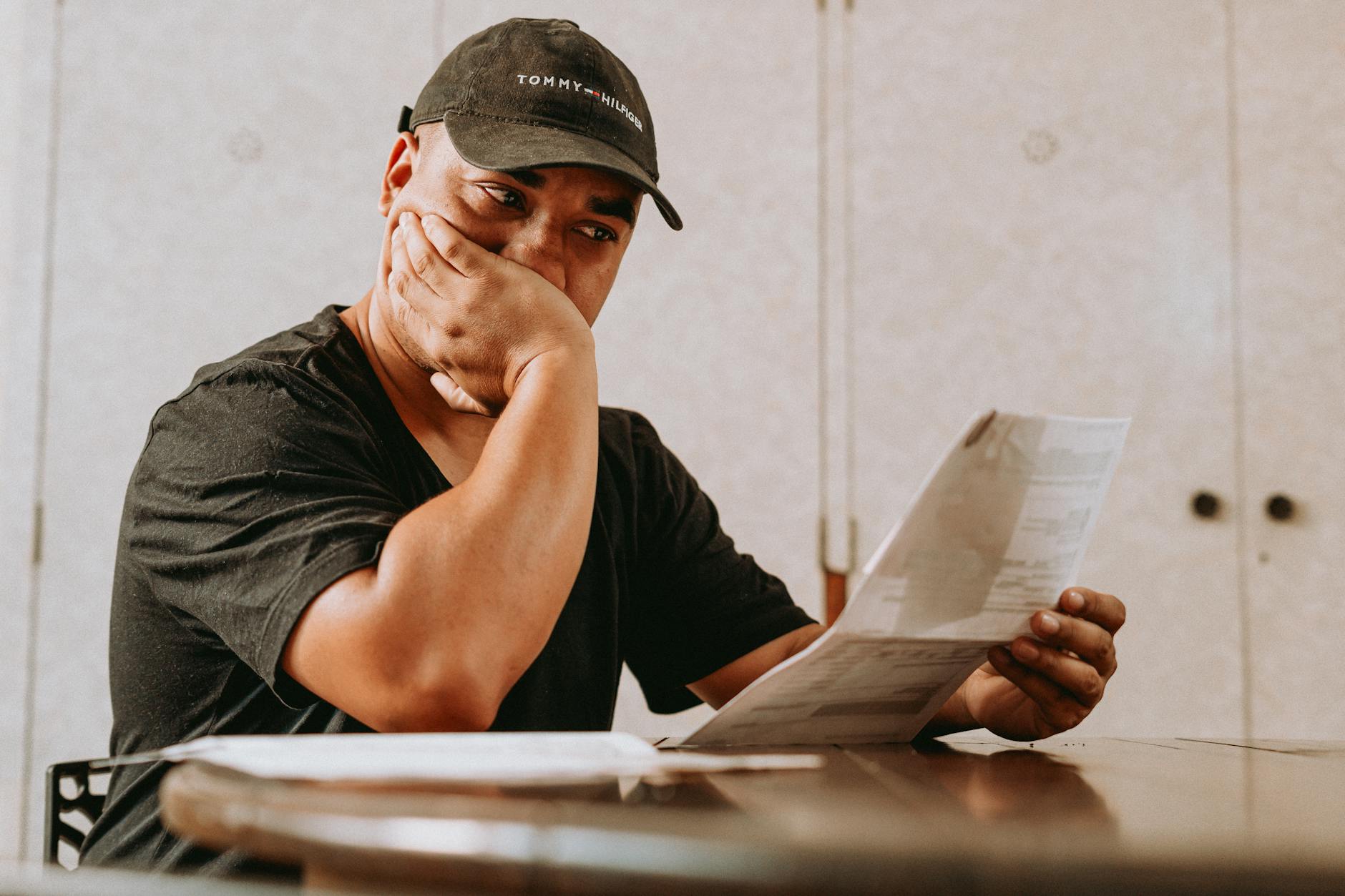
What reviews don’t surface well is the small worries and questions people have before hiring. Here’s what comes up most in actual inquiries.
Questions you might feel are “too basic to ask” are usually exactly the ones worth getting answered before signing up.
Common Pre-Hire Concerns and How They’re Usually Answered
Hypothetically, here are the kinds of inquiries that come up — written as general patterns, not actual cases. Industry-typical concerns and the way they tend to be addressed.
- Concern: are they really walking? > Providers with GPS tracking or video streaming let you confirm in real time
- Concern: is the price worth it? > Check fee breakdown, duration, and what’s included
- Concern: is this religiously OK? > Daisan (proxy pilgrimage) is a 1,000+-year-old custom, sect-neutral
- Concern: will my family object? > Nokyocho and records help explain it to family
- Concern: can I cancel after signing up? > Each provider’s policy varies — confirm upfront
These concerns rarely show up in reviews as “I worried but it was fine.” Direct inquiry tends to be the most reliable way to clear them, one by one.
The “will family object?” worry comes up especially when there’s a generational gap in values. Tangible nokyocho and video records help bridge the meaning across age groups.
Because reviews are scarce in this industry, how a provider responds is itself the data source. The care in their email replies and the specificity of their answers tell you things stars never could.
What to Verify That Reviews Won’t Show You
Reviews mostly capture subjective impressions. Objective info about the service structure and operations doesn’t usually surface there.
Before signing up, check these objective points:
- Operating company location and representative name: registered company or individual?
- Years of operation and track record: how long has this provider been running?
- Specified Commercial Transaction Act disclosure: legally required seller info and refund policy?
- Payment methods: bank transfer only, or credit card? Installments possible?
- Progress sharing during the walk: how often, in what format (photos / video / reports)?
- Nokyocho delivery method and timing: how long after completion does it arrive?
Especially the Specified Commercial Transaction Act disclosure is a strong signal of provider legitimacy. Whether the legally required information is properly published is a more concrete trust signal than reviews.
If you’re stuck on which provider to pick, this companion piece may help: “Comparing Ohenro Daiko Services: How to Pick the Right Provider Without Going by Price Alone” — type-by-type comparison sharpens provider selection a lot.
If provider trustworthiness itself is the worry, this companion is also worth a look: “Is Ohenro Daiko a Scam? How to Spot Shady Proxy Operators and Find Trustworthy Ones“.


FAQ: Common Questions on Ohenro Daiko Reviews and Experiences
- Where can I find the most ohenro daiko reviews?
- Few reviews — does that mean providers have bad reputations?
- Is it OK to ask the provider directly for reviews/testimonials?
- Are there negative reviews or trouble cases?
- Family is saying “don’t do it” — how to handle?
Still on the Fence? Just Reach Out — No Pressure

The reason ohenro daiko reviews are scarce comes down to a structural mix of service characteristics and client psychology.
What matters isn’t the number of reviews — it’s provider transparency, response quality, and confirming the objective information directly.
- Few reviews ≠ bad reputation; it’s a structurally low-public category
- Combine provider sites, skill marketplaces, Google Maps, and SNS as info sources
- Client profiles cluster around “delivering someone’s wish in tangible form”
- Post-service feedback skews “I’m glad I did this,” with the nokyocho helping family explanations
- What reviews miss, you fill in by inquiring directly with providers
If you’re thinking about it but haven’t decided, a no-pressure consultation is often the right first step. Pricing, service scope, religious questions, how to explain to family — anything is fair game.
Because reviews are scarce, how the inquiry conversation goes reveals the provider’s character. That, in the end, may be the most reliable “real voice” you’ll get.
Ohenro Gift Service offers no-pressure pre-hire consultations. Pricing, the proxy pilgrimage flow, how to explain to family — feel free to clear up whatever’s on your mind, one item at a time. We focus on transparent communication and real walking pilgrimage as the core of how we operate.
▼ Related reads
- Comparing Ohenro Daiko Services: How to Pick the Right Provider Without Going by Price Alone
- Is Ohenro Daiko a Scam? How to Spot Shady Proxy Operators and Find Trustworthy Ones
![[Ohenro]Shikoku Pilgrimage Proxy Service: Costs and How to Choose a Trusted Provider](https://ohenro-gift.com/en/giftohenro369/wp-content/uploads/2026/03/agency_thumb-300x200.jpg)