
Elderly and Want to Walk Shikoku? 3 Ways to Make the Pilgrimage Happen Without Breaking Yourself
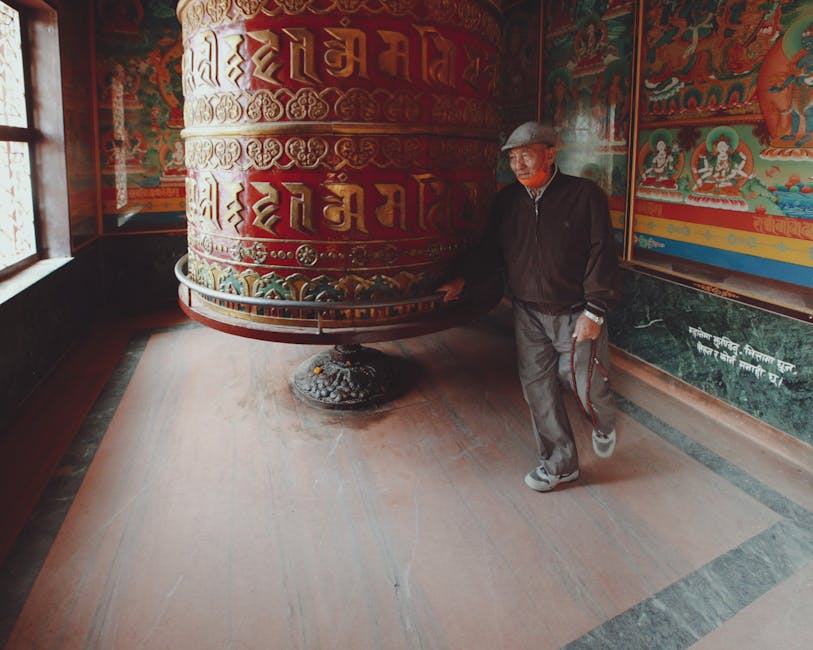
If that sounds like your situation, you’re far from alone — plenty of people want to do the Shikoku Pilgrimage in their later years but can’t quite commit because of stamina or health.
People in their 70s and 80s say “I want to go” for real reasons: a life milestone, honoring a parent or spouse, doing it while they still can.
But on the other side, knees, hips, heart, and blood pressure all become genuine concerns. “What if something happens out there?” is a real fear families carry.
In this article, I’ll walk you through three ways elderly folks can actually do the pilgrimage — and the alternative when even those aren’t realistic.
- What pilgrimage actually looks like for participants in their 70s and 80s
- How to choose your style based on knee and leg condition
- 3 lower-impact pilgrimage methods (bus, taxi, stage pilgrimage)
- Honest answers to the 3 biggest worries elderly pilgrims have
- What to do when going just isn’t possible — the daisan option

Want to Walk Shikoku in Your Later Years? Start by Checking Stamina and Health

If you’re thinking about Shikoku at an older age, the first thing to check is your current stamina and health. Age alone doesn’t tell you everything.
Some 70-year-olds walk strong. Some 60-year-olds can’t because of chronic conditions. The right reference point is your actual body, not the number on your driver’s license.
What pilgrimage looks like for people in their 70s and 80s
Here’s something most people don’t realize: Shikoku’s 88 temples see plenty of pilgrims in their 70s and 80s. Bus tours and car-based pilgrimages are dominated by senior participants.
According to records from the Shikoku Reijokai (the temple association), the core demographic is people in their 60s to 80s. Pick a style that matches your stamina and health, and the pilgrimage absolutely accommodates you.
- 70s: Mostly bus pilgrimage and personal car routes
- 80s: Taxi pilgrimage and stage pilgrimage (a bit at a time) are most common
- 90s: Family-supported visits to a portion of the temples happen too
- Walking pilgrimage: Mostly capped at the 60s — beyond that is rare
- Companion presence: 80%+ go with family or pilgrimage groups
So “I’m too old” isn’t really the right framing. “Pick a style that fits your body and you can absolutely participate” is closer to how Shikoku actually works.
That said, don’t push it. You don’t have to walk all 1,200km, but there’s still movement between temples and stair climbs at the sites. Building up your conditioning beforehand is worth it.
Choosing your style based on knee and leg condition
The biggest wall for elderly pilgrims is the state of your knees, hips, and legs. Many temples have steep stairs or hill approaches, so leg issues can make actual visits difficult.
Here’s how to think about style choice based on physical condition.
- No stair issues: Bus pilgrimage, personal car, or stage pilgrimage all work
- Mild knee discomfort: Taxi pilgrimage gets you closer to each temple
- Long walks are tough: Visit a subset of temples or just nearby sacred sites
- Stairs are a no-go: Proxy pilgrimage (daisan) is a real option
- Chronic conditions: Talk to your doctor before deciding
For example, “I can walk, but not for long stretches” is a really common situation in your 80s. A taxi pilgrimage doing 3–4 weeks at a few temples per day is a totally viable pattern.
The key is respect the person’s wish, but pick a form they can actually do without breaking.
The body’s state can shift fast. While “wanting to go” and “being able to go physically” still line up, moving in whatever form is doable is what makes it the choice without regrets.
Just sitting down as a family to plan a temple visit can become an irreplaceable conversation with an aging parent. The form might matter less than the fact that you got to have that time. Hearing what they actually want to do is more precious than people realize.
3 Pilgrimage Methods That Work for Elderly Folks Without Pushing It
Let me walk you through three real participation styles for elderly pilgrims. I’ll cover the upsides and the things to watch for in each.
Pick whichever fits your stamina, budget, and timing best.
Bus and taxi pilgrimage — minimize the physical load
Bus pilgrimage is the most mainstream way to do Shikoku. A tour operator runs the trip with a tour guide and a sendatsu (pilgrimage leader) accompanying everyone — that’s the standard setup.
For elderly folks worried about stamina, this cuts the physical load to a minimum. That’s the big draw.
- Bus pilgrimage advantages: Vehicle transport between every temple, guides handle the luggage
- Taxi pilgrimage advantages: Drops you close to each temple, pace adjusts to you
- You’re not alone: A sendatsu walks you through proper etiquette
- Just focus on praying: No navigation worries, no risk of getting lost
Bus pilgrimage runs about ¥300,000–500,000 total spread across 10–12 trips for all 88 temples. Taxi pilgrimage is roughly ¥50,000–80,000 per day, usually booked for 3–4 day blocks.
Watch out for the group pace problem — bathroom breaks and meals are scheduled, so if you need to move at your own rhythm, it might not fit.
If you’ve got real health concerns, a smaller-group taxi pilgrimage usually has more flexibility built in.
Stage pilgrimage — go at your own pace
Stage pilgrimage (kugiri-uchi) means you don’t try to walk all 88 temples in one shot. You break it into multiple visits and chip away. For elderly pilgrims, this style might be the best fit.
Each individual trip stays manageable, and you complete the kechigan (full circuit) on your own timeline.
- Split by prefecture: Tokushima → Kochi → Ehime → Kagawa across 4 trips
- A few temples per visit: 3–5 a day to keep the body fresh
- Pick your seasons: Concentrate on spring and autumn weather
- Body comes first: Reschedule if weather or health says so
- Multi-year plan: Plenty of pilgrims finish over 5–10 years
For instance, 2–3 trips per year, 4–5 days each, completing all 88 over 5 years is an actually realistic pattern.
The real strength of stage pilgrimage is “if something gives, you can pause.” You can keep adjusting around your body — that’s what makes it safe for elderly pilgrims.
The thing to watch for is travel and lodging costs stack up across all the trips. At ¥40,000–80,000 per visit, the total can land somewhere unexpected.
Since you’re committing to a 5–10 year plan, keeping motivation alive across that span matters too. Setting “next trip is X month, starting from temple Y” each time tends to keep things moving.
Doing stage pilgrimage with family or fellow pilgrims is a solid pattern. “Let’s go to that next temple together” becomes mutual encouragement.
Just visit a subset of temples
Another option: skip “all 88” and visit just the temples you can actually reach.
Officially, completion (kechigan) means visiting all 88. But the pilgrimage as a practice can start with just one temple — that’s how flexible Shikoku’s tradition is.
- Just temple 1: Get a feel for the pilgrimage at Ryozenji in Tokushima
- Just nearby temples: Day-trip range only, low pressure
- Tag onto a family trip: Slot a few temples into your travel plans
- Personally meaningful temples: Family hometown, places with history
People assume “if you don’t do all of them, it doesn’t count.” But even one temple visit holds the meaning of pilgrimage — that’s how Buddhist thinking actually works.
Take Ryozenji (temple 1) — it’s at the entrance of Tokushima and reasonably accessible from the Kansai region too. If “I just want to feel the pilgrimage atmosphere once” is where you’re at, it’s a great first step.
Even at one temple, lighting incense and reading the sutras lets you tap into the pilgrimage’s spiritual core. “That was actually meaningful, maybe I want more” is how plenty of people end up moving into stage pilgrimage from there.

The 3 Biggest Worries Elderly Pilgrims Have — and How to Actually Handle Them
When elderly folks start thinking about Shikoku, worry comes with the territory. “Will my stamina hold?” “What about cost?” “Who’ll go with me?” — the real-world questions pile up.
Here are the three I hear most, with honest answers for each.
“Will my stamina actually hold?” — answering the biggest worry
The number-one fear is “will I make it through?” Hitting multiple temples a day for many days straight, the worry’s understandable.
Bottom line: picking the right style takes most of the stamina worry off the table.
- Choose taxi pilgrimage: Minimize travel between temples
- Cap the daily count: 3–5 temples a day with breathing room
- Use stage pilgrimage: Spread the load across a long-term plan
- Build in rest days: One off after every 3 days of visits
- Pre-trip conditioning: Walking more 1–2 months ahead
“Pushing through and collapsing defeats the whole point” — both elderly pilgrims and their families feel this. A schedule with margin is what actually gets people to the finish line.
The other piece is flexibility to adjust based on weather and energy each day. “Let’s just do two temples today and call it” — building a buffer day in lets you make that call without ruining the plan.
How to handle cost, scheduling, and companions
After stamina, the heaviest worries are around cost, schedule, and companions. Shikoku takes time and money, so practical adjustments are part of the deal.
Here’s the direction for each.
- Cost worries: Bus ¥300K–500K total, stage pilgrimage over 5 years ¥500K–800K
- Schedule worries: If 45–60 days isn’t doable, plan it as 5–10 years stage pilgrimage
- Companion worries: Family can’t come? Bus tours with guides have your back
- Insurance prep: Look into travel insurance / domestic trip injury coverage
The companion question hits hardest for elderly folks. “My kids are working.” “My spouse’s health is shaky too.” That’s a story I hear constantly.
That’s where a sendatsu-led bus tour earns its keep. Going alongside other people in the same age bracket, you’re not isolated — that matters more than people realize.
On cost, budgets tend to swell beyond expectations. Lodging, meals, transport, nokyo fees stacking up — ending at 1.5x the original budget isn’t unusual.
Padding the budget upfront is what actually keeps the trip running smoothly to the finish.
One more direction: if family can’t come, tap into local pilgrimage support organizations. The Shikoku Reijokai and local pilgrimage inns sometimes offer support specifically for elderly pilgrims.
Having someone with local knowledge alongside you smooths out unexpected hiccups. “I’m worried about going alone” often gets dramatically lighter once you’ve got real local backup.
If Going Just Isn’t Possible — The Daisan Option for Elderly Pilgrims
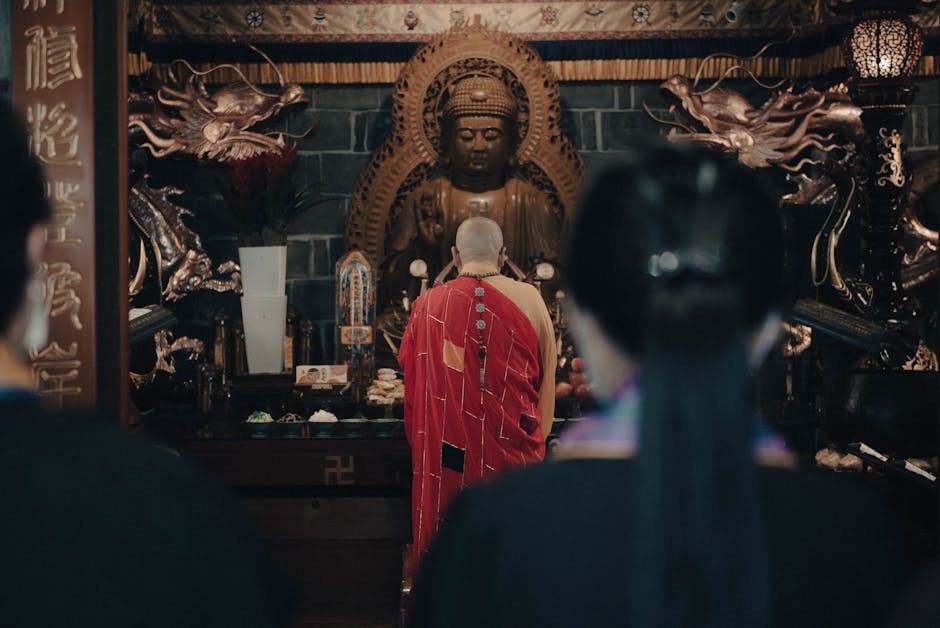
When stamina or health makes going to Shikoku genuinely impossible, here’s the option worth knowing about: daisan (proxy pilgrimage pilgrimage).
This gets attention from elderly folks who feel “the desire is real, but the body says no” and from family members looking for something meaningful for an aging parent.

What is daisan? A legitimate way to fulfill the wish even when you can’t go
Daisan is when someone else makes the visit and walks the pilgrimage on your behalf. It’s not a new service — it’s a recognized form embedded in Japanese Buddhist culture for over a thousand years.
In the Edo era, villagers used a system called “Ohenro-kō” — they pooled money to send one representative to do the pilgrimage. It’s the wisdom that kept distance and physical limits from shutting people out.
So “I can’t go, so I’ll give up” isn’t the only path — “I can’t go, so this alternative exists for exactly that reason” is how daisan actually functions.
For folks who want to walk Shikoku but physically can’t, the article on solutions when you can’t make it to the pilgrimage is also useful.
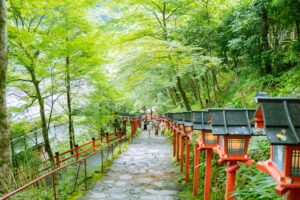
Does the requester get the spiritual merit?
The question that always comes up with daisan is “if someone else goes, does the merit reach me as the requester?”
In Buddhist thinking, “prayer circulates.” Even when someone prays on your behalf, the merit reaches you — that’s a teaching that goes back over a thousand years.
- The pilgrimage’s core is prayer: It’s the dedication, not the walking itself
- The nokyocho is physical proof: All 88 temples’ stamps and calligraphy remain
- The visits genuinely happen: Formal visits to both main hall and Daishi hall complete
- Edo-era common sense: Daisan was widely practiced as Ohenro-kō
So “can’t go” doesn’t equal “the pilgrimage is off.” From a spiritual-merit perspective, daisan absolutely holds up.
If your aging parent talked about Shikoku, asking family or a trusted proxy service is one way to honor that wish. The fact alone — “someone walked it for me” — can be a real source of peace for the person you’re doing this for.
Photos and videos from the actual route, the real nokyocho arriving in their hands — that’s how the wistfulness of “I couldn’t go” gradually softens. The pilgrimage stays as a record that connects the family — that’s the texture of what daisan actually offers.
Shikoku’s real-world walked someone-else’s-thoughts come back as a nokyocho in your hands. “I couldn’t go, but the pilgrimage was completed” is one way to make peace with the gap between the desire and what your body could actually do.
For more on daisan’s history and its religious legitimacy, see our full proxy pilgrimage guide.
![[Ohenro]Shikoku Pilgrimage Proxy Service: Costs and How to Choose a Trusted Provider](https://ohenro-gift.com/en/giftohenro369/wp-content/uploads/2026/03/agency_thumb-300x200.jpg)
Common Questions From Elderly Folks Who Want to Walk Shikoku
- Can someone in their 80s actually do the pilgrimage?
- Are there temples that work even with bad knees?
- What’s the best style for elderly folks worried about stamina?
- Can someone go without family along?
- What if the body just isn’t going to allow it?
Your Wish to Go Is Real — Let’s Find the Form That Actually Works for You
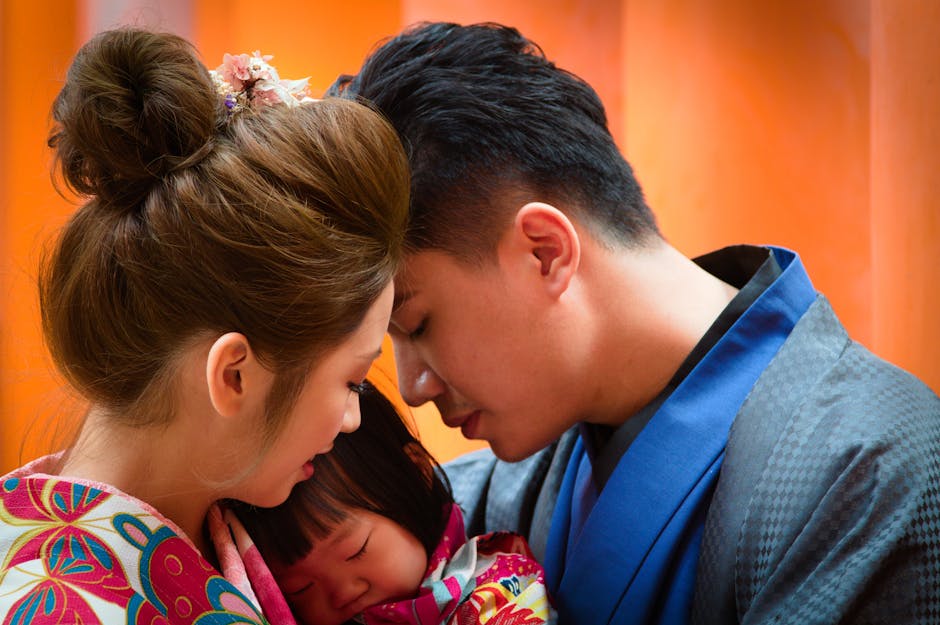
For elderly folks wanting to walk Shikoku, the real options are bus pilgrimage, taxi pilgrimage, stage pilgrimage, partial visits, and daisan — multiple paths. Age and stamina aren’t reasons to give up.
The thing that matters is honoring “I want to go,” and picking a form that doesn’t break the body.
- 70s and 80s can absolutely do Shikoku with the right style
- Pick from the 3 main methods: bus, taxi, or stage pilgrimage
- Stamina, cost, companions — each has a real solution
- If going truly isn’t possible, daisan is a thousand-year-recognized option
- Don’t kill the wish — find the form that fits your situation
Suppressing the desire and saying “someday” can quietly turn into missing the actual window. Moving in whatever form is doable now tends to be the choice you don’t end up regretting.
“Go in the form that’s possible,” “have someone walk it for you,” “just visit a few nearby” — every one of these is a sincere stance toward the pilgrimage. There’s a form that fits the elderly person’s wish without forcing things.
If “there’s just no physical way for me to go” describes your situation, Ohenro Gift Bin walks the 88 temples on your behalf — that’s worth considering. The real nokyocho and on-the-ground pilgrimage records get delivered to you or whoever you’re sending it for.
Cost, what the pilgrimage actually involves, how to explain it to the family — for any of that, the plans and LINE consultation page is open. Just asking is fine — no commitment needed.
▼ Related reads
- Can’t Make It to the Shikoku Pilgrimage? Real Options to Complete the 88 Temples Anyway
- Gifts That Actually Land for People in Their 80s — How to Pick Something Meaningful for an Elderly Parent
- Complete Guide to Ohenro Proxy Services — Pricing, Process, and How to Pick a Trustworthy Provider