
What the Ohenro Pilgrimage Means for Older People: Why Folks in Their 70s and 80s Walk
If that’s where your head is at, you’re far from alone — more people sit with this than you’d think.
When parents in their later years start saying “I want to walk the pilgrimage,” there’s a pattern behind it — why this pull surfaces now, specifically. Once you see the background, the picture changes.
Retirement, kids grown, more focus on health, more time for reflection. “I want to put my own life in order” — that instinct is what draws people toward the pilgrimage.
In this article, I’ll lay out what the ohenro pilgrimage actually means for older people, the way I see it.
- Who picks ohenro in their 70s and 80s, and why
- What makes the pilgrimage pull stronger as people age
- The three deeper meanings the pilgrimage holds for older people
- Realistic options when stamina is a concern
- How daisan delivers the pilgrimage’s intent on someone’s behalf
Why Older People Walk the Ohenro Pilgrimage: The Pull at Life’s Turning Points
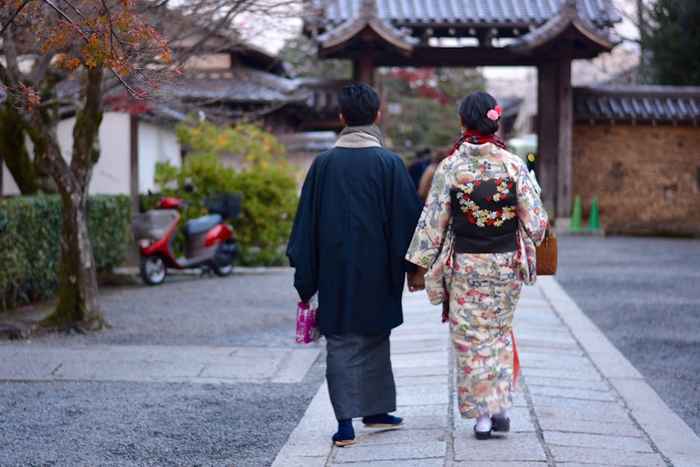
Look at who’s actually on the route, and people in their 60s through 80s make up the largest share. Not the young — pilgrims in the second half of life dominate.
Let me work through what’s underneath that.
Who picks ohenro in their 70s and 80s
At every Shikoku temple, you see older pilgrims walking solo or as couples as part of daily scenery. Here are the typical profiles.
- Newly retired: late 60s to early 70s, freshly out of working life
- Lost a spouse: walking as a way to process and move forward
- Survived a serious illness: walking in gratitude or for continued recovery
- Hitting a milestone age: koki (70), kiju (77), sanju (80)
- Carrying a family member’s intent: walking on behalf of someone who couldn’t
What ties them together: standing at “a turning point in life where pausing makes sense.” Things invisible at 30 start showing themselves as you approach the later years.
Picture “a woman in her 70s, married 40 years, who just lost her husband.” Walking the pilgrimage to make peace with the loss is a story you hear often in Shikoku.
Why the pull strengthens with age
Temples that looked like “just tourist spots” in your 20s start meaning something different as the years stack up. That shift is something nearly every older pilgrim describes.
Here’s why it happens.
- Time becomes finite: the awareness of “remaining time” shows up
- The urge to look back: wanting to put the past in order
- Death and life feel closer: thinking about the other shore starts surfacing
- Experience over things: inner fulfillment outweighs material accumulation
- Pull toward ancestors and the deceased: wanting to send prayer to those who’ve passed
What ties these together: “the inner timeline lengthens.” A 10-, 20-, 30-year window of reflection on past and future opens up — and that opens the door to what the pilgrimage actually offers.
For ohenro itself, “What is ohenro? Meaning, purpose, and history” walks through the basics. Pair this read with that one for the foundation.
“I’m too old now” is the wrong frame. Reframe it as “prayer that only becomes possible because of age” — that’s what makes the second half of life richer.
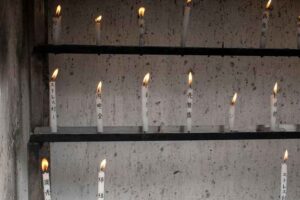
Three Deeper Meanings the Pilgrimage Holds for Older People
For older people, the pilgrimage carries weight that travel and tourism don’t. Three deeper meanings show up that only the second half of life can really feel.
A journey of reflection and gratitude
First: “a journey of reflection and gratitude.” The act of visiting 88 temples one by one becomes the space for putting your own life in order.
Concretely, here’s how it works.
- Hours of walking become inner time: a few hours per day turn into reflection
- Facing past events: hard moments and joyful ones surface
- Gratitude toward family and friends: feelings for people who carried you come up
- Reviewing your own choices: “was this the right call?” sits with you
- Re-finding life’s meaning: the act of walking itself becomes the answer
So the pilgrimage works as “the editing space for your own life.” While walking physically, you sort through the past mentally — they happen at the same time.
“Was that choice years ago really right?” “Did I show enough gratitude to my family?” Questions you don’t normally face come up whether you want them to or not.
Prayer for health and long life
Second: “prayer for health and for health and long life.” The instinct to use the time you have left well naturally takes the shape of prayer.
Here’s what older pilgrims typically pray for.
- Own health and long life: spending the remaining years well
- Spouse’s health: more years together with your partner
- Children and grandchildren’s wellbeing: prayer for the future of your line
- Healing: recovery for yourself or family fighting illness
- Peaceful later years: living with quiet inside
What ties these together: “entrusting hope for the future to the buddhas.” Prayer made with awareness of remaining time carries weight that prayer in your 20s simply doesn’t.
The Shikoku 88 includes multiple temples with Yakushi Nyorai (the medicine buddha) as their honzon. For older pilgrims praying for health or healing, this route holds particular meaning.
Memorial for ancestors and the deceased
Third: “memorial for ancestors and the deceased.” The older you get, the stronger the urge to send prayer to those who’ve already gone.
Here’s what shows up.
- Memorial for parents and grandparents: gratitude to the generation that came first
- Memorial for a spouse: shaping prayer for the partner who went ahead
- Memorial for siblings and friends: holding the loss of peers
- Prayer for the whole family line: ancestors back, descendants forward
- Pilgrimage carrying someone else’s intent: walking for someone who couldn’t
What ties these together: “prayer that isn’t only for yourself.” Spending the time of an 88-temple pilgrimage on prayer for those who’ve passed — a quietly profound choice.
Buddhism’s “ekō (廻向)” framework holds that the merit accumulated by the living can be redirected to the deceased. Walking the 88 itself functions as channeling that merit toward those who’ve gone.
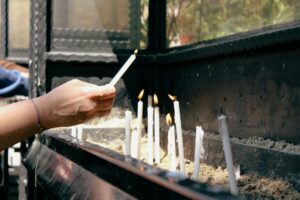
How to Honor the Pilgrimage Intent When Walking Isn’t Possible
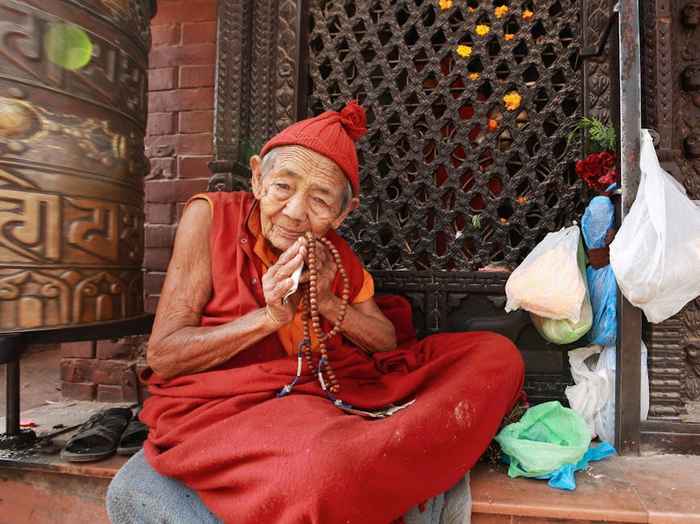
“I want to walk, but my body isn’t up to it.” A real wall, hit by many. Before giving up, the options are worth knowing.
What to do when stamina or health is a concern
There are several real options for older folks. Walking isn’t the only path.
Here’s the breakdown.
- Bus tours: lower physical load with professional escorts
- Taxi pilgrimages: at your own pace, 4–5 days to round the route
- Rental car: family drives you through
- Kugiri-uchi (segmented): split across multiple trips, in chunks
- Accessible lodging: stays designed for varied stamina levels
“Walking is the only real way” is a myth. The transport method isn’t the essence; the prayer at the heart of it is. The act of going through all 88 carries the value — that’s the right framing.
For specifics, “For older folks who want to walk the pilgrimage: 3 ways to make it work” goes deeper. Worth pairing if you want practical detail.
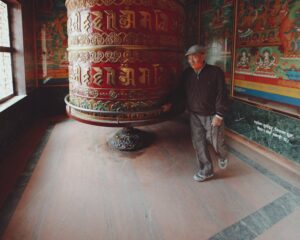
Daisan: delivering the pilgrimage’s intent on someone’s behalf
When walking is genuinely off the table, there’s the option of “having someone pray on your behalf” — daisan. A form of prayer with a thousand-plus years of history behind it.
Here’s what daisan actually does.
- Prayer at all 88 temples: the client’s name carried to every site
- A real nōkyōchō: seals and calligraphy from all 88 — proof of pilgrimage
- Pilgrimage report: photos and video from each temple
- “Dōgyō ninin” with Kobo Daishi: prayer carried under the thousand-year framework
- Prayer for ancestors and deceased: praying on behalf of family who’ve passed
So daisan is “a way to deliver intent to all 88 temples even when you can’t go.” The Buddhist “ekō” idea, in modern form.
Picture “an 80-something mother who can’t physically walk but wanted to in life.” A child or grandchild requesting daisan delivers her intent to the 88 in a way that actually works.
For broader gift-giving thinking for older parents, “Special gifts for older parents” includes daisan among the options worth considering.

“Walking it yourself is what gives it meaning” is a position worth honoring too. Just — “can’t go” doesn’t equal “intent can’t be honored” is also worth holding onto.
FAQ on Older People and the Ohenro Pilgrimage
- How many older people actually do the pilgrimage?
- Can someone in their 80s actually do the pilgrimage?
- How is ohenro different for older people vs. younger ones?
- My parent said they want to walk the pilgrimage — how do I support that?
- What’s the effect of doing ohenro at a life turning point?
Age Isn’t the Barrier — Help Honor the Pilgrimage Intent of People You Love
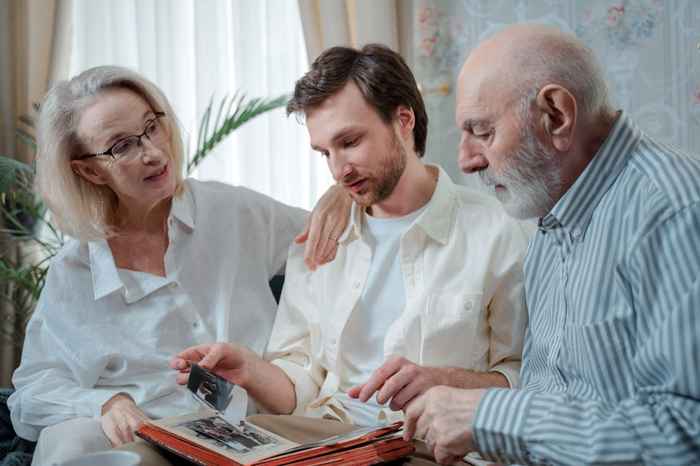
The pilgrimage means different things depending on the position in life where you meet it. For someone in their 70s or 80s, there’s depth that simply isn’t available at 30.
If your parent or grandparent says “I want to walk the pilgrimage,” there’s real backstory underneath. The pull strengthens with age — not without reason.
- Roughly half of Shikoku 88 pilgrims are 60+
- For older people, the pilgrimage carries three meanings: reflection, prayer, memorial
- Beyond walking — bus tours, taxi pilgrimages, kugiri-uchi exist
- When physical pilgrimage isn’t possible, daisan delivers the intent to all 88
- Working out “what’s actually doable” together as a family matters most
If “my parent wants to walk, but it’s physically out of reach” describes the situation — Ohenro Gift Bin, walking the 88 to deliver prayer, is one option to consider.
A real nōkyōchō and a record of the pilgrimage land as proof of intent for the person and family. Place it on the family altar or in the living room — the family can share the meaning of the pilgrimage together.
If you’re considering daisan, the move is to talk through prayer content and timing with a provider first. Confirm pricing, the process, and what they cover, then move forward only when you’re convinced.
For broader provider-selection guidance, the complete ohenro daisan guide walks through the criteria worth holding to.
For pricing, the mechanics, or what fits your family’s situation — anything worth asking, please reach out via the plan and LINE consultation page. Even just a question is fine.
“What suits our parent’s situation?” “How do we support this as a family?” — specific questions get straight, honest answers, one at a time. Moving forward only when you’re convinced is what we want too.
Age isn’t a barrier to the pilgrimage. For every position in life, there’s a form of prayer that fits. Working that out together as a family — that’s what we’re here for.
▼Related reads
- For Older Folks Who Want to Walk the Pilgrimage: 3 Ways to Make It Work
- Special Gifts for Older Parents
- What Is Ohenro? Meaning, Purpose, and History
![[Ohenro]Shikoku Pilgrimage Proxy Service: Costs and How to Choose a Trusted Provider](https://ohenro-gift.com/en/giftohenro369/wp-content/uploads/2026/03/agency_thumb-300x200.jpg)