Tsuizen-Kuyō from the Ground Up: Buddhist Meaning and Modern Forms of Memorial Care
You’re not alone in feeling that way.
The term tsuizen-kuyō — heard of it, but no clue about the actual practice. That’s where most people genuinely sit, isn’t it.
Many people only encounter the concept of tsuizen-kuyō for the first time when someone close to them passes. It’s not something taught in school, and it’s not exactly common conversation, so the confusion is completely understandable.
With nuclear families becoming the norm and ties to family temples (bodaiji) thinning out, more people need to learn “the form of prayer for the deceased” from scratch. There aren’t many opportunities to be taught this, in my experience.
In this article, I’ve put together everything from the meaning of tsuizen-kuyō to modern practice, organized carefully from the basics.
- The original meaning of “pursuing good” carried by the term
- How hōyō (memorial rites) and kaiki (anniversaries) relate to it, organized clearly
- 3 modern methods of practicing tsuizen-kuyō
- Why the 49th day, 1st, and 3rd anniversaries matter
- How to think about ongoing daily tsuizen-kuyō
What Is Tsuizen-Kuyō? The Meaning in Buddhism and the Way of Praying for the Deceased
Tsuizen-kuyō is one of the central concepts in Buddhism. The thinking that sits underneath every act of remembering the deceased. Let me start by sorting out what the words actually mean.
It might sound complex, but the underlying idea is simple, in my view.
The original meaning of “pursuing good”
The “tsuizen” part of tsuizen-kuyō literally means “pursuing good (zen / virtuous acts)”. The living perform good deeds and direct that merit toward the deceased — that’s what the term expresses, fundamentally.
Let me make this more concrete.
- Tsuizen = pursuing good: The living accumulating virtuous acts
- Kuyō = offering and nurturing: Continuing to hold the deceased in heart
- Directing merit: The idea of channeling the power of good deeds to the deceased
- Ekō (廻向): A Buddhist term for circulating the power of good toward others
- Continuity: Not a one-time act — has an ongoing quality
So tsuizen-kuyō is “the living remember the deceased, accumulate good deeds, and use that power to support them”. It expresses a two-way relationship between the living and those who’ve passed on.
“Doing something good for Dad.” “Putting your hands together with Mom in mind.” Small daily prayers are absolutely a valid entry point to tsuizen-kuyō.
In Buddhism there’s an old concept called “ekō (廻向)” — channeling the merit of the living’s good deeds toward those who’ve passed. Tsuizen-kuyō is the concrete practice of this “ekō.” Holding that picture in mind makes it easier to grasp.
“Sending the power of sutra recitation to the deceased.” “Conveying feelings through visiting their grave.” The forms differ, but the same ekō thinking sits at the root.
Sorting out tsuizen-kuyō, hōyō, and kaiki
Tsuizen-kuyō, hōyō (memorial rites), and kaiki (anniversaries) are terms that get conflated easily. Once you organize the differences and relationships, what you’re actually doing becomes visible.
Let me lay out the relationship between the three terms simply.
- Tsuizen-kuyō: All acts of accumulating good for the deceased (broad sense)
- Hōyō: A rite where you invite a monk to recite sutras (one form of tsuizen-kuyō)
- Kaiki: Year-based milestone hōyō (1st anniversary, 3rd anniversary, etc.)
- Meinichi-kuyō: Daily tsuizen-kuyō on monthly anniversaries or the death anniversary
- Daily hand-clasping: Prayer at the family altar or grave is also part of tsuizen-kuyō
So “tsuizen-kuyō is the big container, and hōyō and kaiki sit inside it”. Hōyō is one representative form of tsuizen-kuyō.
“We did the hōyō, so the memorial care is done” isn’t quite right. Tsuizen-kuyō is an ongoing act, something that takes root in daily life over time, in my view.
The Practice of Tsuizen-Kuyō — Modern Forms and Methods
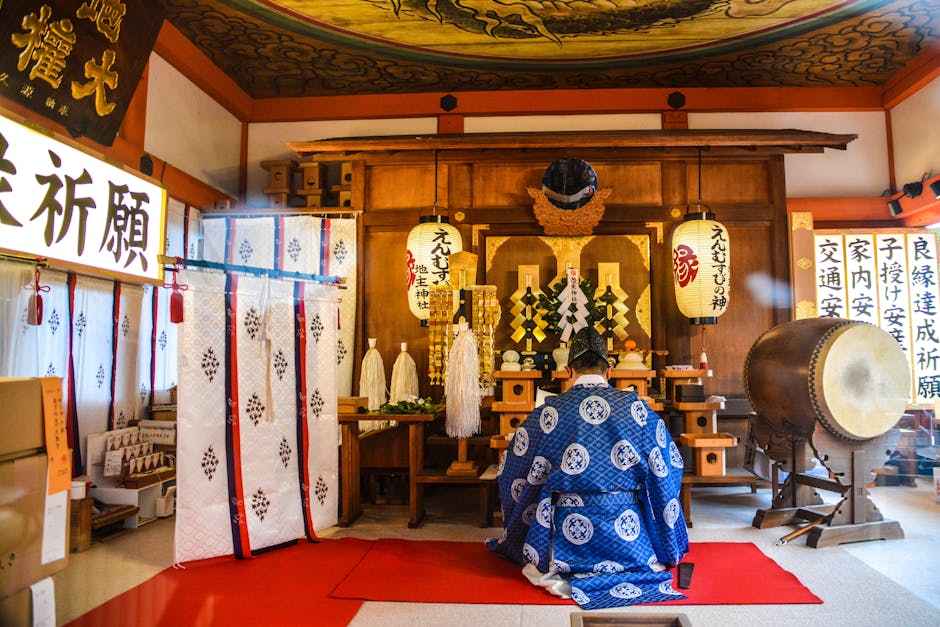
The tsuizen-kuyō practiced today comes in three main forms, broadly. The “traditional,” the “daily,” and the “newer” form.
Let me walk through each in order.
None of the three forms is right or wrong. Pick what fits your household and feelings. Or combine multiple — that’s probably the natural face of modern tsuizen-kuyō.
The traditional form: sutra recitation and hōyō
The most common tsuizen-kuyō is requesting sutra recitation or hōyō from the family temple (bodaiji). The most traditional approach, going back centuries.
The thinking that “the power of sutras supports the deceased” sits at the foundation.
- Wake and funeral: The first memorial rite for sending off the deceased
- 49th day (shijūkunichi): When the deceased’s spirit moves to the next world
- Anniversary memorials: 1st, 3rd, 7th, etc. — milestone memorials
- Monthly anniversaries: Sutra recitation each month on the death day
- Goma-kuyō: A special prayer ritual at Shingon-affiliated temples
For households with established family temple (bodaiji) relationships, these traditional forms are still the central tsuizen-kuyō. There’s a unique weight in prayer that happens with sutra-chanting voices around you.
Especially milestone hōyō are precious times where family and relatives gather to remember the deceased. Beyond the power of sutras, they become opportunities to reaffirm family bonds. The chances for everyone to physically gather are limited, which is exactly what makes those moments valuable.
A. You can still practice tsuizen-kuyō without one. Funeral homes offer temple-introduction services, or you can ask a monk you know personally. Or, instead of a hōyō, choosing daily memorial care or daisan as the form as the form is also a workable option.
Daily memorial care at the grave or family altar
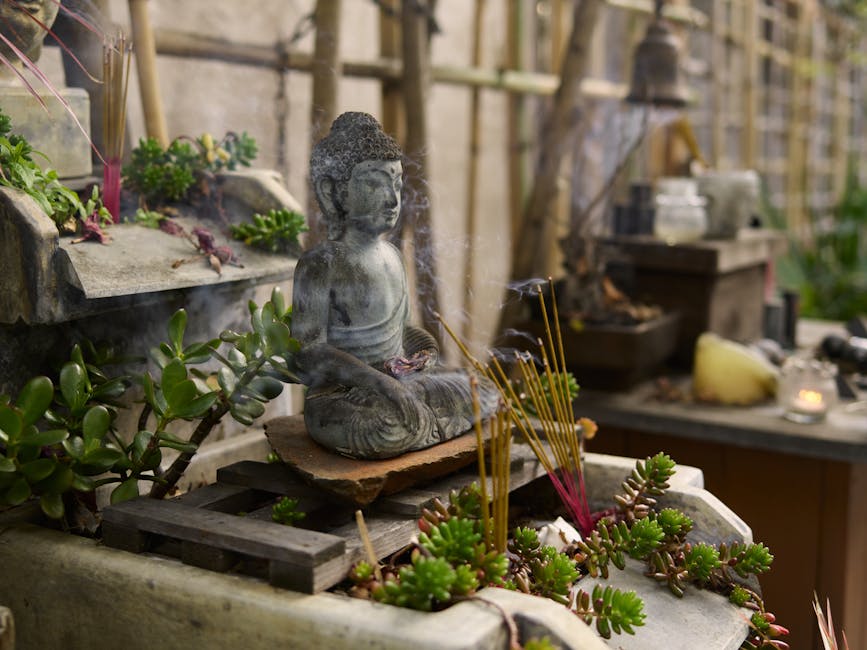
Another form: daily hand-clasping at the grave or butsudan (family altar). The most accessible form of tsuizen-kuyō — anyone can keep this going, every day.
It works without formal ritual. Just putting your hands together with heart is enough.
- Obon and Ohigan: Twice-a-year milestone grave visits
- Death-anniversary grave visit: Visiting the deceased on shōtsuki meinichi
- Hand-clasping at the butsudan: Continuing it as a morning-and-night greeting
- Offering incense and flowers: Accumulating small daily memorial care
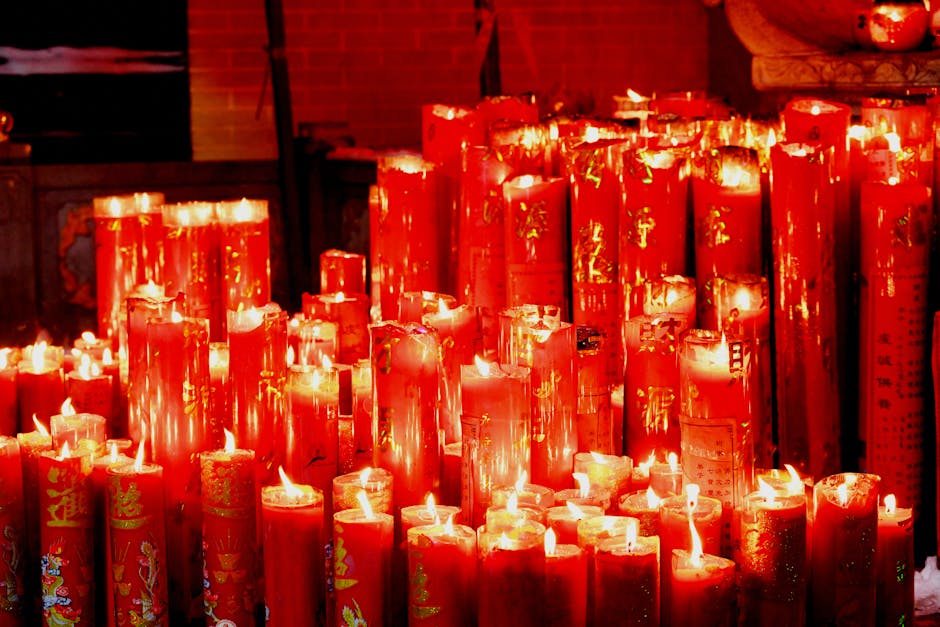
- Remembering in your heart: Even thinking of the deceased counts as tsuizen-kuyō
The strength of daily memorial care: it’s easy to keep going and easy to put your heart into. Even a few minutes of hand-clasping a day, accumulated, becomes a serious memorial force.
For example, putting your hands together at the butsudan before breakfast. Stopping by the grave on the way to work. Embedding tsuizen-kuyō into your daily rhythm makes it sustainable.
“It’s fine if you can’t do it every day” is the key. Once a month, even just a few times a year, having the posture of continuing — that’s a fine tsuizen-kuyō. Better to keep going without forcing perfection than to chase the ideal and burn out.
The moment incense smoke rises. When you change the flowers. When you put rice on the offering. Every small action of daily life can carry your feelings for the deceased. That’s the appeal of daily-form tsuizen-kuyō, in my view.
Pilgrimage and daisan: a newer form of tsuizen-kuyō
Drawing attention recently is tsuizen-kuyō in the form of pilgrimage or daisan. The traditional concept of “daisan” is being adopted in a modern shape by more people.
Praying for the deceased at distant sacred sites — a slightly special way to do it.
People who choose pilgrimage or daisan as tsuizen-kuyō tend to share common backgrounds. “The deceased was from Shikoku” or “they always wanted to walk the pilgrimage” are typical examples.
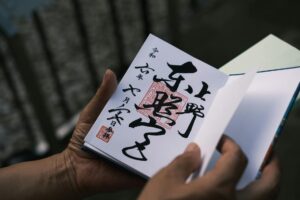
The appeal is that formless prayer turns into a tangible record — the nokyocho. The whole process of the pilgrimage walk transforms into prayer for the deceased — that idea isn’t familiar in modern life. But within Japan’s tradition going back to the Edo era, it was a completely natural form of tsuizen-kuyō.
At each of the 88 temples, the deceased’s kaimyō (posthumous Buddhist name) gets dedicated, and the real stamps and brushwork get added to the nokyocho. A tsuizen-kuyō with a special depth that hōyō or daily prayer alone can’t quite reach.
For specifics on how it works, why daisan is chosen for tsuizen-kuyō goes deeper.
What makes pilgrimage and daisan distinctive: “the act itself becomes memorial care.” Walking the 88 temples in order, putting your hands together at each one for the deceased — the whole process is one long act of prayer.
It’s often chosen as a complement to traditional tsuizen-kuyō. For example, requesting daisan to coincide with the 3rd anniversary hōyō, then placing the nokyocho on the family altar. Turning a milestone hōyō into a deeper, layered tsuizen-kuyō — the use case has been growing visibly.
When to Practice Tsuizen-Kuyō: Timing in Relation to the 49th Day and Anniversary Memorials
“When do I do tsuizen-kuyō?” is a frequent question. Let me organize this from both the milestone-timing and daily-continuity angles.
Buddhism has traditional thinking about timing, so I’ll factor that in.
The meaning of the 49th day, 1st anniversary, and 3rd anniversary
The milestones Buddhism cares about most are the 49th day and the anniversary memorials. Each carries meaning for the deceased.
Let me lay out what these milestones mean.
- 49th day (shijūkunichi): When the deceased’s spirit departs to the next world
- 100th day: Also called “sokkoku-ki” — a milestone for easing grief
- 1st anniversary (isshūki): One full year since the death
- 3rd anniversary (sankaiki): Two years (counted as “third” by traditional method)
- 7th and 13th anniversaries: Milestones as the years accumulate
In Buddhist tradition, the period of chū’in (中陰) after death leads up to the 49th day, when the spirit moves to the next world. Each milestone has the role of supporting the deceased’s journey.
Milestone hōyō are positioned as “rites that support the deceased’s spirit.” The living gather and offer prayer together — that’s the time.
Especially from the 3rd anniversary onward, attendee numbers tend to gradually decrease. Which is exactly why having the awareness to value these milestone gatherings is essential to keeping tsuizen-kuyō going.
Particularly the 49th day is heavily emphasized in Buddhism. Often called “the deceased’s departure to the next life,” it tends to be done with extra care among the various tsuizen-kuyō.
A. Continuing in another form is fine. Daisan or daily memorial care still delivers your feelings to the deceased. Don’t stress about missing a hōyō — what matters is finding a form that you can continue.
Thinking about ongoing daily tsuizen-kuyō
Beyond milestone hōyō, daily-ongoing tsuizen-kuyō matters especially in modern life. In original Buddhist thinking, tsuizen is a continuous act with no end.
Let me share a few ideas for keeping it going without strain.
- Morning hand-clasping: A few minutes thinking of the deceased to start the day
- A small ritual on the death day: Offering a favorite food on monthly anniversaries
- Daisan on special days: Delivering prayer on birthdays or anniversaries
- Family conversation: Continuing to talk about the deceased as a family
- Speaking to a photo: Time to share daily events with them
The real value of continuing: it’s a statement of intent that “we won’t forget.” More than the material act, the posture of continuing the thought is what tsuizen-kuyō really is.
Holding time to remember the deceased becomes a kind of emotional reset for the living too. Tsuizen-kuyō is for the deceased, but it’s also a support for those still here.
“I couldn’t do it today, so I feel guilty” — no need for that. Continuing within what you can keep up is the real face of tsuizen-kuyō. Better to keep gentle but going than to chase perfection and quit. That’s probably the form the deceased would be happiest with too.
If you want to know the concrete daisan flow, why daisan is chosen for memorial care of the deceased pairs well with this. A way to realize a deeper memorial than what’s possible in daily life, in a different form.
While continuing tsuizen-kuyō, combining “milestones” and “daily” is the recommended style. Honor the milestone hōyō, keep up the daily hand-clasping, occasionally bring in daisan for a deeper layer. Layering them together lets tsuizen-kuyō naturally root itself into life.
For specifics on how the proxy service works, please confirm the complete guide to Ohenro proxy services.
![[Ohenro]Shikoku Pilgrimage Proxy Service: Costs and How to Choose a Trusted Provider](https://ohenro-gift.com/en/giftohenro369/wp-content/uploads/2026/03/agency_thumb-300x200.jpg)
Common Questions About Tsuizen-Kuyō
- Can non-Buddhists practice tsuizen-kuyō?
- Is there a “right way” or set practice for tsuizen-kuyō?
- Isn’t choosing daisan as tsuizen-kuyō too modern?
- Is there an optimal duration or year-count for practicing tsuizen-kuyō?
- Does not doing tsuizen-kuyō at all become disrespectful to the deceased?
Turning Your Feelings for the Deceased into Action — That’s the Essence of Tsuizen-Kuyō
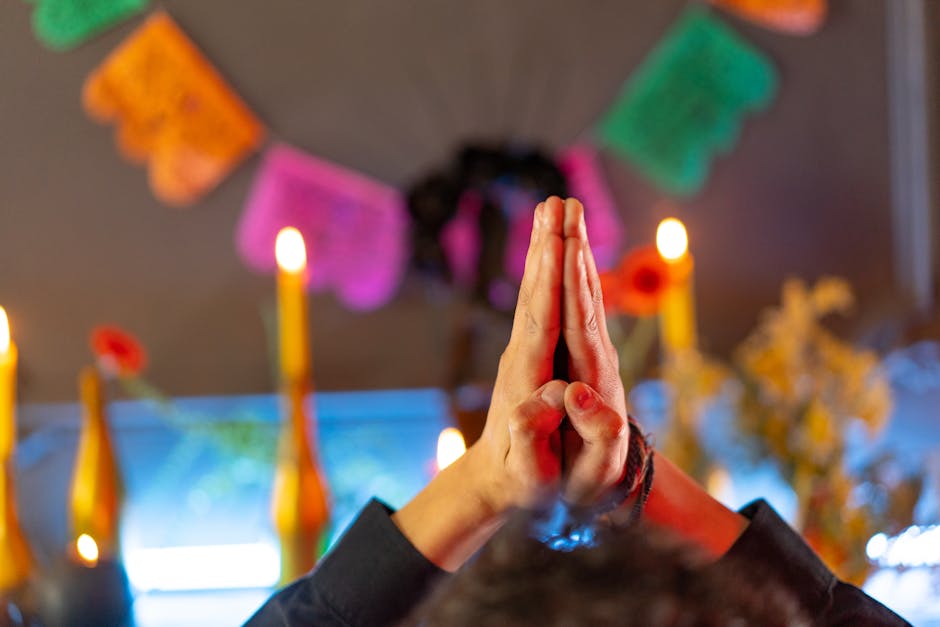
Tsuizen-kuyō means “thinking of the deceased, accumulating good, and delivering that power.” Sutra recitation and hōyō, daily hand-clasping, daisan during pilgrimage — every form is a valid tsuizen-kuyō.
What matters is the posture of not forgetting and turning the feeling into action. No need to aim for perfection — finding a form you can continue is far more important, in my view.
- Tsuizen-kuyō is the Buddhist root concept of “pursuing good and delivering it to the deceased”
- Hōyō and kaiki are representative forms within tsuizen-kuyō
- Modern practice has 3 forms: traditional, daily, and pilgrimage
- Milestones like the 49th day and anniversaries matter, but daily continuation matters too
- The essence of tsuizen-kuyō is in “the posture of continuing feeling,” more than the form
The grief of losing someone important gradually shifts shape over time. Tsuizen-kuyō is also a meaningful practice for the living, helping you move through the grief — that’s how I see it.
The last words exchanged with the deceased, the time spent together, the moments of laughter. Time to put your hands together while holding those is itself the essence of tsuizen-kuyō, in my view. Less the form, more the depth of the feeling.
“I should have done more for them.” “If only I’d done that differently back then.” Even those regret-filled feelings can be transformed into action through tsuizen-kuyō. That’s the power of this practice. It becomes both salvation for the living and a gift to the deceased.
Plenty of folks freeze under the weight of grief. But the concrete action of tsuizen-kuyō has the power to gradually reorient the heart. Putting hands together, lighting incense, dedicating the deceased’s name — each is one small step that organizes the heart.
If the whole family takes part, it also becomes a re-confirmation of bonds, with the deceased as the medium. Reconnecting with relatives you don’t normally see, in the space of tsuizen-kuyō. That’s another important role this practice plays, in my view.
If “alongside daily memorial care, I want to deliver prayer in a special form” describes you, Ohenro Gift Bin, which walks Shikoku’s 88 temples to deliver prayer, is one option to consider.
The real nokyocho and pilgrimage records become a form that stays at hand as proof of tsuizen-kuyō. Increasing numbers of folks send it to mark milestones like the 1st or 3rd anniversary.
For pricing, structure, positioning as tsuizen-kuyō, anything that comes up. Reach out via the plans and LINE consultation page. Asking is fine — no commitment.
“We’re non-religious — can we book it as tsuizen-kuyō?” “When’s the right timing to apply?” — to every fine-grained question, we’ll respond honestly one by one. Move forward when you’re fully convinced — that’s what we hope for.
▼ Related reads
- Tsuizen-Kuyō Through Ohenro Proxy: Delivering Prayer to the Deceased Across Shikoku’s 88 Temples
- Honest Memorial Care for the Deceased: Why Ohenro Daisan Is Chosen for the 49th Day and 1st Anniversary
- Complete Guide to Ohenro Proxy Services — Pricing, Process, and How to Pick a Trustworthy Provider