Hatsubon Preparation: What to Do for the First Obon After Losing Someone
If that’s where your head is at, you’re far from alone — more people sit with this than you’d think.
The first Obon after losing someone — niibon or hatsubon, same thing. “How is this different from regular Obon? What do I actually need to prepare?” — these are exactly the questions families get stuck on.
White lanterns, the priest, when to start, who to invite. Question after question piles up, and that’s typical for the first one.
In this article, I’ll lay out how to prepare for hatsubon and what the day looks like, the way I see it.
- What hatsubon (first Obon) is, and how it differs from regular Obon
- A “what to do, by when” preparation timeline for hatsubon
- How to handle the white lantern, offerings, and shōryō-dana setup
- How to coordinate the priest and the memorial service
- Memorial options when distance keeps a family member from attending

What Is Niibon / Hatsubon? How It Differs From Regular Obon
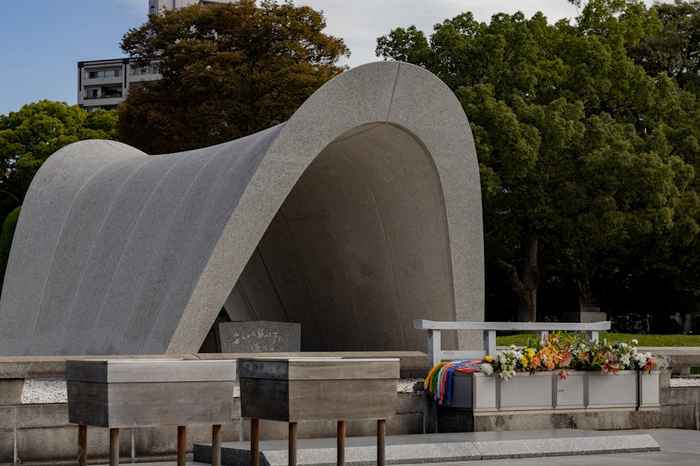
Niibon and hatsubon. Same thing — just a regional difference in naming. Both refer to “the first Obon after someone in the family has passed away.”
Let me start with how it differs from regular Obon.
Why hatsubon is treated as “special” in Buddhism
Hatsubon is positioned as “the Obon when the deceased’s spirit returns home for the first time” — and traditionally observed more carefully than regular Obon. Buddhism treats it as a meaningful turning point.
Here’s the side-by-side.
| Aspect | Regular Obon | Niibon / hatsubon |
|---|---|---|
| Spirits welcomed | All ancestors | The newly deceased + ancestors |
| Lantern: | Patterned bon-chōchin | White lantern (specific to hatsubon) |
| Memorial service | Often done in-house | Priest is usually invited |
| Family attendance | Mostly immediate family | Relatives and close friends invited |
| Preparation effort | Can be simple | More carefully prepared |
| Period | Standard Obon (4 days) | Same 4 days, more deliberate |
So hatsubon is “the Obon for receiving the newly deceased back into the family — carefully, as a household.” What matters more than form: showing up to welcome them properly the first time.
The reason hatsubon counts as “special” sits in “welcoming the newly deceased into the family’s place of comfort for the first time” — the family’s prayer for that. It threads directly into Buddhist tsuizen-kuyō.
When and for whom does it apply
“Is this year hatsubon or next year?” depends on whether the 49th-day memorial has been completed. It’s a common point of confusion, so worth sorting out.
Here’s the rule.
- If the 49th-day is complete: that year’s Obon counts as hatsubon
- If the 49th-day isn’t complete: the following year’s Obon counts as hatsubon
- In regions observing Obon in July: July 13–16’s first one
- In regions observing Obon in August: August 13–16’s first one
- Some sects (Nichiren, Jōdo Shinshū): may treat this differently
Example: “the deceased passed away in June 2026.” The 49th-day lands late July to early August, before Obon. So August 2026 is the hatsubon.
Counter-example: “the deceased passed away on July 20, 2026.” The 49th-day lands in early September, after Obon. In that case, August 2027 is the hatsubon.

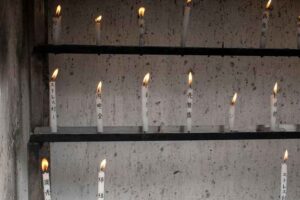
Hatsubon Preparation: What to Do, By When
Hatsubon prep starts one to two months before Obon, ideally. Last-minute prep means items can can’t be sourced, the priest’s slot is taken — classic avoidable mistakes.
Let me work through it.
White lantern, offerings, and the shōryō-dana setup
The physical prep involves multiple items. Build out a schedule.
Here’s the prep list.
- White lantern: hatsubon-specific, hung at the entrance or eaves
- Bon-chōchin (regular): patterned lanterns reused yearly
- Shōryō-dana (bondana): a separate altar from the main butsudan, for receiving the deceased
- Offerings: the deceased’s favorite foods, fruit, wagashi, dango
- Shōryō-uma / shōryō-ushi: cucumber and eggplant figures as ancestors’ vehicles
- Incense and candles: stock more than you think — usage is heavy
- Welcoming/farewell fire materials: ogara (hemp stalks), etc.
The white lantern is hatsubon-only — separate from regular bon-chōchin. Available at Buddhist supply stores, funeral providers, and these days online too.
If “what should I get?” feels unclear, talk to a Buddhist supply store clerk. Mention it’s hatsubon and they’ll usually walk you through a complete set.
Coordinating with the priest for the memorial service
For hatsubon, inviting the bodaiji’s priest to your home for a memorial service is standard. Priests’ Obon schedules fill up fast though — early booking is essential.
Here’s the flow.
- ①Contact the bodaiji (2 months out): “we’d like to request a hatsubon service” — share a desired date
- ②Confirm date and time (1 month out): pick a slot within the 13–16 window with the priest
- ③Notify relatives (1 month out): send out the date and time to family
- ④Prepare the offering for the priest (1 week out): ¥30,000–¥50,000 is the standard
- ⑤Arrange the meal (1 week out): the post-service shōjin-otoshi gathering
If you don’t have a bodaiji, the priest who handled the funeral is the natural ask, or check in with a local temple. Some families now use priest-dispatch services.
The standard offering runs ¥30,000–¥50,000. Differences across regions and sects exist, so when in doubt, ask the bodaiji directly: “is the standard amount okay, or is there a guideline?” That’s the practical move.


The Day of Hatsubon: How the Family Welcomes the Deceased
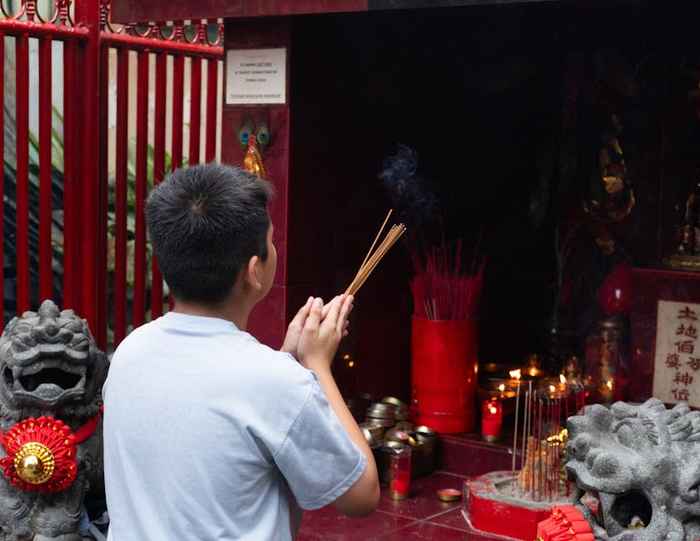
The four days of hatsubon are time for the whole family to welcome and send off the deceased. Less about getting form perfect, more about holding the feeling for the deceased.
For families doing it alone, in private
More households now choose to spend hatsubon quietly with just the immediate family. No relatives invited, just a few household members holding space for the deceased.
Here’s what that looks like.
- Welcoming fire (evening of the 13th): the family lights a small fire at the entrance
- Hands clasped at altars: morning and evening prayer at the family altar and shōryō-dana
- Sharing a meal: cooking the deceased’s favorite foods, offering them, then eating together
- Reminiscing: stories about the deceased, told together
- Farewell fire (evening of the 16th): lighting another fire to send the spirit back
The point is “time spent thinking about the deceased — that’s the actual content.” A small-family hatsubon counts as full memorial, no question.
Plenty of families find that “facing the deceased slowly is easier alone.” The depth of prayer in a quiet family-only hatsubon is something a busy gathering can’t quite reach.
When relatives gather: etiquette and logistics
If you’re inviting relatives or close friends of the deceased, the advance prep and day-of logistics matter. Worth getting the welcome right.
Here’s the flow.
- ①Contact attendees (1 month out): share date, dress code, who’s invited
- ②Day-before prep: shōryō-dana, offerings, the seating area
- ③Reception (day-of): receive offerings and koden, log them
- ④The service (morning of): priest’s chanting and attendees offering incense
- ⑤Meal (afternoon of): the shōjin-otoshi gathering, remembering the deceased
- ⑥Hikidemono (gift back): ¥3,000–¥5,000 thank-you items for attendees
Dress code defaults to semi-formal mourning, or muted everyday clothes. Full mourning attire isn isn’t required — that’s the hatsubon convention.
Plenty of hosts spiral into “what if I miss something as the host?” with extended-family hatsubon, but perfect isn’t the bar. As long as the intent shows, that’s enough.
When Distance Keeps You From Attending Hatsubon
Distance, caregiving, your own health — family members who physically can’t attend hatsubon exist. The guilt of “not making it” runs heavy, but other forms of memorial are real.
Options when you can’t reach the grave
From far away, there are still ways to send prayer to the deceased. “Can’t go” doesn’t equal “can’t do anything” — that’s worth holding onto.
Here are the options.
- Same-time memorial from home: clasp hands at home matching the service time
- Asking a relative to attend: family near the parents’ home steps in
- Grave-visit proxy services services: a professional handles the cemetery
- Online attendance: joining the service via video call
- Mailing offerings: send offerings to the family home, family places them on your behalf
These are “realistic options for family who physically can’t make it.” Less form, more “how do I get the feeling for the deceased delivered” — that’s the right framing.
The “guilt of not making hatsubon” distant family carry tends to run heavier than it needs to. The Buddhist view puts intention ahead of form.
Daisan: delivering prayer for the deceased
From a distance, “prayer in tangible form” is increasingly chosen — daisan (proxy pilgrimage), where someone offers prayer at sacred sites on your behalf.
Here’s what daisan delivers.
- Prayer at sacred sites: the deceased’s name carried, prayer offered on your behalf
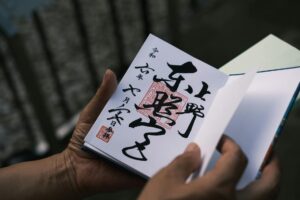
- A real nōkyōchō: seals and calligraphy from each temple as a record
- Pilgrimage report: photos and video from each site
- Place it on the altar: the nōkyōchō can sit on the hatsubon shōryō-dana
- Anchor for the family: “the prayer landed” becomes something tangible
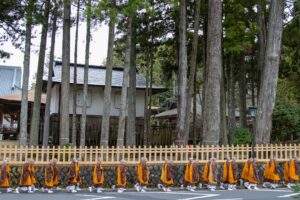
Shikoku 88-temple daisan in particular fits Obon naturally. Prayer for the deceased at all 88 temples, with a real nōkyōchō landing in your hands as the record.
For the broader Obon-and-daisan combination, “Obon memorial through ohenro daisan” walks through it. Worth a look for distant family who can’t make hatsubon.
For tsuizen memorial in proxy form, “Why people choose ohenro daisan as tsuizen memorial” goes deeper. The Buddhist ekō framework behind delivering prayer for the deceased lives there.
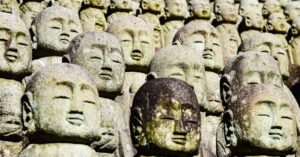
If “I can’t make hatsubon for my father from far away, but I want to send something special” describes the situation, daisan delivers the 88 temples’ prayer in nōkyōchō form — that becomes a real option.

FAQ on Niibon and Hatsubon
- What’s the difference between niibon and hatsubon?
- If the 49th-day isn’t complete, what happens to hatsubon?
- How wide should I cast the invite list?
- What’s the standard offering amount for the priest?
- If I can’t make hatsubon from far away, how do I avoid being rude?
For the First Hatsubon, Give the Feeling for the Deceased a Tangible Form
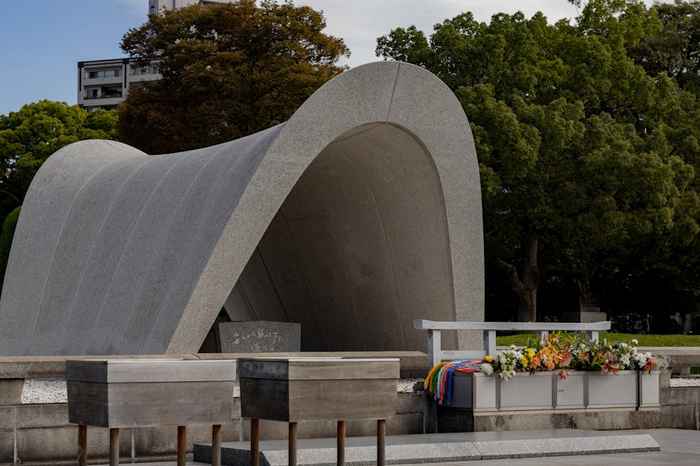
The first hatsubon is a turning point for the family — the first Obon since saying goodbye. Worry about prep is normal; what matters more is the feeling, not the form.
The physical prep — white lantern, shōryō-dana, the service — works fine if you start one to two months out. Don’t aim for perfect. Doing what you can, with intent, is what holds.
- Niibon and hatsubon mean the same thing — just naming differs by region
- Whether it’s “this year or next” depends on the 49th-day timing (ask the bodaiji if unclear)
- White lantern, shōryō-dana, and priest booking start 1–2 months ahead
- Family-only hatsubon is also a fully valid form of memorial
- If distance keeps you away, options like daisan deliver the prayer
The first hatsubon is a first experience for both the deceased and the family. Less perfection-chasing, more time spent welcoming with intent — that’s what holds.
If you find yourself thinking “I can’t make hatsubon, but I want to send something special to the deceased” — Ohenro Gift Bin, walking the 88 to deliver prayer, is one option to consider.
A real nōkyōchō and a record of the pilgrimage land as a special hatsubon memorial. Place it on the family altar or shōryō-dana, and the whole family can share the time with the deceased.
If you’re considering daisan, the move is to talk through prayer content and timing with a provider first. Confirm pricing, the process, and what they cover, then move forward only when you’re convinced.
For broader provider-selection guidance, the complete ohenro daisan guide walks through the criteria.
For pricing, the mechanics, or how to time it for hatsubon — anything worth asking, please reach out via the plan and LINE consultation page. Even just a question is fine.
“What do I actually need for the first hatsubon?” “What can I do if I’m too far away?” — specific questions get straight, honest answers, one at a time. Moving forward only when you’re convinced is what we want too.
The first hatsubon marks the start of the family’s new relationship with the deceased. Even imperfect, the time of giving the feeling a form is worth protecting.
▼Related reads
- Obon Memorial Through Ohenro Daisan: Sending Prayer From Shikoku to Your Ancestors
- Tsuizen-Kuyō from the Ground Up: Buddhist Meaning and Modern Forms of Memorial Care
- The Complete Ohenro Daisan Guide: Pricing, Process, and How to Choose a Trusted Provider
![[Ohenro]Shikoku Pilgrimage Proxy Service: Costs and How to Choose a Trusted Provider](https://ohenro-gift.com/en/giftohenro369/wp-content/uploads/2026/03/agency_thumb-300x200.jpg)