Tsuizen-Kuyō Through an Ohenro Daisan: A Thousand-Year Memorial for Those You’ve Lost
You’re reading this because someone you love is gone, and you’ve been searching for a way to keep doing something for them. That search brought you to the word tsuizen-kuyō — memorial offerings for the deceased.
In Buddhist thought, the living can perform good acts on behalf of the dead, and the merit of those acts is transferred to them. It’s a quiet, generous idea.
Chanting sutras. Copying scripture by hand. Visiting the grave week after week. Each of these is a valid form of tsuizen.
Less well known — even in Japan — is the option of walking the 88 temples of Shikoku on someone’s behalf, a pilgrimage tradition that’s over a thousand years old.
- What tsuizen-kuyō really means, and the shapes it takes in modern Japan
- Why an ohenro daisan counts as tsuizen — the history behind it
- What actually comes home with you: nokyōchō, goshuin, and byakue
- When families choose daisan: 49th day, first anniversary, third anniversary — and why timing is flexible year-round
What Tsuizen-Kuyō Actually Means: Buddhist Memorial Offerings, Explained
Let me start by unpacking the phrase tsuizen-kuyō, because the words sound heavy but the idea underneath is warm.
The living do a good thing — chant, copy, walk, pray — on behalf of someone who has died. The merit of that act is then turned toward the deceased.
That act of “doing good in someone else’s name” is the beating heart of tsuizen-kuyō.
“Turning Merit Toward the Dead” — The Core Idea of Tsuizen
In Buddhism, merit earned by one person doesn’t have to stay with that person. It can be offered — dedicated — to another.
This act of redirecting merit is called ekō (回向).
Tsuizen-kuyō sits on top of ekō. It’s the same engine, applied specifically to someone who’s gone.
Chanting sutras, copying scripture, pouring water over the family grave, walking a pilgrimage — these have all been recognized as acts that generate merit for centuries.
What one person accumulates, another can receive. That’s the grammar of it.
Seen that way, tsuizen-kuyō is surprisingly active. It’s not just sitting with grief — it’s the idea that you can do something here and now for someone who isn’t here anymore.
The Many Shapes Tsuizen Takes in Modern Japan
So what does tsuizen actually look like in daily life today?
Here are the most common forms families choose.
- Memorial services and sutra chanting at the family temple (bodaiji)
- Copying sutras or drawing Buddha images by hand (shakyō, shabutsu)
- Visiting the grave and offering at the home altar (butsudan)
- Perpetual memorial services and tōba wooden offerings
- Pilgrimages and proxy pilgrimage — daisan
What these share is straightforward: the mourner invests time and care, specifically for the person they’ve lost.
The trouble is, mourners don’t always have that time or energy to spare.
Work, kids, aging parents — life piles up. Finding room beyond the scheduled memorial services is honestly hard.
For a deeper look at how families choose daisan around the 49th-day and first-anniversary memorials, I’ve written a separate piece.
Ohenro Memorial: Walking Shikoku for Someone You’ve Lost picks up where this one leaves off.
Why Ohenro Daisan Works as Tsuizen: The Power of a Thousand-Year Pilgrimage
Among the many forms of tsuizen, proxy pilgrimage around the 88 temples of Shikoku sits in a category of its own.
It isn’t just “someone else visits a temple for you.” It carries a thousand years of pilgrimage weight behind it.
Here’s how the history and the ritual fit together to make daisan a real form of tsuizen.
Walking With Kōbō Daishi: The 88 Temples and Their Memorial Meaning
Ohenro is walked with Kōbō Daishi (Kūkai), the founder of the pilgrimage, always beside you.
On the pilgrim’s white robe — the byakue — and on the wooden staff, you’ll see the phrase dōgyō ninin (同行二人) written in ink.
It translates to something like: “You are never walking alone. Kōbō Daishi is always with you.”
Every step of the pilgrim’s road is considered a walk for two.
That framing matters for daisan too. Each step the proxy pilgrim takes isn’t a solo act.
Kōbō Daishi walks alongside. The proxy chants sutras and prays at each temple, and that prayer is stored up in the name of the deceased.
- The dōgyō ninin tradition — walking with Kōbō Daishi — has held for over a thousand years
- Shikoku’s sacred sites have received prayers for healing and ancestor memorial for centuries
- Chanting and offering at each temple (dokukyō, nōkyō) is a codified way of generating merit
Chant. Leave an offering slip. Receive the temple’s seal. That cycle, repeated 88 times, is what makes a Shikoku pilgrimage an act of ekō directed toward the dead.
How Daisan Lets a Grieving Family Send Prayers on Their Behalf
Daisan means someone walks a road on your behalf that you — or your family member — would ordinarily walk yourself.
It’s an old tradition. By the Edo period, daisan-kō (proxy pilgrim associations) had spread across rural Japan.
Villagers pooled their money, sent a chosen representative to Ise, Mt. Kōya, or Shikoku, and that person brought the prayer home for everyone left behind. It was a way entire communities participated in pilgrimage.
Today’s proxy pilgrimage services inherit that lineage directly.
Daisan is this: someone walks the road seriously on behalf of a family that can’t, and prays at each temple with the deceased held in mind.
In the language of tsuizen, that’s merit being generated by one person and dedicated to another — ekō, exactly as the tradition describes.
I’ve written a fuller piece on what daisan means and why it’s never been considered disrespectful.
Ohenro Daisan: What It Is, How It’s Different From Agency Services, and the Merit Behind It goes deeper if you want more context.
What Actually Comes Home: The Tangible Keepsakes of a Daisan Memorial
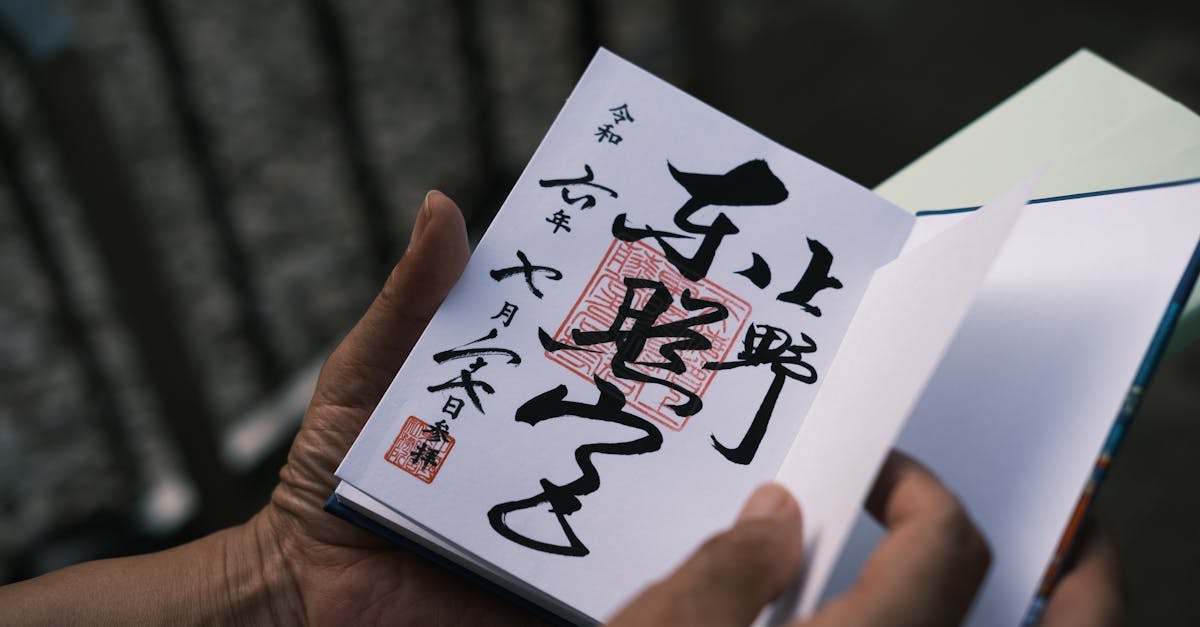
Choose daisan as your form of tsuizen and something physical comes home to your family.
That’s the part that sets daisan apart from most other forms of memorial offering.
Sutra chanting and scripture-copying live entirely in the act itself. Daisan has a second layer: the act plus its proof — and the proof stays in your home.
Nokyōchō, Goshuin, and Byakue — What You Receive
When you commission a daisan, three things typically come back to your family.
- Nokyōchō: a single book that collects the ink calligraphy and red seals from each temple
- Goshuin: the red temple seals, stamped at both the main hall and the Daishi hall
- Byakue: the white pilgrim’s robe, with dōgyō ninin written on the back
A nokyōchō is issued by each temple’s priest as proof that the proxy pilgrim chanted at both the main hall and the Daishi hall and offered prayer.
It isn’t a “stamp-rally notebook.” It’s a vessel for the prayers the pilgrim left at each temple.
That book sits on the family altar or at a quiet spot in the home, and the act of tsuizen keeps its shape there, for years.
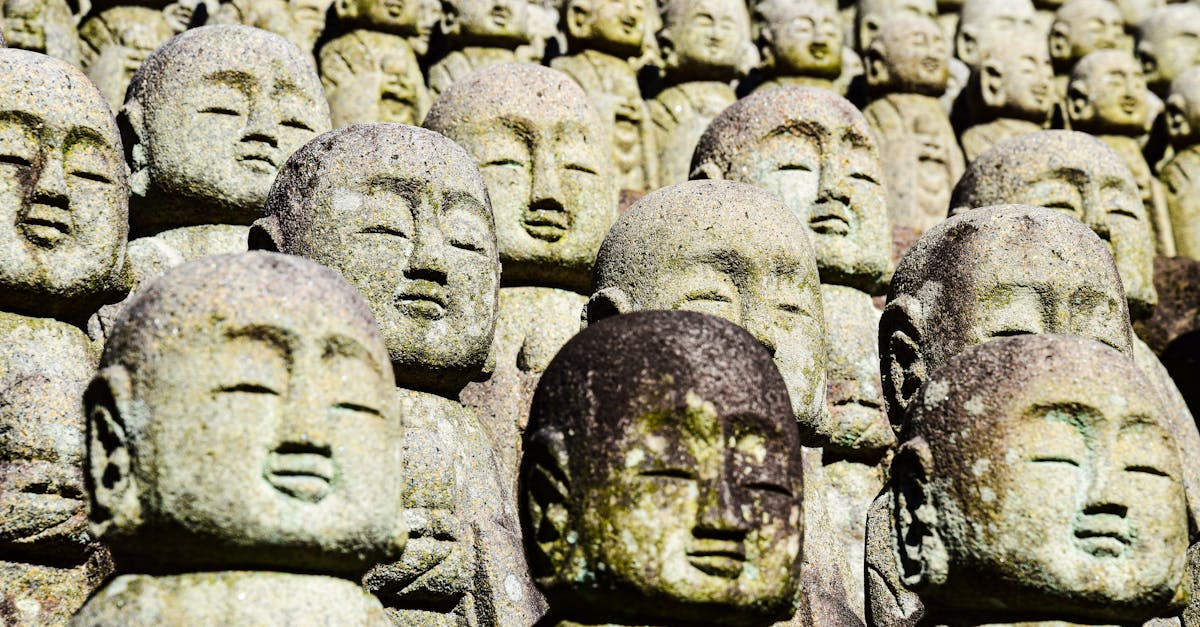
The byakue — the white robe — is what an ohenro wears on the road.
For a daisan, the robe can carry the name of the deceased, their Buddhist name (kaimyō) or Dharma name (hōmyō), and the proxy pilgrim wears it as they walk.
When the pilgrimage is done, the robe returns home, treated like a kind of talisman.
Many families place it beside a portrait of the deceased or on the home altar, where it stays as a physical reminder of the walk that was done in their name.
Carrying a Kaimyō to the Temples: Praying for Someone Specific
Here’s the question that comes up most often when families first inquire about daisan as tsuizen.
At each temple’s main hall and Daishi hall, the proxy pilgrim chants and silently names the deceased in the prayer.
It could be a photograph, a single character from a Buddhist name, or a phrase the person lived by.
What you choose to send along is entirely up to your family.
At Ohenro Gift-Bin, we start with a conversation — about who they were, what you’d want held in prayer — so we can shape the prayer to the person, not the other way around.
When Families Commission a Daisan: 49th Day, First Anniversary, and Beyond
Tsuizen-kuyō has rhythms.
The 49th day, the first anniversary, the third, the seventh — each is a meaningful moment in Buddhist tradition, a time when the family turns quietly toward the person who’s gone.
Most families choose one of these anchors when they commission a daisan.
Why Families Time Daisan to the 49th Day, First and Third Anniversaries
The 49th day is considered the point at which the deceased moves toward the next life.
Buddhism teaches that the 49 days after death are a time of passage — and that merit generated by the family during this period carries special weight for the deceased’s journey.
A lot of families, in my experience, time daisan right to that window.
- 49th Day: dedicating merit at the passage into the next life
- First Anniversary: adding something lasting to the one-year memorial
- Third / Seventh Anniversary: pairing the scheduled service with a keepsake tsuizen
- Monthly or Yearly Death Day (shōtsukimeinichi): marking each year with a new pilgrimage
Anchoring daisan to a known memorial also helps the mourner’s own process.
The scheduled service provides the “moment”; the nokyōchō provides the “form” — and the combination marks the time with more depth, in the words of families I’ve worked with.
If you’re worried whether daisan is “proper” or fits Buddhist tradition, this next piece should help.
Is Daisan Disrespectful? Kōbō Daishi and a Thousand Years of Shared Pilgrimage lays out the case that proxy pilgrimage has always been an accepted tradition.
Commission Anytime: Why Daisan Isn’t Bound to a Date
On the other side, plenty of families feel they’ve “missed” the window.
Nothing got organized around the 49th day. The first anniversary came and went. Life was too full.
If that’s you, take a breath: daisan isn’t tied to a specific date.
Whether you anchor to a memorial date or commission whenever you’re ready, both count fully as tsuizen-kuyō.
Spring, summer, autumn, winter — Shikoku looks different in each season, and so does the pilgrimage.
Some families time the walk to the season their loved one loved best. That’s a quiet, beautiful way to choose too.
Frequently Asked Questions About Daisan as Tsuizen-Kuyō
- Does my Buddhist sect matter when commissioning a daisan for tsuizen?
- Can I commission a daisan if a kaimyō hasn’t been bestowed yet?
- Do I need to check with my family temple before commissioning a daisan?
- Can one daisan cover multiple people we’ve lost?
- Can I really feel connected to the tsuizen if I live far away and can’t join the pilgrimage?
Sending Tsuizen From Shikoku: How to Turn Memory Into a Pilgrimage
Here’s what I hope comes through from this piece on tsuizen-kuyō through an ohenro daisan.
Really, it boils down to a few simple things.
- Tsuizen-kuyō is “the living accumulating merit on behalf of the deceased, and dedicating it to them”
- Ohenro daisan is a legitimate, thousand-year-old pilgrimage form that has long served as tsuizen
- Daisan delivers physical keepsakes — nokyōchō, goshuin, byakue — back to your family
- Carrying a kaimyō or hōmyō to the temples is entirely up to you; we adapt to your wishes
- 49th-day, first-anniversary, and later memorials are common anchors — but daisan can be commissioned anytime
“There’s nothing more I can do for them.” That quiet ache sits with many grieving families.
Daisan is a way to translate that feeling into one step after another on the roads of Shikoku, carried in the name of the person you’ve lost.
Plan details, timing, cost, Buddhist questions, how to send your feelings along — anything at all, we’re happy to talk.
You don’t have to book right away. Starting with a conversation is completely fine.
Think of it as a time to figure out, together, what form of tsuizen would actually fit the person you’re remembering.
» See plan details and pricing
If you’d like the bigger picture of the proxy ohenro service, the overview page has it laid out in full.
Ohenro Agency Service: Delivering an Authentic 88-Temple Pilgrimage Experience covers how the service works end to end.
▼ You might also like
- Ohenro Memorial: Walking Shikoku for Someone You’ve Lost
- Ohenro Daisan: What It Is, How It’s Different From Agency Services, and the Merit Behind It
![[Ohenro]Shikoku Pilgrimage Proxy Service: Costs and How to Choose a Trusted Provider](https://ohenro-gift.com/en/giftohenro369/wp-content/uploads/2026/03/agency_thumb-300x200.jpg)