
Beyond Flowers and Sweets: How to Pick a Get-Well Gift That Actually Leaves a Mark
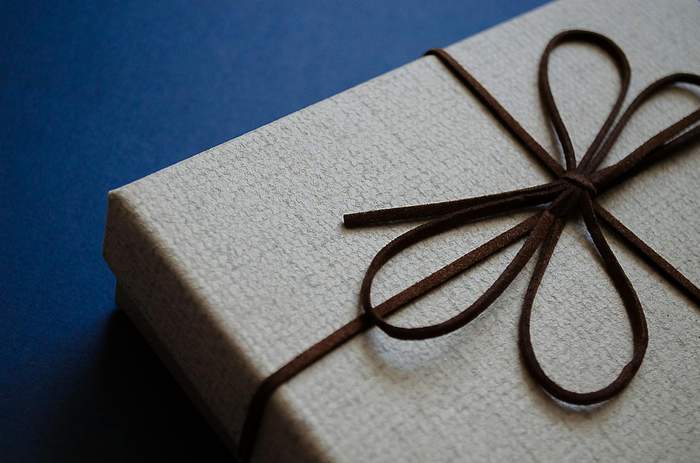
You’re standing at the gift shop.
A bouquet in your hand, maybe a box of sweets in the other, and somewhere in your chest there’s this quiet “is this really enough?” — have you been there?
The care behind it is real. You mean it.
But when the thing you’re holding is the same thing anyone could grab in five minutes, the weight of what you feel doesn’t quite make it across.
This one’s for the people who want to send something more — something unusual, something with a reason behind it — for a person who actually matters to them.
- Why the standard get-well gifts leave you feeling like “something’s missing”
- How to pick an unusual gift that actually fits their situation
- Concrete options that stay with them — as a form, or as a memory
- The quieter choice of delivering prayer as a gift, and what that even means

When “Just Another Bouquet” Doesn’t Feel Like Enough: Why Standard Get-Well Gifts Can Fall Flat
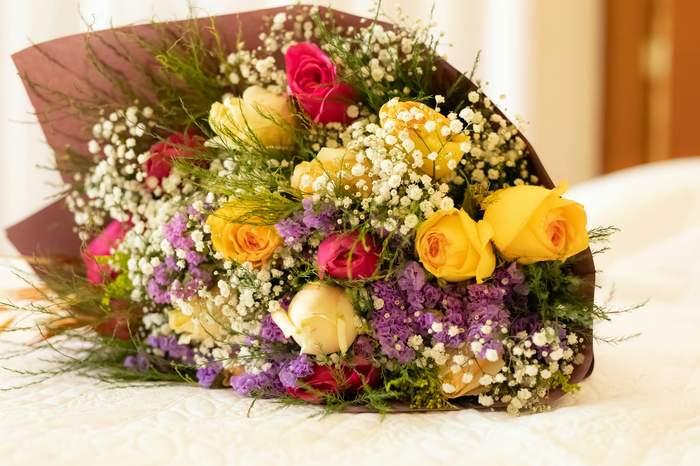
Flowers and sweets. The two classic get-well moves.
And there’s a reason they’re classic — they rarely miss, and the recipient doesn’t have to work to accept them.
But for someone who actually matters to you, there’s often a “is that really it?” feeling that hangs around after you’ve picked one up.
Let me unpack where that feeling’s coming from.
Why “Safe” Gifts Can End Up as “Forgettable” Gifts
Safe gift s have theirs have their strengths.
They fit almost anyone, and the person receiving them doesn’t have to overthink it either. For something as delicate as a hospital visit, that ease actually matters.
But safe also has its blind spots.
- Odds are, someone else already sent something similar that week
- Hospital rooms are small — stacks of bouquets start to crowd the place
- If they’re on a restricted diet, the sweets just sit there
- At discharge, “how do I get all this home” becomes a real problem
- “Safe” is also another word for easy to forget later
None of this means standard gifts are bad.
It’s just that when you want to deliver “I picked this specifically for you”, the usual stuff sometimes doesn’t carry enough weight on its own.
What You’re Really Looking For When You Say “I Want Something Meaningful”
When people search for something “unusual,” they aren’t actually chasing “weird”.
They’re chasing “meaningful”.
A gift you can actually explain — here’s why I picked it, here’s the thought behind it. That’s what most people are really after.
So “hunting for something unusual” is really a different question in disguise: “How do I put what I feel about this person into a form they can hold?”
Rather than just sending flowers, picking a flower that ties back to a memory you share. And writing that down.
Rather than just handing over sweets, picking something unsweetened and clean that someone in recovery can actually eat — and attaching a handwritten note.
That “I picked this for this reason” layer is where the real “unusual” lives, in my experience.
Once you see it that way, gift-hunting stops being a style exercise and starts being a translation exercise.
Before You Pick a Get-Well Gift: Their Situation and the Timing Both Matter
Before you chase “unusual” or “meaningful,” there’s a layer underneath that a lot of people skip.
That layer is actually understanding what they’re going through right now.
Because even a beautifully-chosen gift lands softer if it doesn’t fit the reality they’re in.
Length of Stay, Your Relationship, Their Taste — What Actually Shapes the Right Pick
The “best” gift shifts a lot depending on context.
Three quick things to check first.
- How long they’ll be in: a short stay vs. a longer recovery
- Your relationship: immediate family, distant relative, friend, coworker
- Their taste and limits: dietary restrictions, allergies, things they dislike
Short stays lean toward light “mood-lifter” gifts — something small that brightens a morning.
Longer recoveries shift the sweet spot toward things they can actually spend time with.
Books, letters, recorded voice messages from family. Gifts with some chew to them tend to land better when days in the hospital are long and quiet.
Relationship changes the register too.
Coworkers want something tasteful and restrained. Close family and longtime friends want something personal — a gift that’s clearly shaped by a shared history.
Hospital Room Realities and the Actual Right Moment to Deliver It
Two things that get skipped more than they should: the physical limits of hospital rooms and the actual timing of delivery.
More hospitals now restrict fresh flowers.
And the room is usually smaller than people imagine walking in.
- Some hospitals ban fresh flowers outright (infection control)
- In shared rooms, anything that makes noise has to be considered for the other patients
- Strong scents — perfumes, incense — travel across the whole room
- Bulky gifts become a problem when it’s time to pack everything home
- Depending on treatment, food deliveries can be blocked entirely
Timing matters more than people assume.
The first days of admission are chaos for the patient and the family both — a flood of visitors can be a burden, not a relief.
Whereas a week or two in, the patient often has a little more headspace, and a thoughtful gift lands closer to the heart.
If you’re unsure, ask a family member whether now’s a good window to drop something off.
The act of checking first is, honestly, already a form of care. That part doesn’t get talked about enough.
Unusual Get-Well Gifts That Actually Get Received Well: Sorting the Options
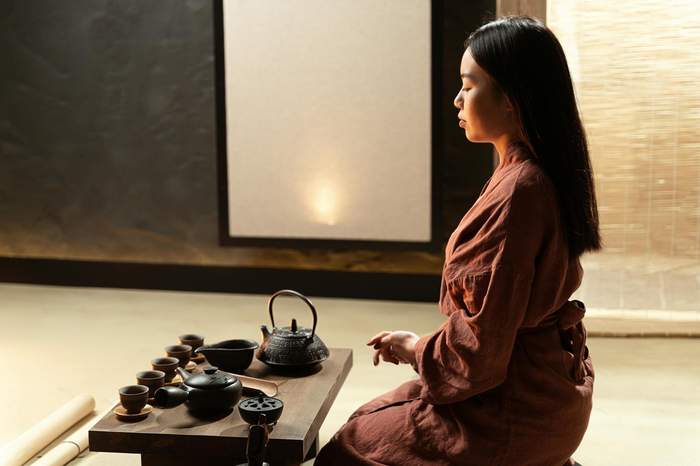
With the ground rules in place, here are the actual options.
“Unusual and appreciated” get-well gifts tend to fall into four directions, in my experience.
Experience Gifts, Keepsakes, and the Paths Beyond the Usual
Let me break them down by type.
- Experience-based: tickets or vouchers they’ll use after discharge — a spa, a dinner, a trip
- Purpose-built practical: items specifically chosen to make hospital life better
- Memory-based: letters, albums, recorded voice messages — things that stay as a form
- Prayer-based: gifts that carry your wish for their recovery in a tangible form
Here’s where each one tends to shine.
Experience gifts work like a soft reservation against the future.
“When you’re better, let’s go together” becomes a quiet thing to look forward to, and for someone in recovery, having something waiting on the other side can genuinely matter.
Purpose-built practical isn’t your generic “useful gift” category.
I’m talking about, say, buttery-soft pajamas made for sensitive skin, or a premium lip care set that solves the brutal dryness hospital rooms cause.
The sweet spot is the kind of thing they’d never spring for themselves, but are quietly thrilled to receive.
Memory-based gifts stay in a different way.
A bound album of handwritten letters from the whole family. A voice message from a grandchild saved to a small player by the bedside.
In those long, quiet stretches in a hospital room — when you can reopen or replay the thing — that’s where it starts beating most physical gifts.
Which brings us to the fourth one — prayer-based.
This is the one that’s deeply Japanese, the one most people don’t know is even an option.
Which is exactly what the next section is about.

Gifts That Stay as a Form: Delivering Prayer as the Meaningful Choice
When someone’s done chasing stuff and what they actually want is to send something that goes beyond a physical object, a lot of people land on the same word in the end: prayer.
Japan’s carried a long tradition of praying for someone from afar.
And there’s a way to make that prayer into something you can actually see and hold.
Giving Prayer Instead of a Thing: Daisan as the Unusual Gift Option
There’s a Japanese custom called daisan (代参) — proxy pilgrimage.
Daisan is praying at temples on someone else’s behalf when they can’t go themselves.
It goes back to the Heian period, and by the Edo era there was a whole system of daisan kō (proxy pilgrimage groups). Praying in someone else’s name isn’t some modern invention — it’s been woven into Japanese life for roughly a thousand years.
The best-known form of it is the proxy pilgrimage around Shikoku’s 88 temples.
- The pilgrimage route was opened by Kōbō Daishi (Kūkai) around 1,200 years ago, and it’s walked in person — not skipped
- The walker goes in the spirit of dōgyō ninin (“walking with two” — Kōbō Daishi walks beside them) and delivers the prayer as one
- What comes back is the nokyocho — a book that holds the record of every temple the walker prayed at on your behalf
Giving a nokyocho as a get-well gift.
That’s not something most people have even encountered as an option.
For someone in the middle of treatment, “someone physically walked and prayed for me” can land somewhere nothing off a shelf will reach.
You’re taking something invisible — prayer — and returning it as something they can hold.
That, to me, is what makes daisan work as a get-well gift.
To be clear, daisan is one option among several.
Experience gifts, purpose-built practical gifts, memory-based gifts — they’re all real, valid paths for a meaningful get-well gift.
But if you’re the kind of person specifically looking for “a way to give prayer itself”, this one tends to fit very cleanly.
If you want more on the flow for a hospitalized family member specifically, I wrote about it in more detail over at Proxy pilgrimage for a hospitalized family member.


FAQ: Unusual and Meaningful Get-Well Gifts
- I’m worried an “unusual” gift will make them feel like they owe me something. How do I avoid that?
- For someone facing a long recovery, are there gifts they can return to more than once?
- Are there get-well gifts that hospitals just won’t allow?
- Can daisan work as a get-well gift if the recipient isn’t religious?
- When’s the actually-right moment to deliver a get-well gift?
Go Beyond the Usual, and Cheer On Someone’s Recovery With Something That Actually Stays
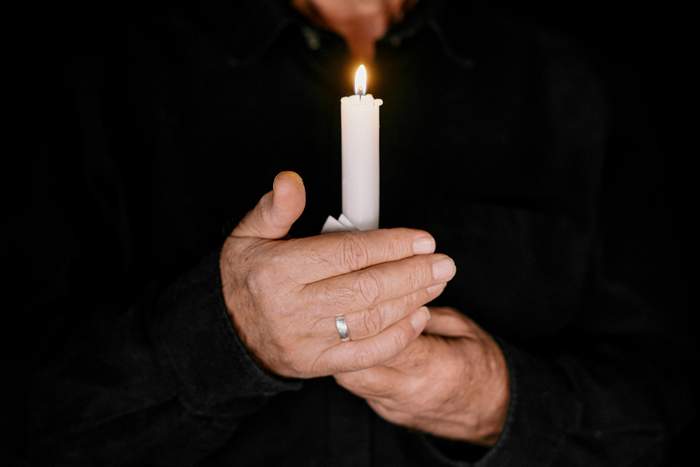
That’s the walkthrough — how to pick an unusual, meaningful get-well gift.
The actual line isn’t between “normal” and “unusual”. It’s between “doesn’t mean much” and “means something specific”.
Once you hold that distinction in your head, a lot of the gift-hunting anxiety drops off.
- Standard get-well gifts have their place, but they can also be easy to forget later
- “Meaningful” is the real target — “unusual” is just the side effect
- Start with their situation, your relationship, and the room they’re actually in
- Four paths to widen your options: experience, purpose-built practical, memory, prayer
- A daisan pilgrimage is Japan’s way of handing someone a prayer they can hold
If any of this landed — especially the “I want to give prayer, but in a form they can hold” piece — you’re welcome to reach out to us at Ohenro Gift.
We take what your family carries and walk it through Shikoku’s 88 temples in person, so the prayer actually reaches them. The nokyocho that comes back stays in their hands long after they’re out of the hospital.
You can just start by telling us the situation.
- “I want to see whether this works as an alternative to a normal get-well gift”
- “I want to understand the flow and how long it takes”
- “I haven’t decided anything — I just want to talk it through”
Any of those are completely fine. No pressure from our side. Just a quiet conversation.
Everyone who cares about someone in recovery is running on the same hope at the core.
If you can shape that hope into the version only you could have shaped, it tends to stay with them for a long time.
One step beyond the usual, and the time you share with them starts to sit a little deeper in memory.
![[Ohenro]Shikoku Pilgrimage Proxy Service: Costs and How to Choose a Trusted Provider](https://ohenro-gift.com/en/giftohenro369/wp-content/uploads/2026/03/agency_thumb-300x200.jpg)